
Shredding in the land of the rising sun, simplified
You’ve heard the rumors and you’ve heard the tales. Somewhere out there, across the great Pacific, a mystical skier’s paradise awaits your discovery. For the price of a plane ticket, the dream can come true: You, too, can become an initiate into the secrets of Japow.
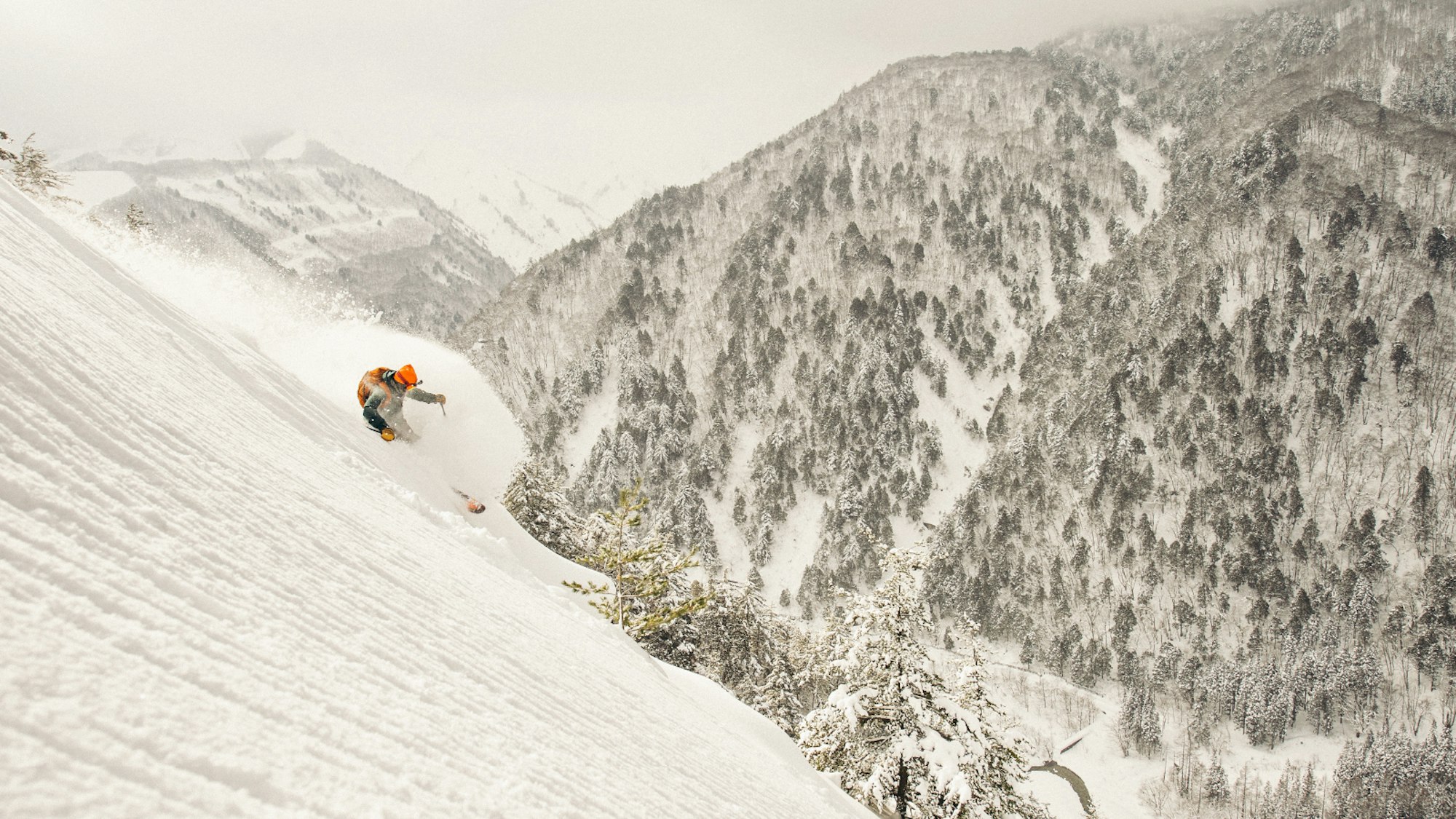
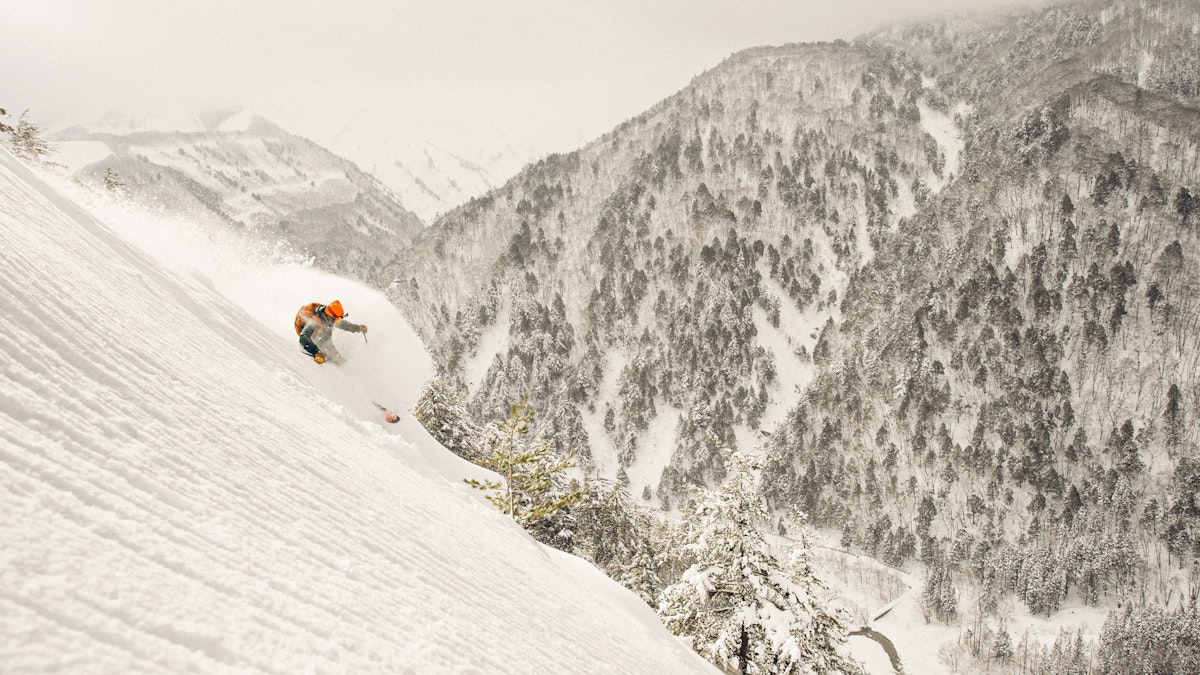
But as a stranger in a strange land, you’ll need to learn something of the local customs, and above all, you’ll need a map to find the treasure. The word may be out that Japan has the goods, but the details remain fuzzy, and the journey remains a daunting one. So for all the would-be plunderers of Japanese powder, we followed Dakine athletes Sammy Carlson, Karl Fostvedt and Lucas Wachs nearly 6,000 miles around the globe in order to compile this quick ‘n’ dirty guide to doing Japan right.


As you start planning your trip, you can get used to hearing this question a lot because frankly, most people don’t know. It’s understandable; with so many other attention-grabbing highlights, there’s a lot to distract from the fact that Japan is essentially an alpine country. Even ski tourists in Japan often don’t understand the full scope of geography. So, here’s the three-step breakdown.
01 Japan Has Mountains.
A lot of them. Over 80 percent of the country is rugged terrain, a mix of folded mountain ranges and volcanic formations that are the sources of Japan’s storied onsen culture (more on that later). Over a dozen peaks top out at 10,000-plus-feet above sea level and though the elevations aren’t extreme by American standards, Japan’s mountains more than make up for their comparatively low profiles with complex, challenging terrain and a ridiculous amount snow at low elevations. Which brings us to point two.
02 Japan Gets Snow.
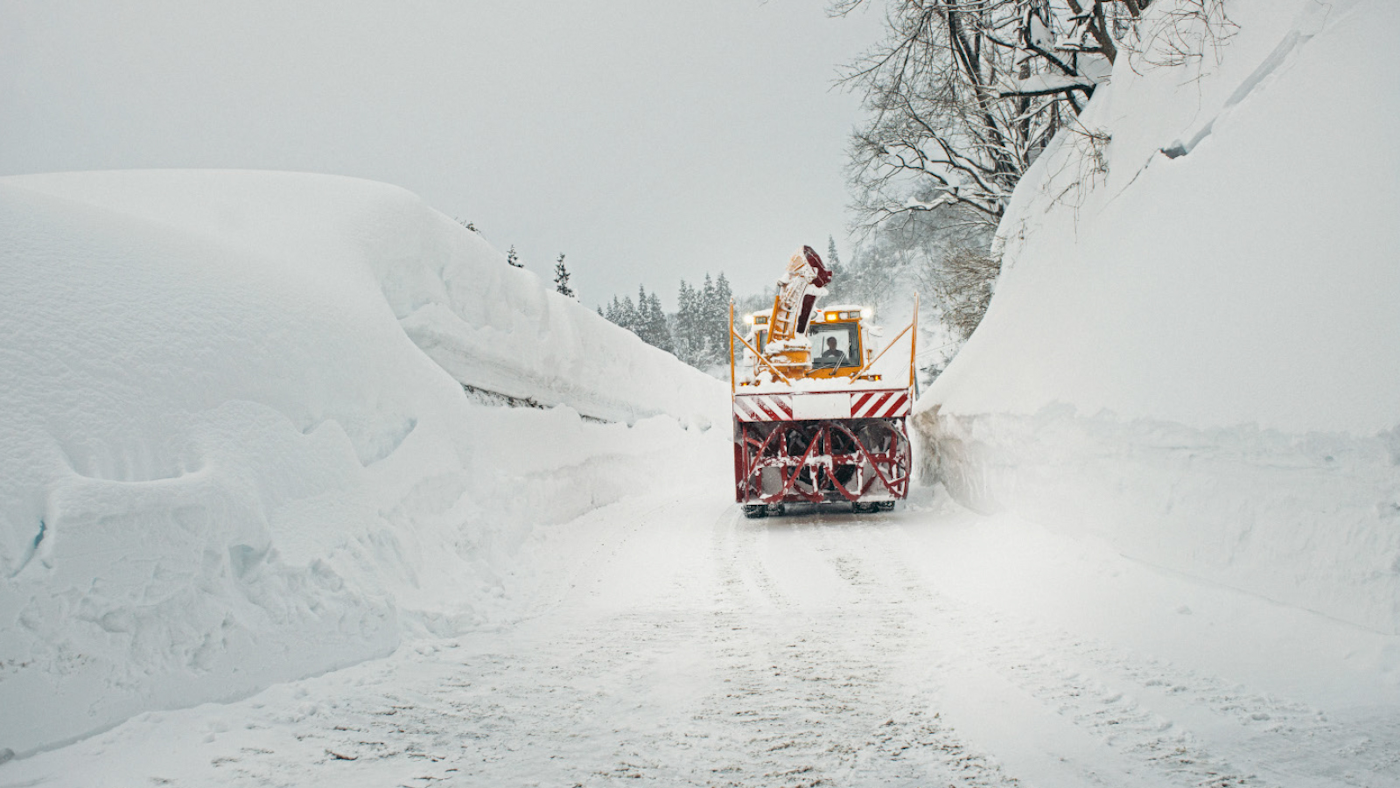
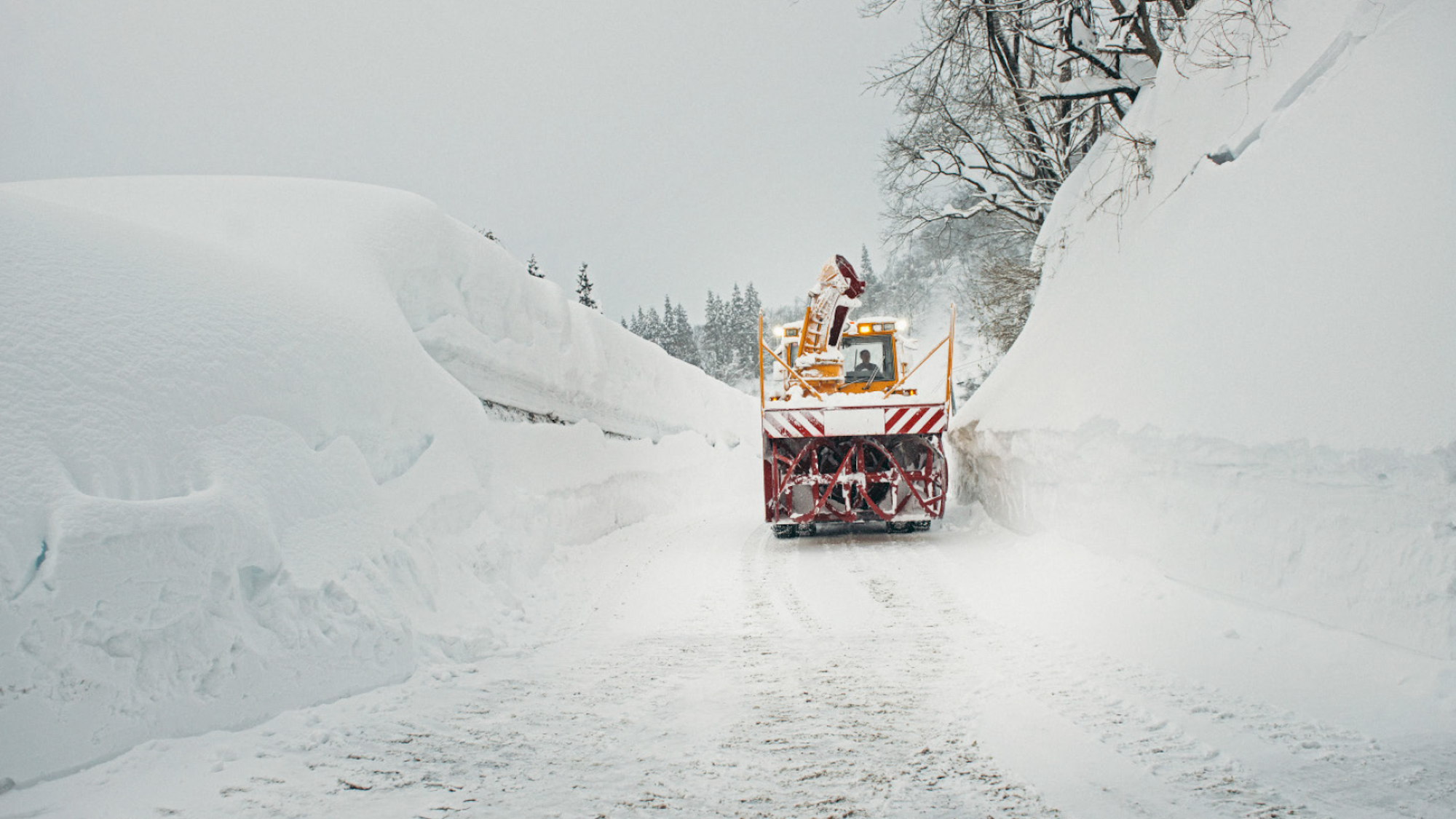
A lot of it. Over half of the country’s land mass is decked in white each winter, with depths reaching up to 30 feet in some mountain areas. The culprit for this freak output is Japan’s version of lake-effect snow: an extremely cold, dry wind that blows down from Siberia, picks up moisture over the Sea of Japan and deposits it as snow on the first land that it strikes—the western coastline of Japan. Storms are helpful but not absolutely necessary; as long as that cold northwestern wind is blowing, the snow will keep falling.
03 Japan Has Skiing.
A lot of it. With over 500 resorts scattered across all four of the main islands, few places in the country are farther than an hour or two away from a ski lift. Though the numbers aren’t exactly solid on this claim, it could well be that Japan has more ski resorts than the United States, putting it at number-one worldwide.
“The snow is light to begin with, but it snows so much in a short amount of time that it doesn’t have time to condense and settle,” says Wachs.


When To Go
As the insider’s term “Japanuary” suggests, the month of January has long been touted as the best time to ski Japan. Thanks to that cold Siberian conveyor belt, ski resorts across the country regularly record anywhere from 5 to 10 feet of snow accumulation during this month alone.
And then there’s the snowfall frequency. For example, in Niseko it has snowed an average of 24 days each January over the past five years. Down on the main island, resorts average a more “modest” 15 to 20 snowfall days.
The general point of all the numbers is that you’re likely to catch at least one, and possibly several, healthy dumps on any given week in January. And if you’re looking for the “perfect” time to go, consider this: In Niseko, it’s snowed on January 12 for each of the past five years.
The only downside to Japanuary is that the word is definitely out. This is the busiest time of the year, and the powder hounds are out in force. If you don’t like competing for the fresh, you might consider a trip in February or even March, when the frenzy dies down a bit. There’s still plenty of great snow to be had, though it doesn’t fall with the same regularity and it usually warms up faster. Keep in mind, “busy” is a relative term when it comes to Japan. ‘Cause you’ll be the one making the effort to get there this season while the other folks just keep dreaming, right?
How To Travel
“First off, right off the plane you’ve got to find a good sushi bar at the airport and get a sick roll,” advises Carlson. “You’re in Japan—better eat some sushi.”
Once that’s checked off the list, you’ll find a variety of options for getting around. A quick in-country flight will get you close to skiing—a common choice is to connect through Tokyo straight to Sapporo. If you want to ski Honshu, Japan’s high-speed train network, the Shinkansen, is capable of whisking you to your destination at speeds of up to 200 miles per hour. The 150-mile stretch from Tokyo to Nagano takes an hour and a half.
Public transportation in Japan can seem daunting, but the system is extremely well organized. Important signs are displayed in English and station personnel are very helpful to bewildered tourists. Ski resorts are connected to train stations by a mix of public and private bus companies. Do a bit of research online beforehand and you’ll be moving around Japan like a pro in no time.
A rental car is always a solid move for those looking to get around quickly and painlessly. If you’re picking up a vehicle in Tokyo, make absolutely-positively sure it’s got four-wheel drive. And then there’s the adventure option: A variety of companies on both Honshu and Hokkaido offer four-wheel drive, winterproof RV and van rentals for the parking-lot and skin-track crowd.
“If you have a rental car, you can drive around and shred the famed avalanche barriers—dream-like pillow skiing, for those who don’t know—right off the road,” says Carlson. “Find a local guide to show you the zones.”
Where To Go
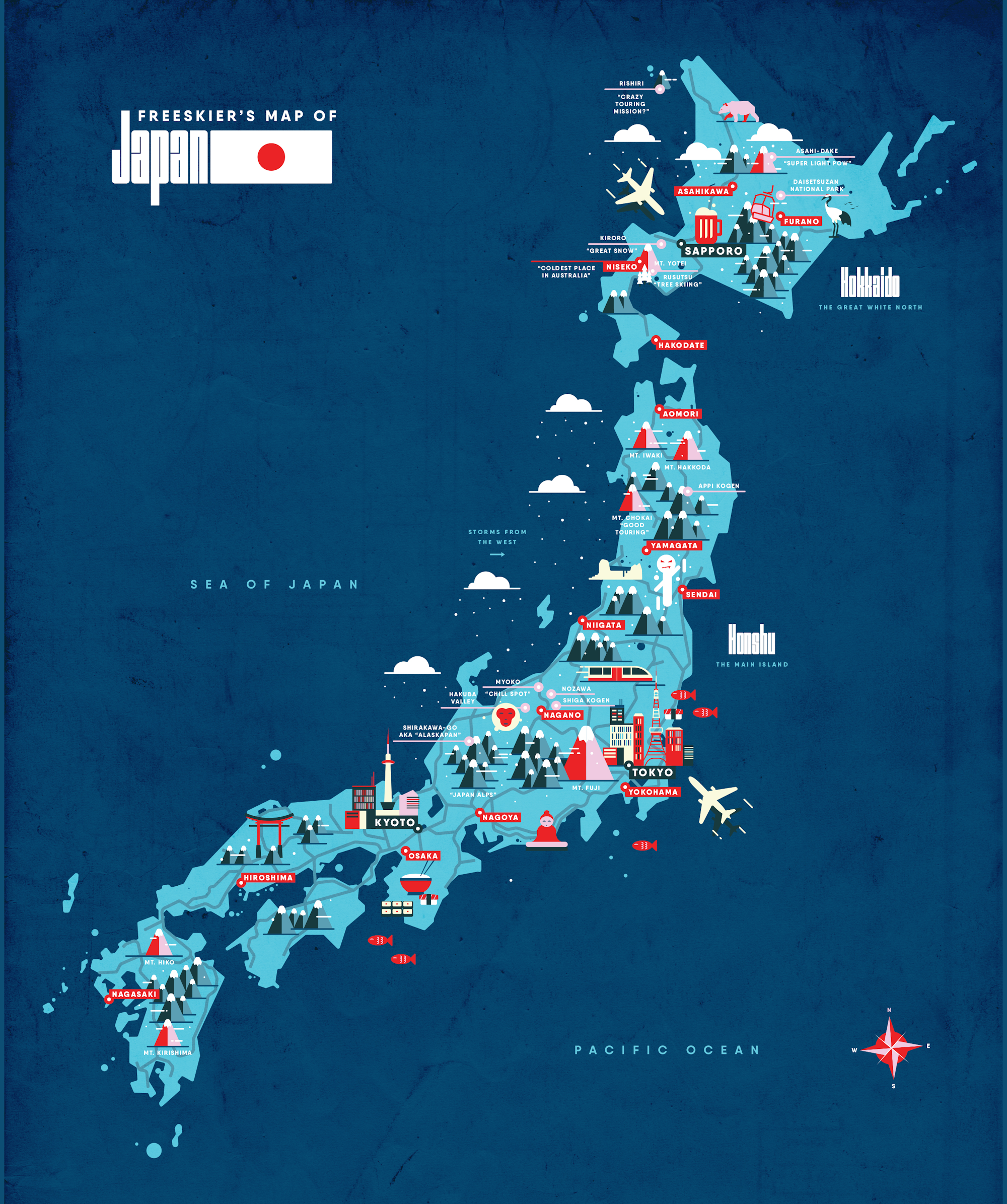
The Japanese ski scene is truly a world unto itself. With some internet research, a dose of luck and a dash of gumption, you can easily land yourself in a powder pocket somewhere that western skiers have never heard of before. But you’ll have to unearth those gems for yourself. For now, we’ll give you a quick breakdown on two established hot spots—the northern island of Hokkaido, and the Nagano region on the main island, Honshu—as well as a taste of what lies beyond.
Keep in mind, this is just the tip of the iceberg. Bag every resort in these two regions and you’ll still only have scratched the surface of what Japan has to offer.
Hokkaido
The snow-bound northern island of Hokkaido is home to some of Japan’s very best skiing. Many visiting skiers head straight here, and for good reason. From the internationally renowned resort region of Niseko to the vast volcanic wilderness of central Hokkaido, the island has something to offer for every skier type. You want to hang with the in crowd, ski some powder and party hard? Then Niseko is calling your name. You can always day-trip over to the neighboring resorts of Rusutsu or Kiroro for a bit of variety. Want to combine city life with skiing? You can stay right in the lively capital of Sapporo, catch public transportation to nearby resorts like Sapporo Teine and be back in town by nightfall, swilling the city’s eponymous beer in a bar in Susukino, the anything-goes entertainment district. Want to get off the beaten path? Head for central Hokkaido and the cold-smoke powder of Asahidake. Want to tour? Go exploring in Daisetzusan National Park, bag Mt. Yotei or Shiribetsu on a clear day, or embark on a crazy mission to the re- mote volcano island of Rishiri.
Hokkaido plays an outsize role in the Japanese ski scene and is rightly celebrated as one of the world’s premier skiing destinations. But in terms of skiing in Japan as a whole, it’s only one part of the story.
Nagano
One hundred and fifty miles northwest of Tokyo, the city and prefecture of Nagano are at the heart of the Japanese Alps, three towering mountain ranges that bisect Japan’s main island, Honshu. The most well-known ski destination here is the Hakuba Valley, featuring a European-style string of ten ski resorts splayed across the foothills of the Northern Alps. The skiing can get serious here, with sometimes-fickle snow conditions, terrain traps galore and massive terrain in general; this is no place for a casual dip out of bounds. Bring a guide and your wits, because you’ll need both.
Aside from Hakuba, the entire Nagano region abounds with fantastic, lesser-known ski destinations. To the north, just inside the neighboring prefecture of Niigata, the laid-back resort region of Myoko Kogen offers a healthy mix of tourist convenience and authentic culture, not to mention blower powder. To the northeast there’s Nozawa Onsen, an absolute cultural highlight with over a dozen public onsens; a raucous fire festival annually on January 15; and amazing sidecountry if you know where to look. And due east lurks Shiga Kogen, an extensive network of 19 interconnected ski resorts catering mostly to recreational skiers and featuring strict boundary policies that turn powder skiing into an exercise in ninja stealth.

Beyond The Hot Spots
Now, let’s get real: Describing Japanese skiing by only mentioning Hokkaido and Nagano is a bit like describing western U.S. skiing by only mentioning Washington and Colorado. What about everything in between? Beyond the areas mentioned above, the true scope of Japanese skiing extends in all directions.
To the north and east of Nagano, the neighboring prefectures of Niigata and Gunma both offer extensive ski terrain; Niigata in particular is known for healthy snowfall due to its location along the Sea of Japan coast. Farther north, the expanses of northeastern Honshu—six prefectures in a region collectively known as Tohoku—harbor their own skiing secrets, from solitary volcanic spurs like Mt. Chokai and Mt. Iwaki to the mountain-ringed city of Yamagata, home to the ski resort of Zao Onsen and its peculiar frozen trees known as “snow monsters.”
Skiers who choose to explore these parts will find out-of-the-way resorts mostly or completely devoid of foreigners, powder laps uninterrupted by the tracks of other snow-seekers and cultural encounters unadulterated by any tourist agency. If you prefer to take the road less traveled, you’ll feel right at home, here.
Get Cultured
“Make sure to get out and experience the culture,” says Carlson. And he’s right—if you’re only focused on the skiing, you’re missing half the fun. A side trip to see the temples of Kyoto, a few extra days spent exploring Tokyo or Sapporo, or a brave selection off the menu at dinnertime—there are many ways to sample the depths of Japanese culture during your trip. Here are just a few ideas.
The Food
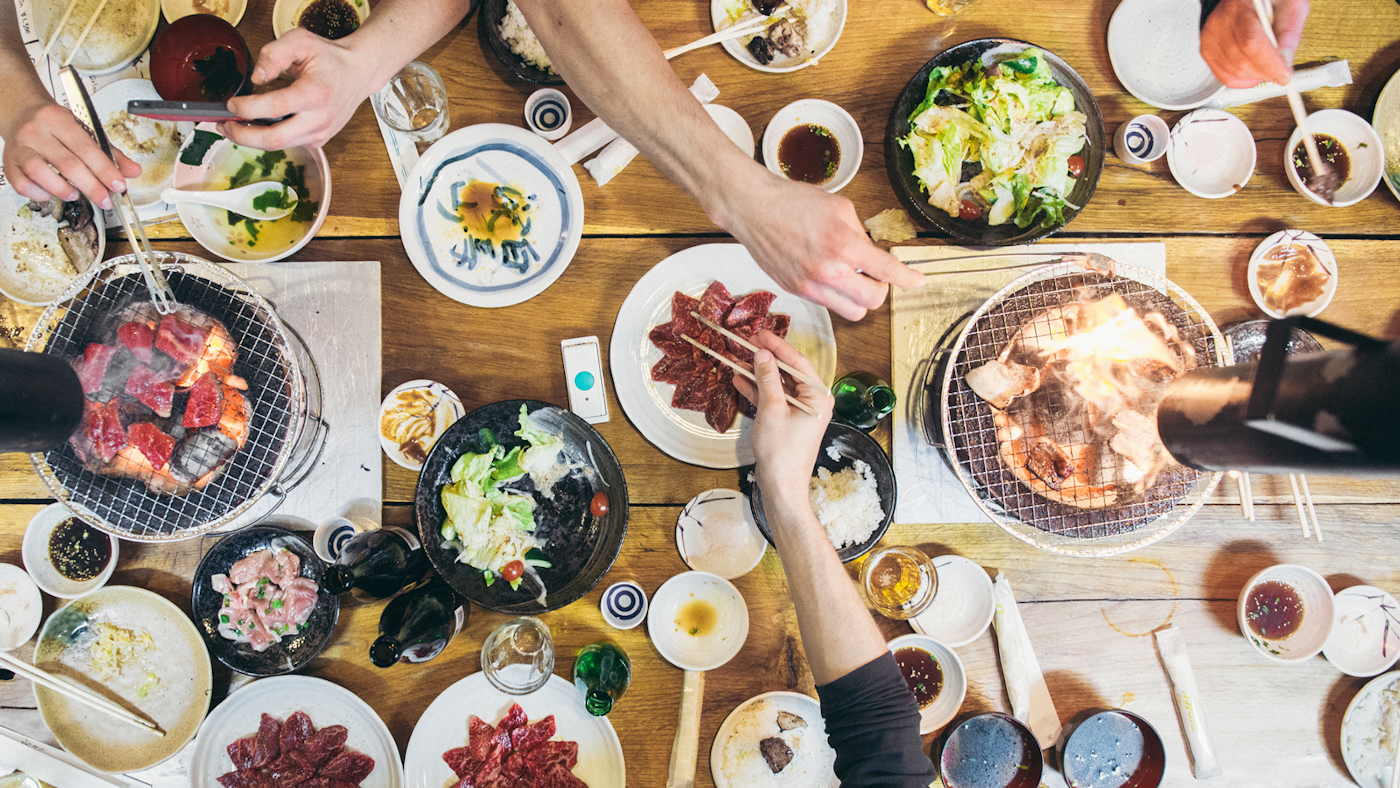
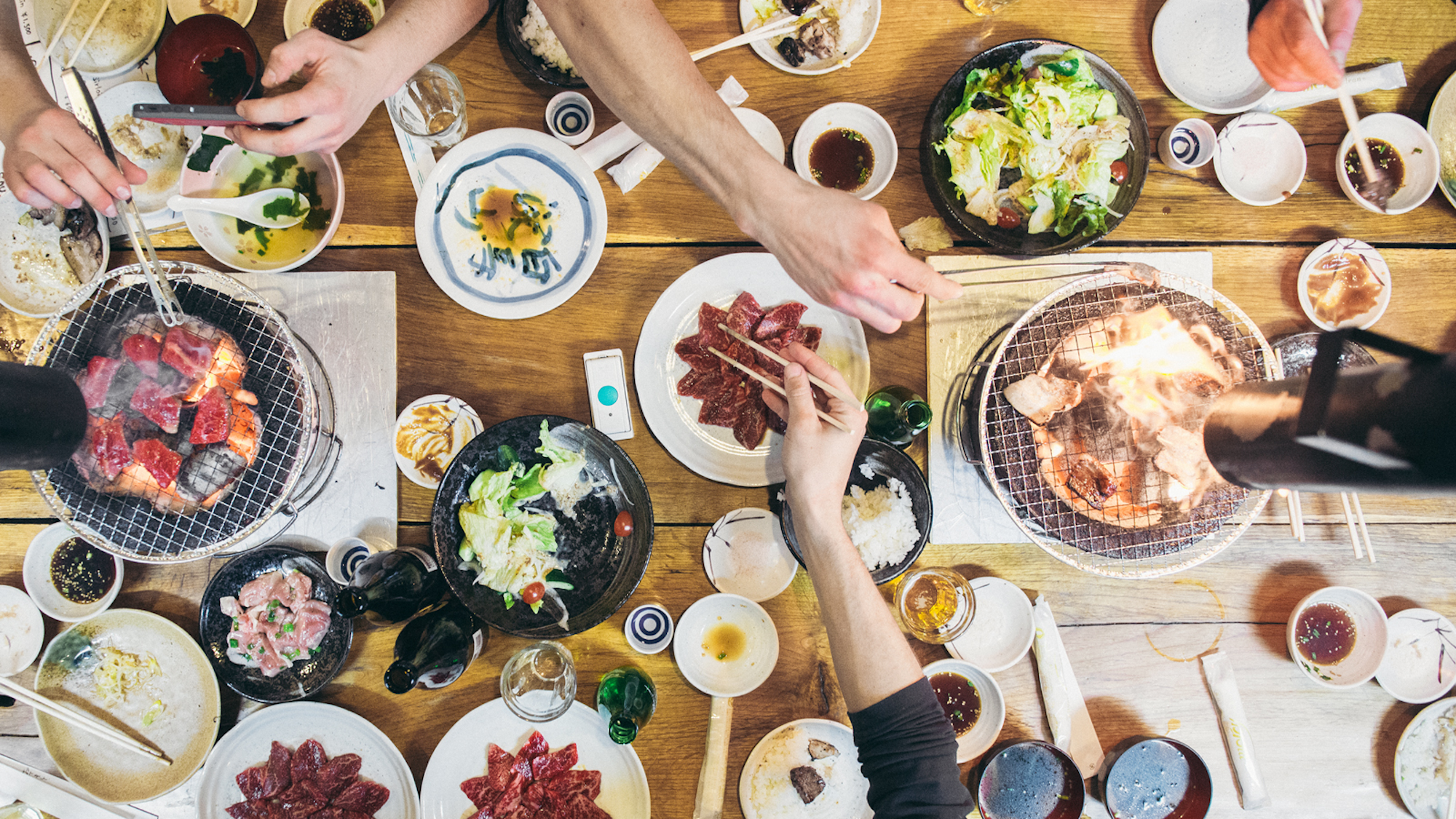
Foodies flock to Japan for the same reasons that skiers do: the quality, the consistency and the variety. Try the heaping bowls of noodle soup (ramen, udon or soba); sizzling Mongolian-influenced Genghis Khan grill; world-famous Kobe steak; and all the fresh seafood, cooked and raw, that you can handle. A proper plunge into Japanese cuisine is as satisfying as the deepest powder turn. Each region features its own specialties, so find out what they are and try them. Even the innumerable convenience stores offer a bewildering array of mostly delicious, and sometimes very weird, snack options.
“Japanese snacks are the best,” says Carlson. “Get the chocolate mushroom sticks.” Wachs prefers another convenience store classic. “Try all of the flavors of the rice triangles, except for the pickled plum,” he advises.
Hokkaido plays an outsize role in the Japanese ski scene and is rightly celebrated as one of the world’s premier skiing destinations. But in terms of skiing in Japan as a whole, it’s only one part of the story.
Temples and Shrines
You’ve got to check out the temples when you show up,” says Carlson. “Go praise the Japanese snow gods before you start riding.” Buddhist monuments and Japan’s own national religion, Shintoism, are ever-present and make for a great down-day adventure. Many ski resorts even have a shrine or two on their slopes. Photo opp! Whenever you see a rope with a zig-zaggy white paper streamer attached to it, it’s a sure sign that a Kami—a Shinto deity, an earth spirit, kind of—is nearby.
The Onsens
An onsen is a Japanese hot spring, and it’s the ultimate way to relax after a long day blasting through powder. It’s amazing how quickly sitting naked in a pool full of strangers starts to feel like the absolute best thing in the world. Wherever there’s a mountain, there’s an onsen nearby. If there’s not one at your ski-town hotel, there’s one down the road. Do yourself a favor and get in. “Hit every onsen that you can,” says Wachs, “when you’re done skiing, or before skiing, or better, both.”
“Japan is an amazing place to discover,” says Fostvedt. “I’ve never met a person that regretted going there, and everyone I know who’s been is already making plans to head back.”
The Last Word
Japan is a place that is not easily explained, and these few pages can only claim to sketch a rough outline of Japan’s ski country. But having read the information on the preceding pages, you’re already off to a great start when it comes to unlocking the mysteries of Japow for yourself. With the help of more in-depth resources like snowjapan.com and powderhounds.com , you can fill in these rough outlines and design your own custom Japan trip. The ball’s in your court now.
To make your Japan trip a reality, visit Ski.com and let the experts handle the rest.