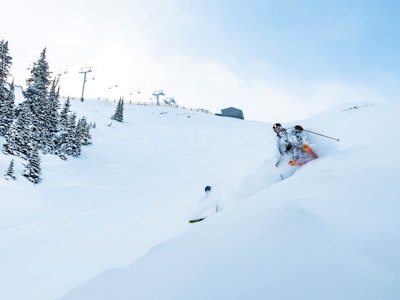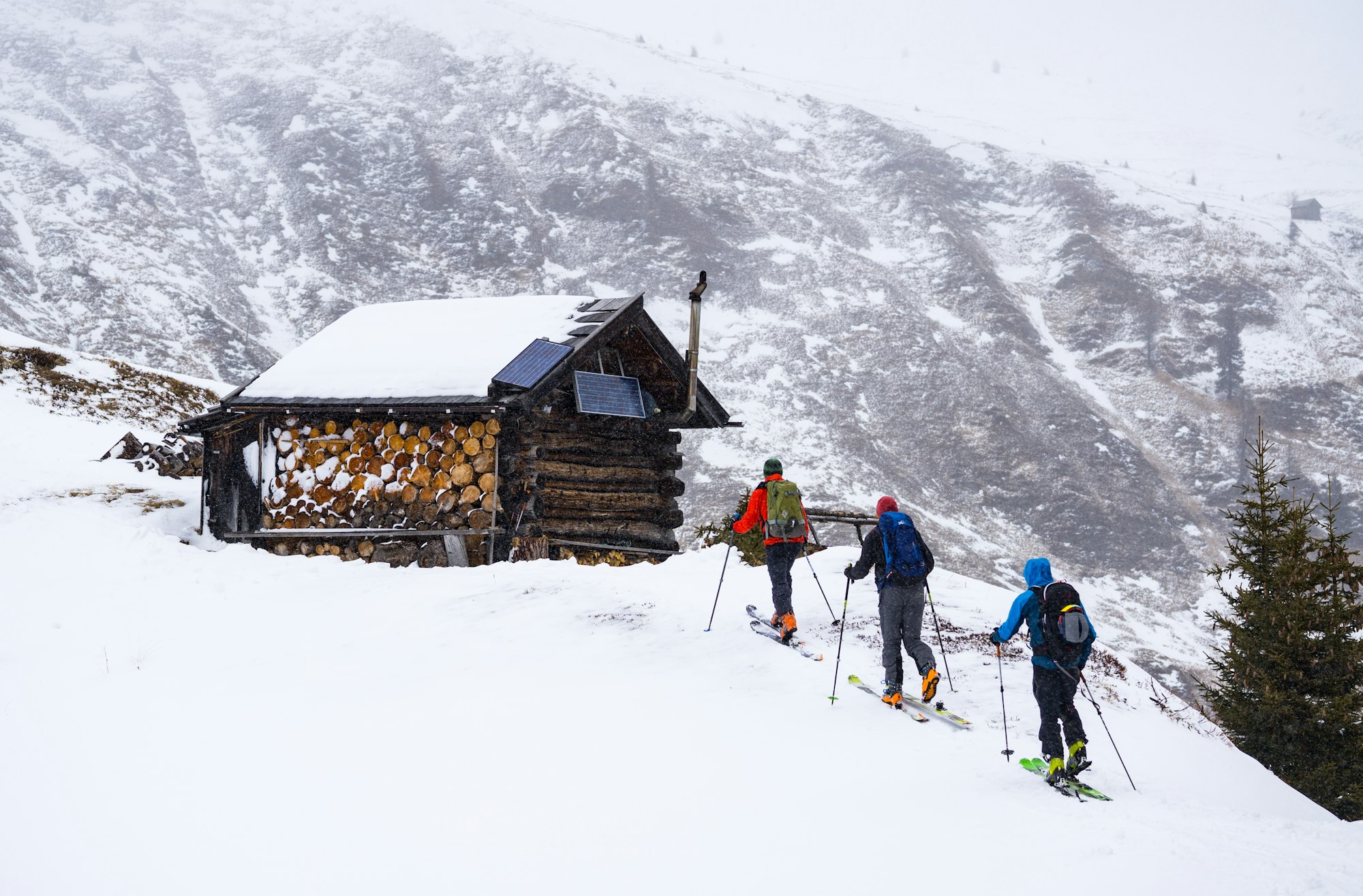
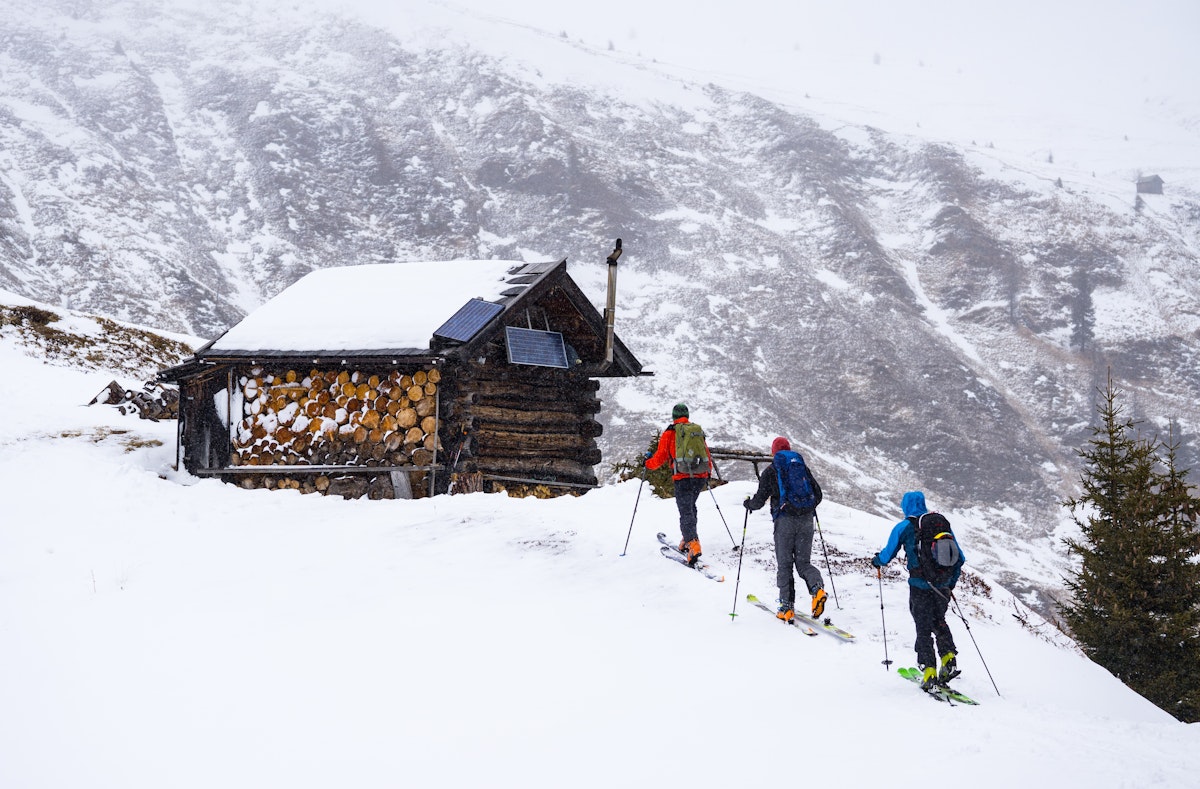
Winters shouldn’t just be spent in the resort. Sometimes, it’s most satisfying to carve your own path through untracked pow all day without the crowds of inbounds skiing. Whether you’re chasing crisp lines, night stars or just a weekend off the grid, a hut trip is the ultimate way to experience winter on the snow. But, planning one is an ordeal of its own. Here’s the FREESKIER approved guide on how to make it happen.
1. Lock it in Early
Most hut systems across the US open reservations months in advance. Winter hut season is quite short in most places, lasting roughly from December to May so slots, even weekdays, tend to fill up extremely quickly. It’s recommended that you log into your desired hut’s website the day reservations are released to secure one that works with your schedule. Some hut associations, like the 10th Mountain Division , even run lottery systems for the most popular dates, so don’t be discouraged if you can’t get your reservation the first time.
2. Know the Route
Before heading out on your adventure, be sure to study the terrain you’ll need to get through to actually make it up to your hut. There are many options when it comes to transportation up to the hut. Snowshoeing, sledding and skinning are all options, but any mode of transportation lends itself to the risks of snow travel. Be sure to check avalanche conditions on the route and ensure the people in your crew are AIARE certified.
3. Pack Smart, Pack Light
Space is a hot commodity in a backcountry hut, and the trek in can be long and tiring. Pack light to ensure a fun and smooth trip, but never skimp on the neccessities. Here are a few things you won’t want to forget:
-
Warm, moisture wicking layers: base layer (wool is what we recommend), mid-layer, down jacket, waterproof shell
-
Sleeping bag rated for your local winter temps at elevation
-
Headlamp and spare batteries (plus other light sources if you so choose)
-
Meals and snacks (most huts are equipped with kitchens, but plan around your reserved hut)
-
Toiletries: toothbrush, biodegradable wipes, small towel, etc.
-
Safety gear: beacon, probe, shovel, first aid kit, airbag and SAT phone if you have one
4. Respect Hut Etiquette
Most huts are in hard-to-reach locations, which is part of their appeal. It also makes them extremely challenging to maintain. Most huts rely on leave-no-trace principles and self service cleaning from users. Wash your dishes, pack out your trash and leave the place better than you found it. Remember: huts are shelters, not luxury condos. Enjoy the rusticism!
5. Remember to Enjoy!
Planning a hut trip may seem stressful, but the whole point is to unplug, relax and have fun. There’s truly nothing like being up in the mountains out of reach of the real world with some close friends and a great snow forecast. This is the kind of epic adventure that will stay with you long after the snow melts!