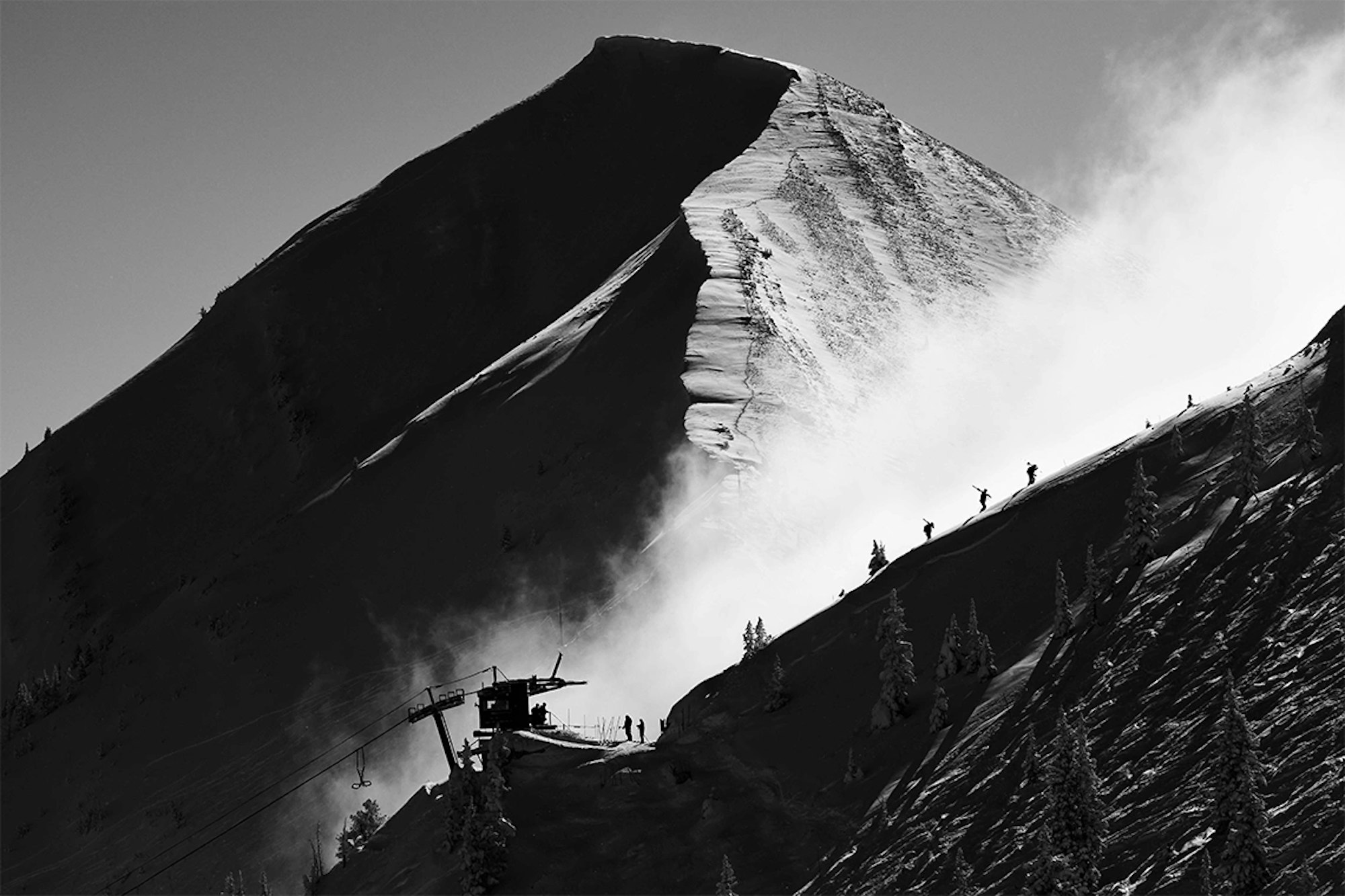
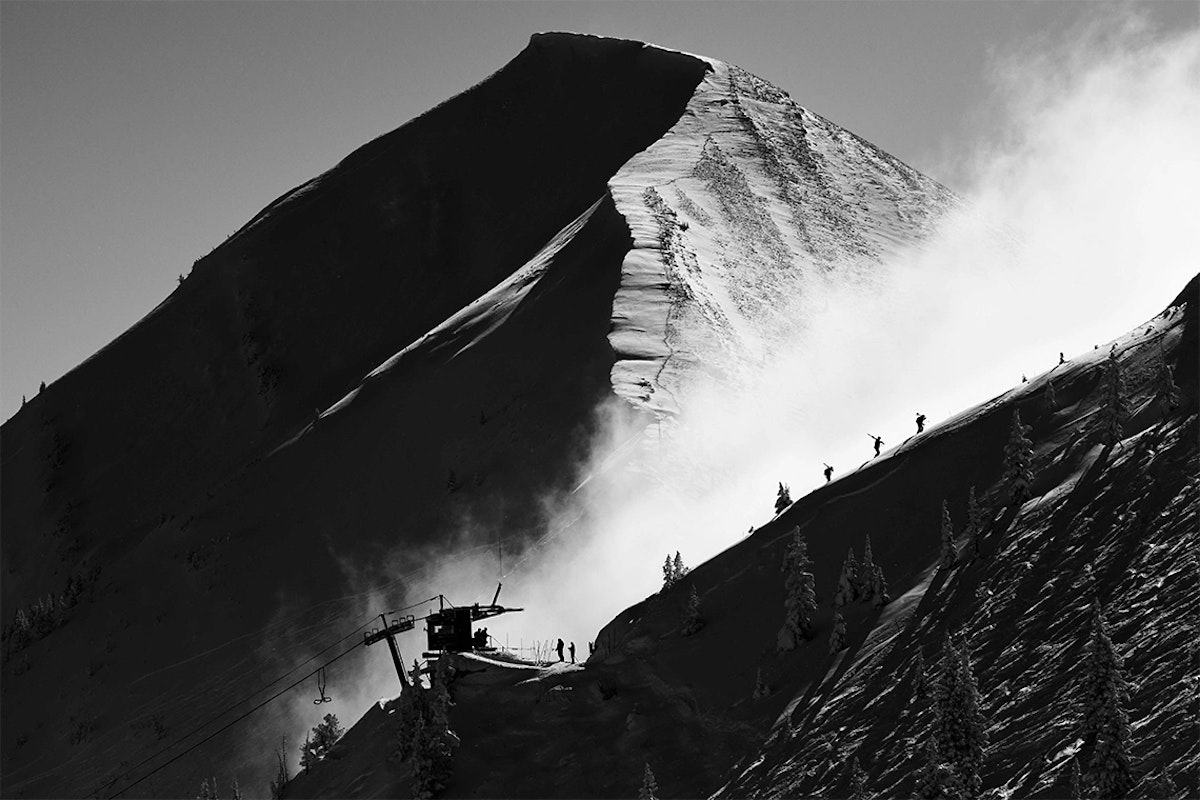

Featured Image: Hayden Fonnesbeck | Location : Bridger Bowl, MT
America's Rocky Mountains host some of the best resort skiing in the world. No hot take there. Millions of skiers migrate to Colorado, Utah, Wyoming, Idaho and Montana each year for the turns of a lifetime. The sheer amount of ski resort infrastructure you'll find in this region begs the question: What are the best chairlifts in the Rockies?
We at FREESKIER have picked out six lifts (in no particular order) that we think stand apart from the masses. Some are front-page regulars; popular chairlifts that you've heard of before. But some are a bit off the beaten path. With detailed descriptions of the terrain and snow you can expect to find at each, we hope this treasure trove gives you at least one new lift to place on your ever-growing ski bucket list for this winter. Time to point 'em!
Mid Gad
Snowbird, UT
Length: 4,287 ft
Vertical Rise: 1,309 ft

The humble but mighty Mid Gad ready to greet the day | Photo: Jay Dash
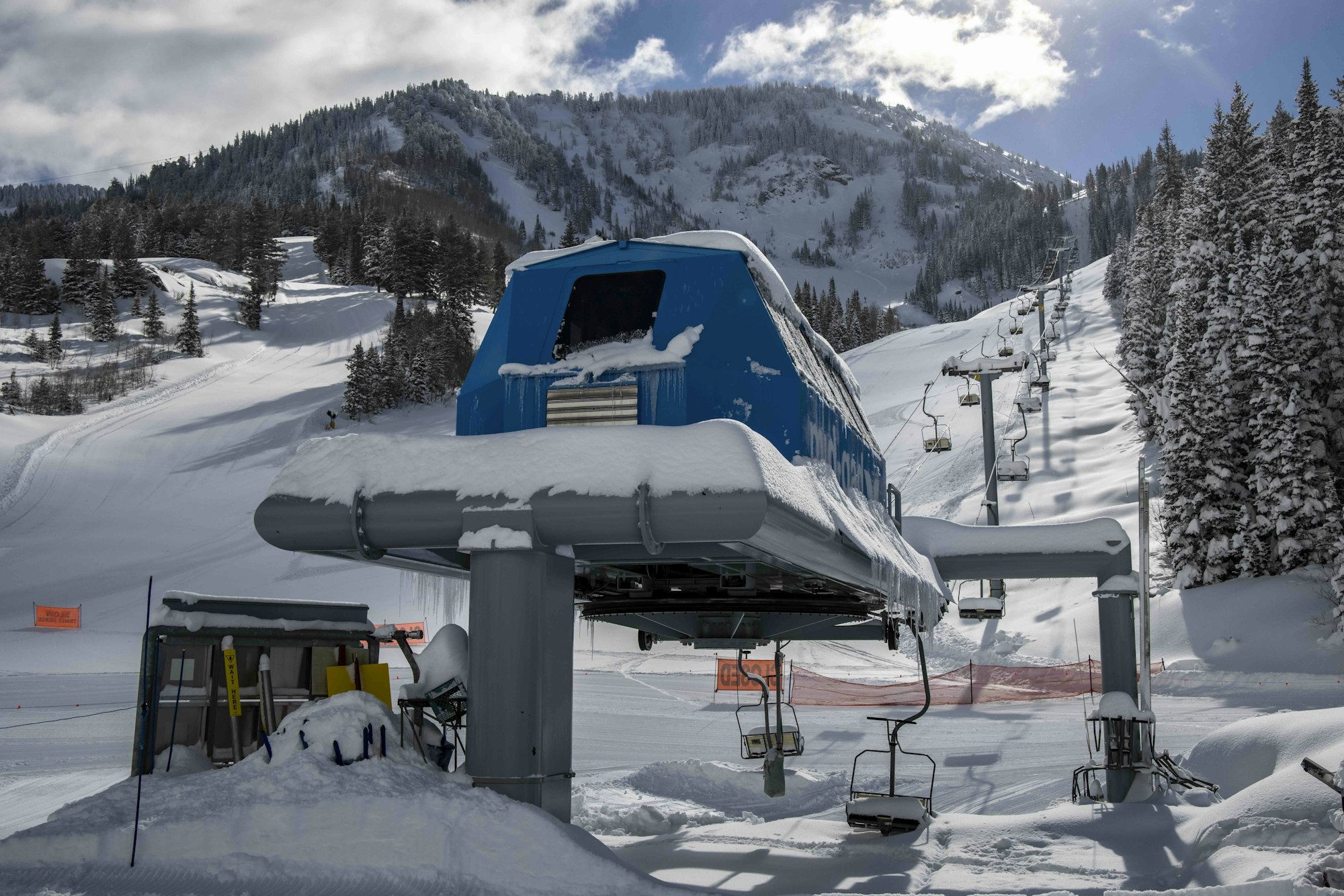
The humble but mighty Mid Gad ready to greet the day | Photo: Jay Dash
Nestled right at the base of Snowbird ’s Gad Valley, the Mid Gad lift is an unsuspecting heavy-hitter. At first glance, you might not think it has much to offer besides access to other lifts like Gad 2. But look closer, and a treasure trove of side hits and quick, steep chutes awaits any skier looking to ditch the lines.
"The special thing about Mid Gad is that it gets forgotten about," local Snowbird skier and turn-enthusiast Marcus Caston told FREESKIER. "It provides access to some insane terrain but gets overshadowed by the tram and pretty much every other lift at Snowbird. "The steep pitches beneath Mid Gad can be divided into three sections. Sneaky Pete can be found to the looker’s left, followed by Jones Avenue and Big Emma underneath the lift, and the Get Serious Chutes off to the right.
When the snow pack is minimal, every one of these options can deliver heart-pumping chalky turns. But Mid Gad is also a gold mine after a big storm. "On a powder day when everything else has been skied out, you can still find good snow at Mid Gad," Caston continued. Snowbird skiers are quick to head to other areas of the resort like Mineral Basin or Peruvian Gulch for pow laps, and rightfully so. But if the mountain is opening slowly or you’re just looking to turn and burn, this lift should never be overlooked.
Overall, Mid Gad is great because it’s hiding in plain sight. What it lacks in long runs, it makes up for in vertical rise, hot laps and excellent vibes. Odds are low that you’ll find better skiing at the base of any other mountain.
Deep Temerity
Aspen Highlands, CO
Length: 3,681 ft
Vertical Rise: 1,709 ft

The steepest sustained pitch on this list is found at Deep Temerity | Photo: Tamara Susa
When you think of Aspen Highlands , you probably think of the Highlands Bowl. Yes, the world-famous Bowl harbors some of the best inbounds terrain you’ll ever find, but so does Deep Temerity. And while your friends are hiking through the storm, you’ll be on your third lap skiing through some of the best steep trees imaginable. The Highlands Bowl boasts an array of great descents that cascade from a 45-degree pitch into playful trees, but this doesn’t take away from the fact that Deep Temerity doesn’t get the respect it deserves.
The lift is easily overlooked by Highlands skiers hurrying to claim first tracks, especially those who are making their inaugural trip to the ski area. Situated to the left of the Loge Peak chair’s top terminal, Deep Temerity services skiers heading into the Temerity and Steeplechase areas, as well as those returning from the Highlands Bowl.
With a length of 3,681 feet and a vertical rise of just over 1,700 feet, Deep Temerity delivers the steepest sustained pitch out of any lift on this list. The terrain is sheltered and rarely battered by wind, thanks to extensive trees and the area's east-facing aspect. This means you can find ample pow in the Mushroom and Lucky Find trees, even long after a storm.
Highlands typically doesn’t see the same traffic as its neighboring resorts, making this underrated gem even more of a fantastic find. But be cautious, as just a few laps on Deep Temerity might have your legs burning more than expected.
Schlasman’s
Bridger Bowl, MT
Length: 4,257 ft
Vertical Rise: 1,640 ft

Schlasman's top terminal, outlined against Saddle Peak | Photo: Hayden Fonnesbeck
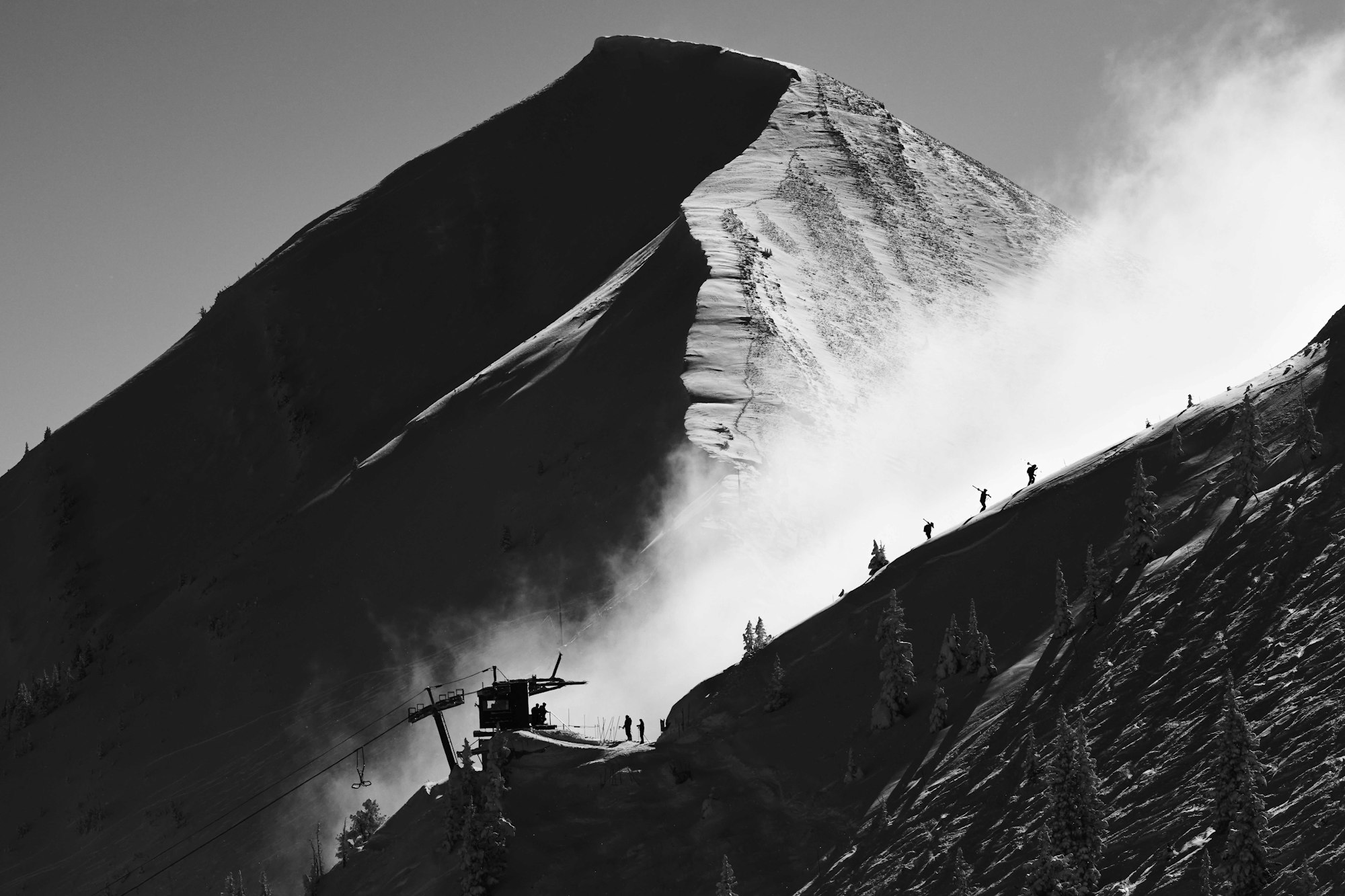
Schlasman's top terminal, outlined against Saddle Peak | Photo: Hayden Fonnesbeck
If you’re familiar with the cold smoke freeride mecca of Bridger Bowl , then Schlasman’s Lift is likely in no way overrated to you. However, if you haven’t skied in the Treasure State, this might be the first time this chair has appeared on your radar.
First opened in 2008, Schlasman’s (pronounced Slush-mans, depending on who you ask) sits at the far looker’s left of Bridger Bowl. The lift delivered long-awaited lift access to this area of the mountain, enabling skiers to easily access Mundy’s Bowl and, beyond the resort’s south boundary, Saddle Peak. You can also make the relatively short hike back towards the resort along the famous Ridge, which supplies some of the most technical riding you’ll find at any ski area.
Before heading to Schlasman’s, be sure to have your avalanche beacon on. You’ll need one to be let onto the lift (or to access any of the hike terrain at Bridger), thanks to the terrain you might find yourself in. That brings up a good point, which is that Bridger is no ordinary mountain. The vast majority of the runs off Schlasman’s and the Ridge are not marked, and you can easily find yourself cliffed out. Be sure to go with a friend, ask around and explore with extreme caution if you don’t know your way around.
But once you’ve dedicated some time and developed the lay of the land, you’ll be reaping the rewards on Schlasman’s for years to come. There are more chutes, cliffs, doubles and straight-lines around this chair than most could ever ski in a lifetime. Time it right, a fresh 20" of the lightest snow on earth with an inversion keeping the clouds in the valley and the skies blue, and it might be your best day of the year.
Pallavicini
Arapahoe Basin, CO
Length: 3,478 ft
Vertical Rise: 1,392 ft

A pow day under Pali is hard to beat | Photo: Curtis DeVore, Arapahoe Basin Ski Area
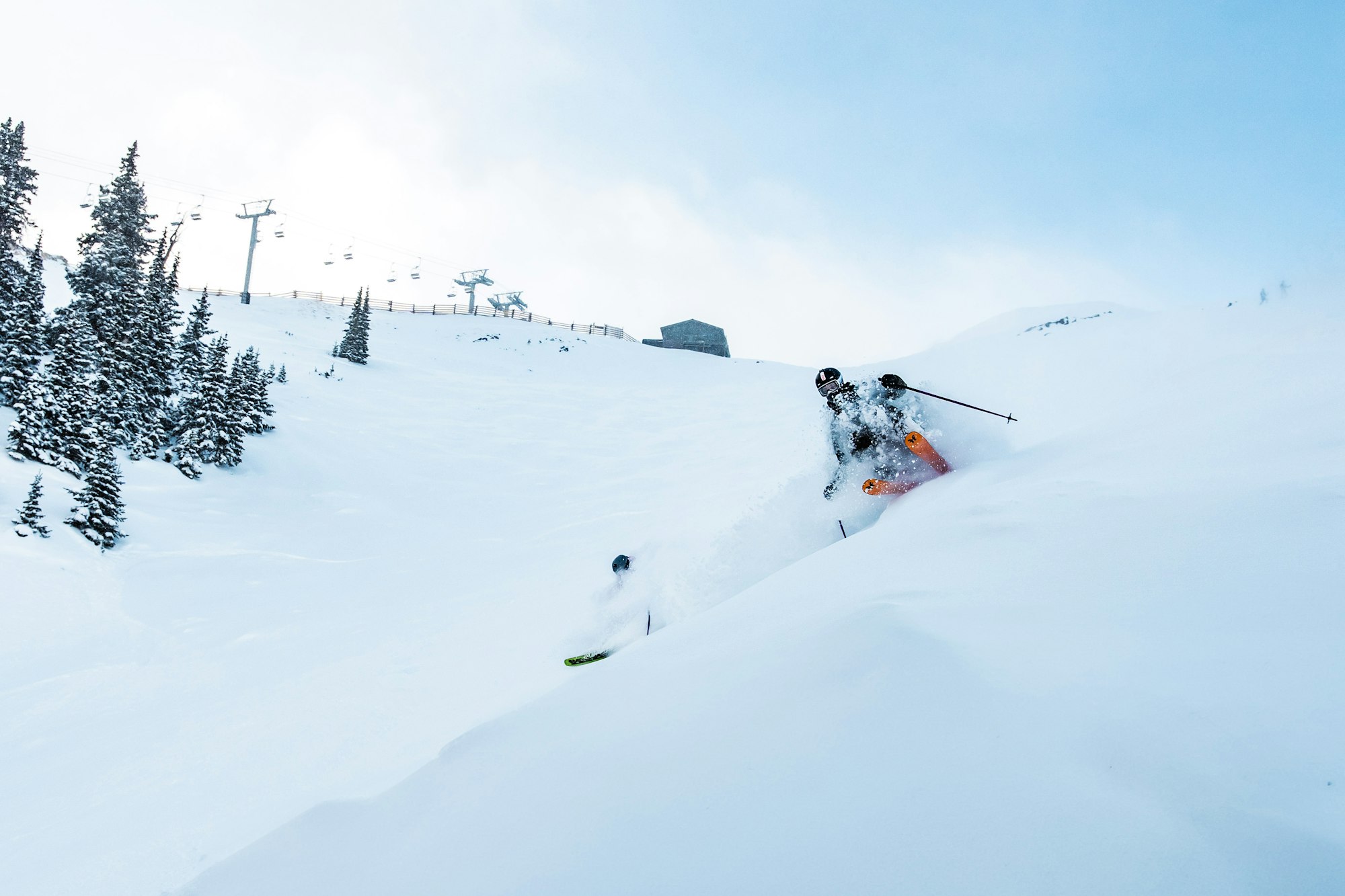
A pow day under Pali is hard to beat | Photo: Curtis DeVore, Arapahoe Basin Ski Area
Originally installed in 1978, Pallavicini has lived a rather storied life in the world of skiing. Known locally as The Center of the Universe, Pali has a specific breed of die-hard skiers who passionately call this lift home. For Summit County locals, this lift is in no way underrated. But if you’re someone who has only traveled to the larger resorts of the area, such as Keystone or Vail, you might not be aware of what was lying right under your nose.
The lift and its surrounding terrain can be aptly summarized to the old saying, "the more things change, the more they stay the same." New runs have been cut in the nearly 50 years since it opened, including the recently developed Beaver's terrain and the newly gladed Steep Gullies. The lift itself was replaced in 2020, now a much faster (and likely safer) fixed-grip double seater. But amidst the change at A-Basin , Pali continues to serve up some best inbounds skiing in North America.
Situated on the looker's right side of the resort, Pali ascends nearly 1,400 feet to a summit elevation of 12,310 feet above sea level. The options around the lift are nearly limitless, with too many quick chutes and local zones to name. Moving from left to right, the main runs are the trees and bumps throughout Standard and International, harrowing glades like Turbo and Rock Garden near the center of the chair, the Pali headwall and Main Street, and the infamous Alleys streaking through the trees near the Steep Gullies.
While Pali might be slow-moving, and the Rocky Mountain wind is reliably merciless up there, it’s exactly those challenges that make this corner of Arapahoe Basin so intriguing. The chalky snow will test your skiing, but the undulating and historic terrain found within one of America’s oldest ski areas is sure to keep you happy and hungry for more.
Sublette
Jackson Hole, WY
Length: 4,118 ft
Vertical Rise: 1,600 ft

The new Sublette chair after a fresh Teton dusting | Photo: Stephen Shelesky, JHMR
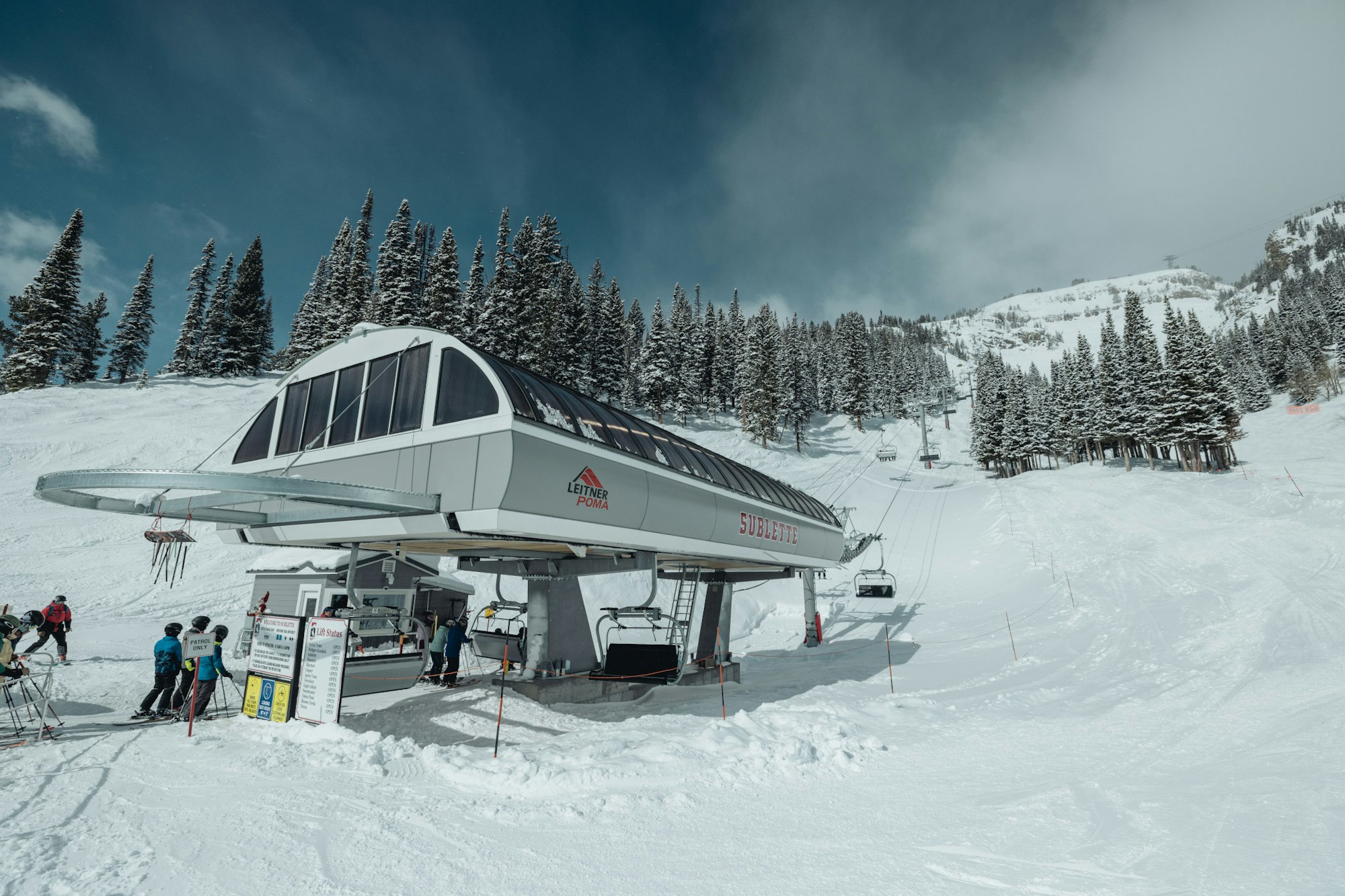
The new Sublette chair after a fresh Teton dusting | Photo: Stephen Shelesky, JHMR
Many things lure passionate skiers to Jackson Hole Mountain Resort . Perhaps you’re there for the view of the Tetons and to snap a picture with Big Red. But more than likely, you’ve heard a bit about the incredible mixture of terrain offered at the resort, from cascading groomers to tenacious chutes and an underrated park setup. We’re not judging you if you came to the Wyoming-Idaho border for reasons other than to ski the Sublette chair… but we’re here to tell you that you should.
Sublette is a staple of JHMR. First built in 1987 and replaced just last year , the spirit of this iconic lift has permeated through the decades. Though at a ski area that has so much to offer, it might remain less recognized by those who aren’t familiar with the mountain. The chairlift sits on the lookers left side of Jackson, beneath the upper stretch of the tram and between Laramie and Bernie’s Bowls. It’s the southernmost lift at the resort, and it accesses some of the finest freeride terrain at JHMR and beyond.
Beneath the lift lie the fabled three Alta Chutes. From these entrance points, you can find a mess of steep runouts and cliffs (like the famous Field Goal and Daydream hits) that Kai Jones and the TGR crew migrate towards when avalanche conditions keep them inside resort boundaries. If you continue down Pepi’s Run past the Alta Chutes, there’s also plenty of mini golf ripping to be done in the trees as you approach the lift.
If your bag is strapped up with a beacon, shovel and probe, then you can take advantage of the incredible backcountry access Sublette has to offer. This is truly what makes it one of our favorite lifts around. The neighboring Rock Springs Canyon in the Bridger-Teton National Forest is one of the more iconic sidecountry zones in North America. We’re not here to spot burn, but if a local has an area they want to show you, it’s wise to oblige. Of course, as is the common saying in Jackson, “If you don’t know, don’t go.” Always play it safe and live to ride another day.
Headwaters 2
Big Sky, MT
Length: 1,499 ft
Vertical Rise: 685 ft
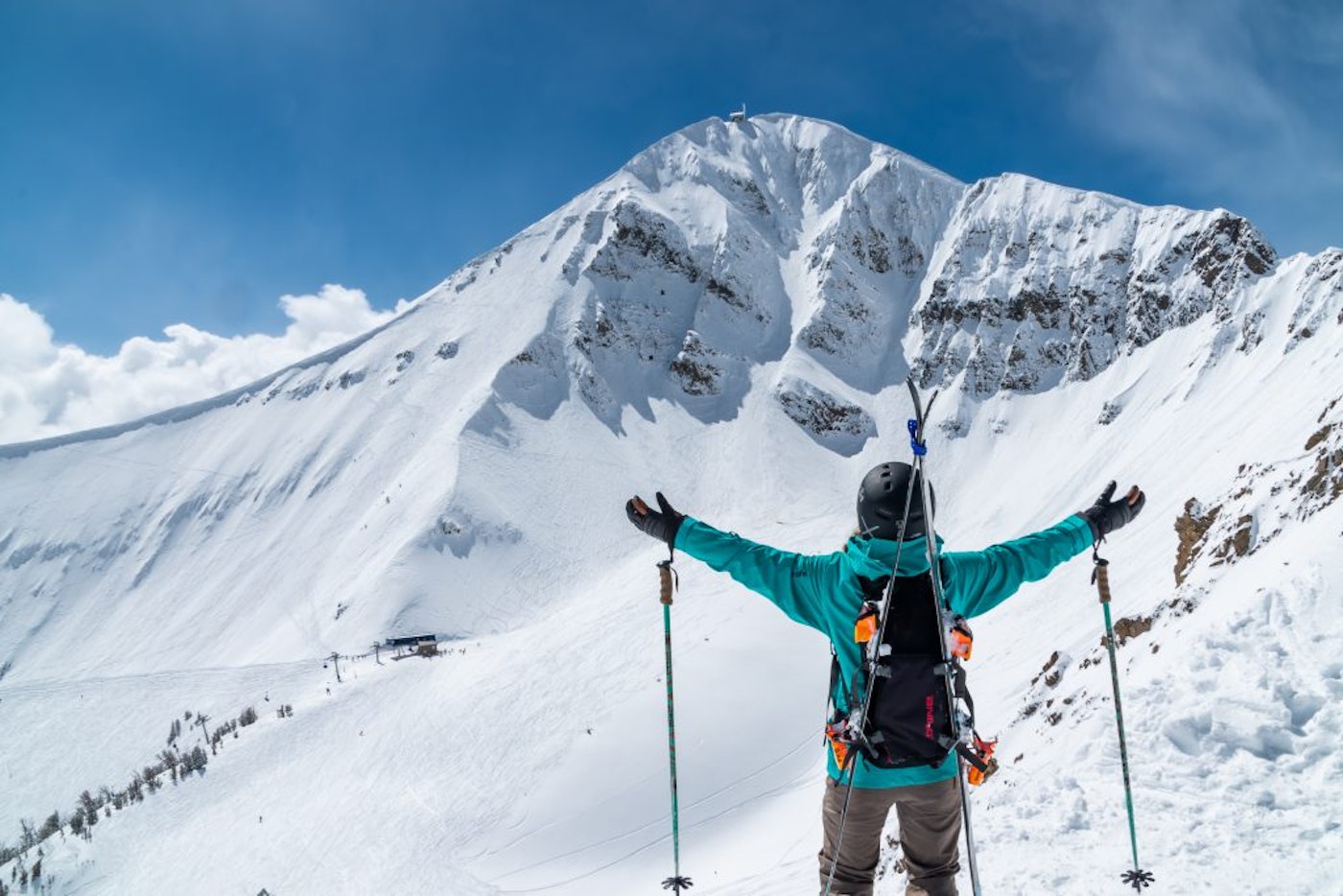
Headwaters 2 delivers some of the best exposed skiing at any resort | Photo: Jon Resnick, Big Sky Resort
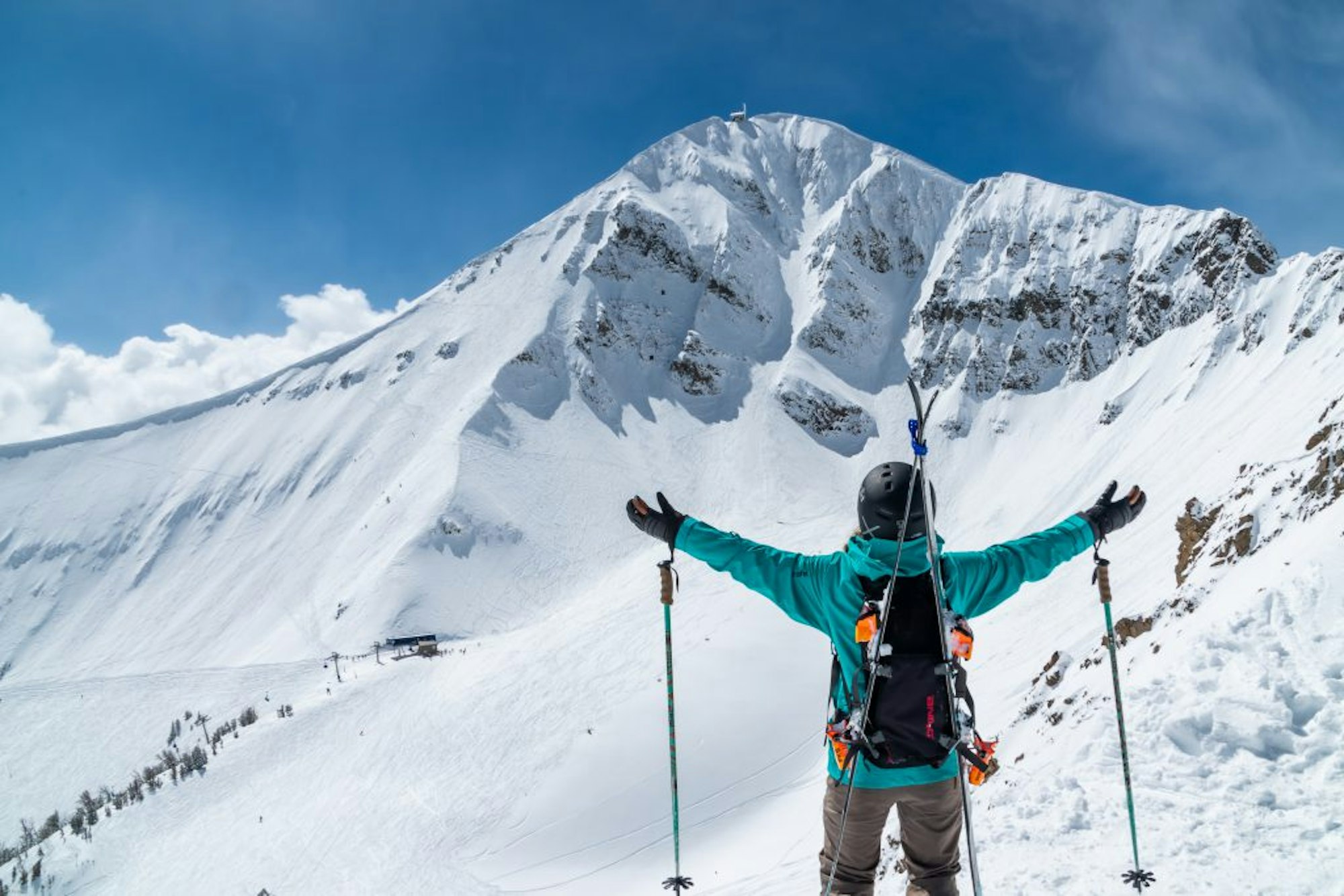
Headwaters 2 delivers some of the best exposed skiing at any resort | Photo: Jon Resnick, Big Sky Resort
Headwaters 2 is the definition of small but mighty. What might appear as a castaway lift on the gargantuan Big Sky Resort map is actually one of the best hidden treasures in skiing. You won’t see Headwaters 2 from the parking lots, or from most anywhere on the resort. There’s a good chance you won’t stumble upon it unless you’re on a mission to find it. But the steep, rocky, stomach-dropping chutes along Lone Mountain’s northeast ridge line can be seen from miles around. This is the prize that awaits those heading up this mighty lift.
At the top of Headwaters 2, skiers are met with a warning sign and a gate at the start of the Headwaters and A-Z hike. As you ascend the ridge step by step with your beacon, shovel and probe, the chutes to your right (north) descend into Stillwater Bowl. The chutes to your left (southeast) are the famous A-Z Chutes. Packed with towering rock features and boasting steep pitches around 45°, the A-Z chutes are for real. No matter which side you check out, it’s best to ski below and take a few photos first. That way, you’ll have a reference point for you and your crew.
The two factors that can limit the skiing off Headwaters are wind and sun. Lone Mountain’s isolated position amongst the nearby Madison Range means it has no protection from incoming storms, and this ridge line is often hit hard. Winds will often move snow from the Stillwater Bowl area and leave scree fields exposed. On the contrary, the A-Z chutes, while slightly more shielded from wind, can be met with sun exposure. These elements and more deliver a challenging snowpack to the Headwaters lift, so always be mindful of Patrol closures, which are not uncommon.
If hiking the ridgeline is not an option for one reason or another, the Headwaters Bowl is still a fantastic option. From chalk to pow, you’ll find a mix of conditions depending on when you hit this quick, steep run under the lift. But you’re sure to find one common denominator; your legs will be screaming and you’ll be jonesing for another lap.
![[GIVEAWAY] Win a Full 26-27 Ski Setup from Fischer](https://www.datocms-assets.com/163516/1790101711-00012060-edited.jpeg?w=200&h=200&fit=crop)


![[Q&A] "Actually, It Is Rocket Science," with Tim Durtschi](https://www.datocms-assets.com/163516/1791320016-keegan_rice-0073.jpg?w=200&h=200&fit=crop)