Featured Image: Gabe Rovick
Vail Resorts has been hit with a collective action lawsuit in which 2,000 current and former employees allege that the company violated the Fair Labor Standards Act. The federal wage lawsuit, Quint et al. v. Vail Resorts, Inc., was officially filed on April 10.
The litigation website claims that the plaintiffs, some 2,000 ski and snowboard instructors employed between 2017 and the present day, are entitled to compensation because Vail did not pay them for "off-the-clock" work. This includes traveling from parking lots to locker rooms and the actual mountain, time spent changing in and out of uniform, and training time.
There are also mentions of reimbursement for equipment and cell-phone use, with the lawsuit stating, "The Plaintiffs also allege that they and other similarly situated Vail Resorts Snow Sports Instructors were not reimbursed for snow sport equipment and costs for work-related cell phone use during the period from December 2, 2017, through the 2025-2026 season. Plaintiffs allege that, as a result, Vail Resorts failed to pay Snow Sports Instructors their regular or overtime rates of pay per hour."
Vail has been the subject of many controversial public issues in recent years, from ski patrol strikes in Park City to a class action lawsuit filed in March alleging that Vail Resorts and Alterra Mountain Company (Ikon Pass) have artificially inflated ticket prices and are violating U.S. antitrust law.
It's important to note that the Fair Labor Standards Act (FLSA) lawsuit is a collective action, which requires plaintiffs to opt in and can usually be settled in far shorter amounts of time than class action lawsuits. The antitrust case, therefore, might take a bit longer, and proving that Vail and Alterra operate a monopoly and are solely responsible for inflating lift-ticket costs would be a monumental task.

The Back Bowls at Vail Mountain, Colorado | Photo: Gabe Rovick
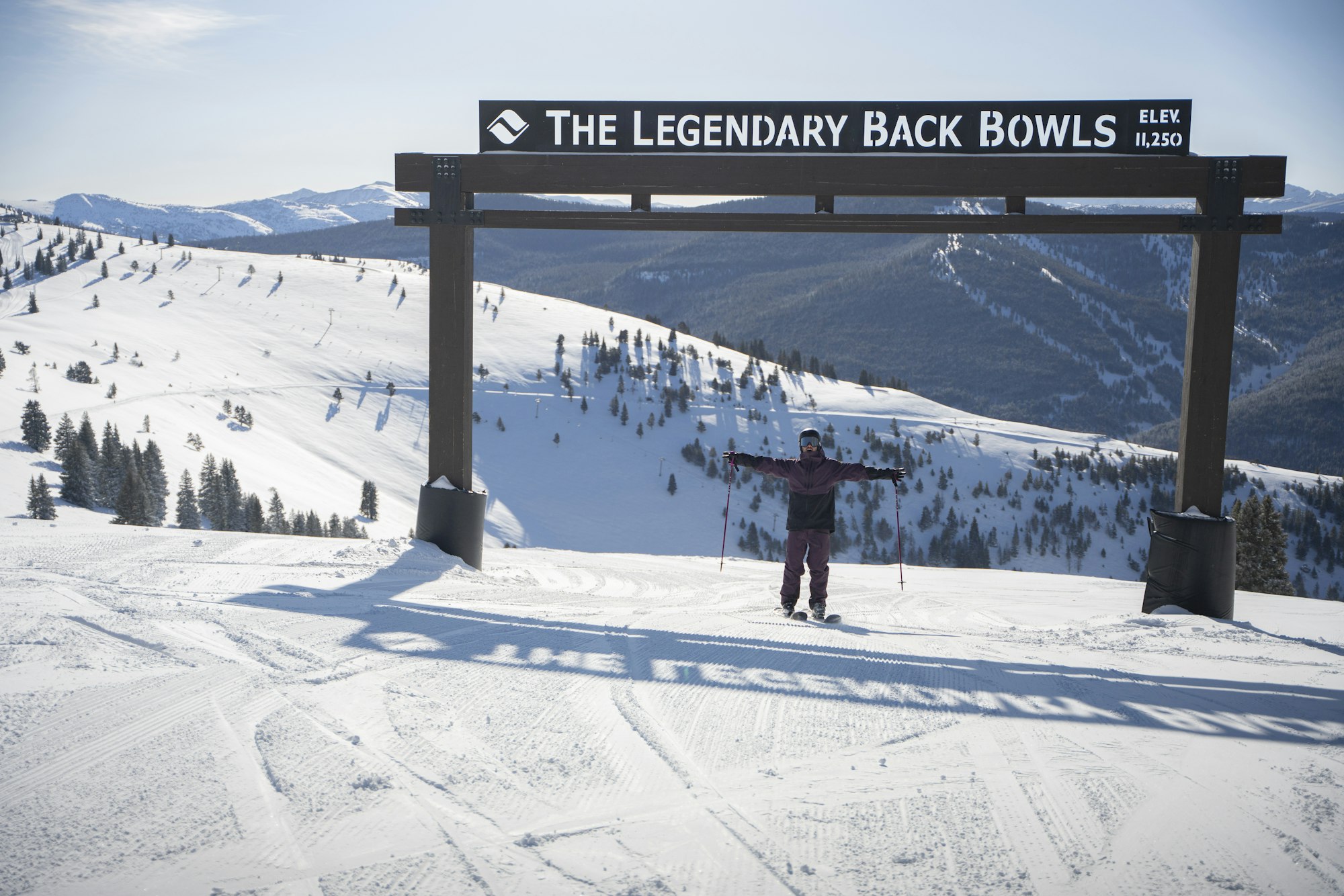
The Back Bowls at Vail Mountain, Colorado | Photo: Gabe Rovick
That being said, the grip these two corporations have on the wide world of skiing has never been greater. While their strategies are different, with Vail holding ample portions of its worth in real estate by buying resorts and surrounding infrastructure outright and Alterra simply partnering with big names like Jackson Hole, Aspen Snowmass and more, they still have tremendous sway in the ski economy. In fact, more than 50% of total lift capacity (ski resorts) in the U.S. is controlled by Vail and Alterra, according to a study done at the University of Utah's Institute of Economics.
The lawsuits certainly put added pressure on Vail, a company that's already feeling the heat from both inside and out. An open letter published in early 2025 by Late Apex Partners investment group publicly blasted then CEO Kirsten Lynch and Executive Chair of the Board Robb Katz for "unacceptable performance" over the previous five years, using free cash flow, capital allocation, public perception and other metrics to paint a picture of a business in which "management is asleep at the wheel." Lynch was fired just months later and was eventually replaced by former CEO and Executive Chairman Katz, who is the current CEO of Vail Resorts.
No matter how you slice it, it's clear that the vast majority of skiers are not happy with the current financial barriers in skiing. This is an absolute reflection of the modern world, where wages are stagnant and prices are rising year after year. That said, there are changes the industry could make to better limit price gouging. It's incredibly expensive to run a ski resort in 2026, but companies like Vail and Alterra need to find a way to make access somewhat affordable before they price out the bulk of their customers or scare off investors. Vail Resorts' stock price is down 60.97% over the last five years.
Call me crazy, but I hope that Vail and Alterra find a way to truly thrive in the modern ski world. And by that, I mean I hope they can produce business models that are sustainable for all parties involved, with pricing that is fair and rational, which $300 lift tickets and $30 burgers are surely not.
Vail Resorts denies that it did anything wrong or violated any laws in this case and denies all the Named Plaintiffs’ allegations. Vail Resorts believes it has paid and continues to pay all Snow Sports Instructors in full compliance with the law.