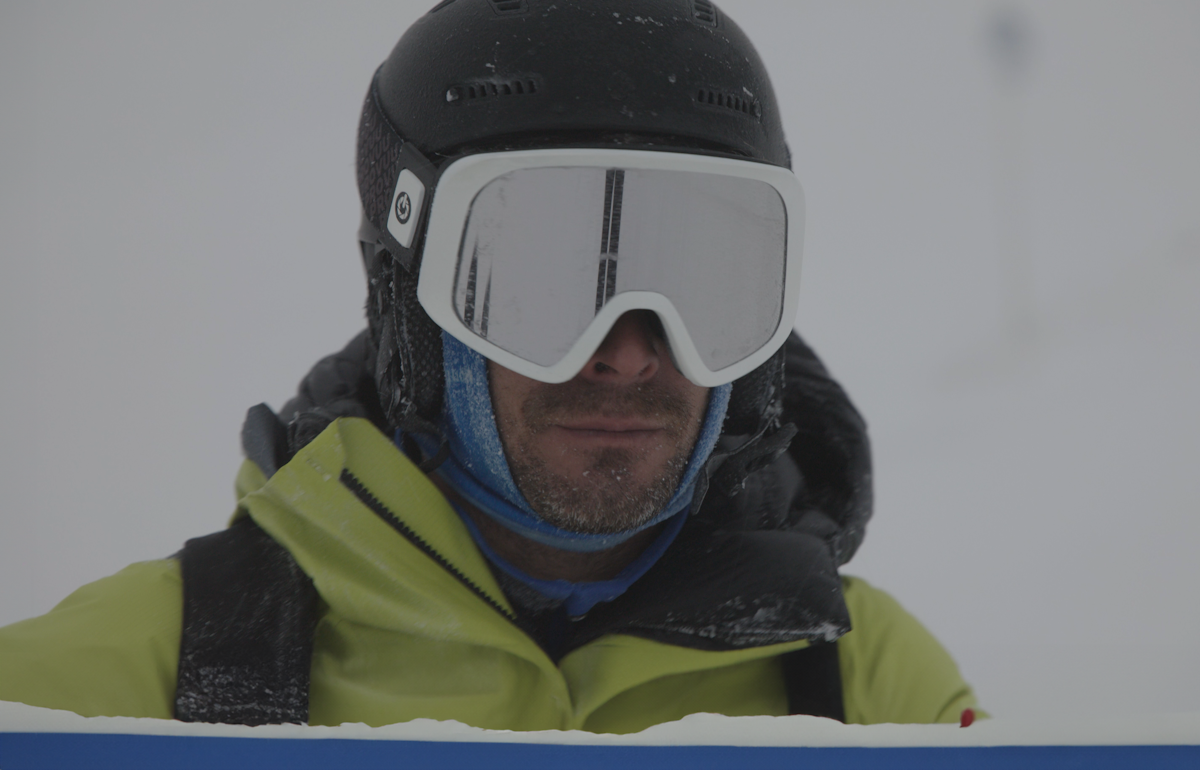

All Images: Courtesy of Provuu
Every great product should solve a problem.
For the co-founders of Provuu, Gabe Iobbi and Kyle Klein, this problem arose at the LAAX ski resort in Switzerland. “It was a really flat-light day,” Klein recounted. “On our first run, I got overzealous. I caught an edge in an invisible ditch, cartwheeled and cracked my goggles and helmet. It was a bad crash for not doing anything crazy.”
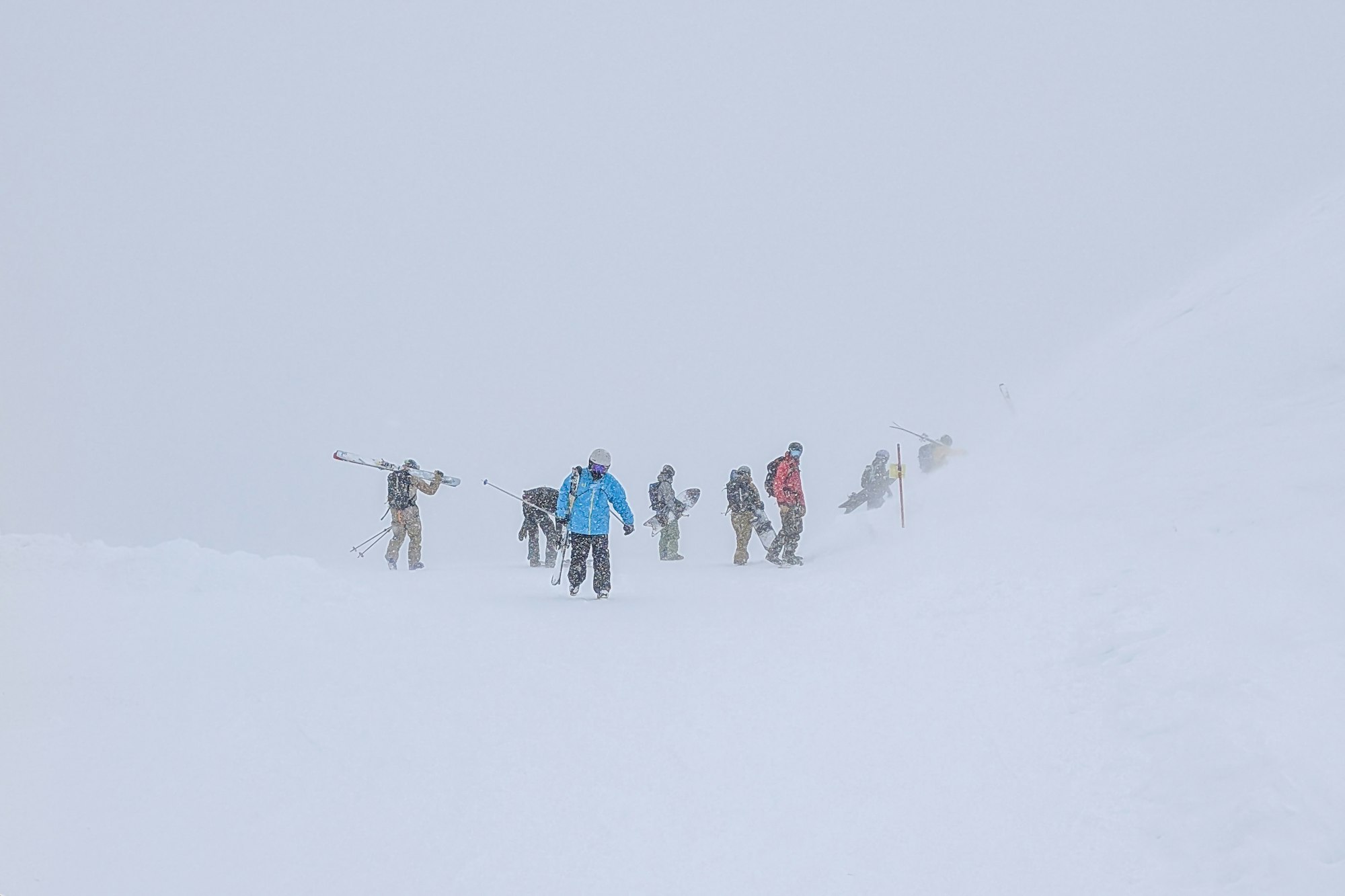
As snow sports enthusiasts, we have all been there, caught in a vertigo-inducing white room, trusting our instincts and muscle memory to keep our bodies upright. This task can be anxiety-producing and downright frustrating as you pick your way down a run you have skied a million times at half the speed, only able to see a few feet in front of you. Sometimes this dance with blindness can result in disaster.

Our eyes are arguably our most important sense, as they are the primary way we take in the world around us, bringing joy when we watch the sun set over the horizon, enabling us to read and write and helping us endlessly stare at Instagram reels if you’re into that sort of thing.
The point is, our world is built around seeing, but, like anything else, it has its limitations. Our eyes can only perceive a specific range of wavelengths, which is why we can’t see microwave rays flying across the room, fine detail in the dark or contrast in the snow during a whiteout. Over time, we’ve figured out how to expand the wavelength range we can see using cameras and image processing.
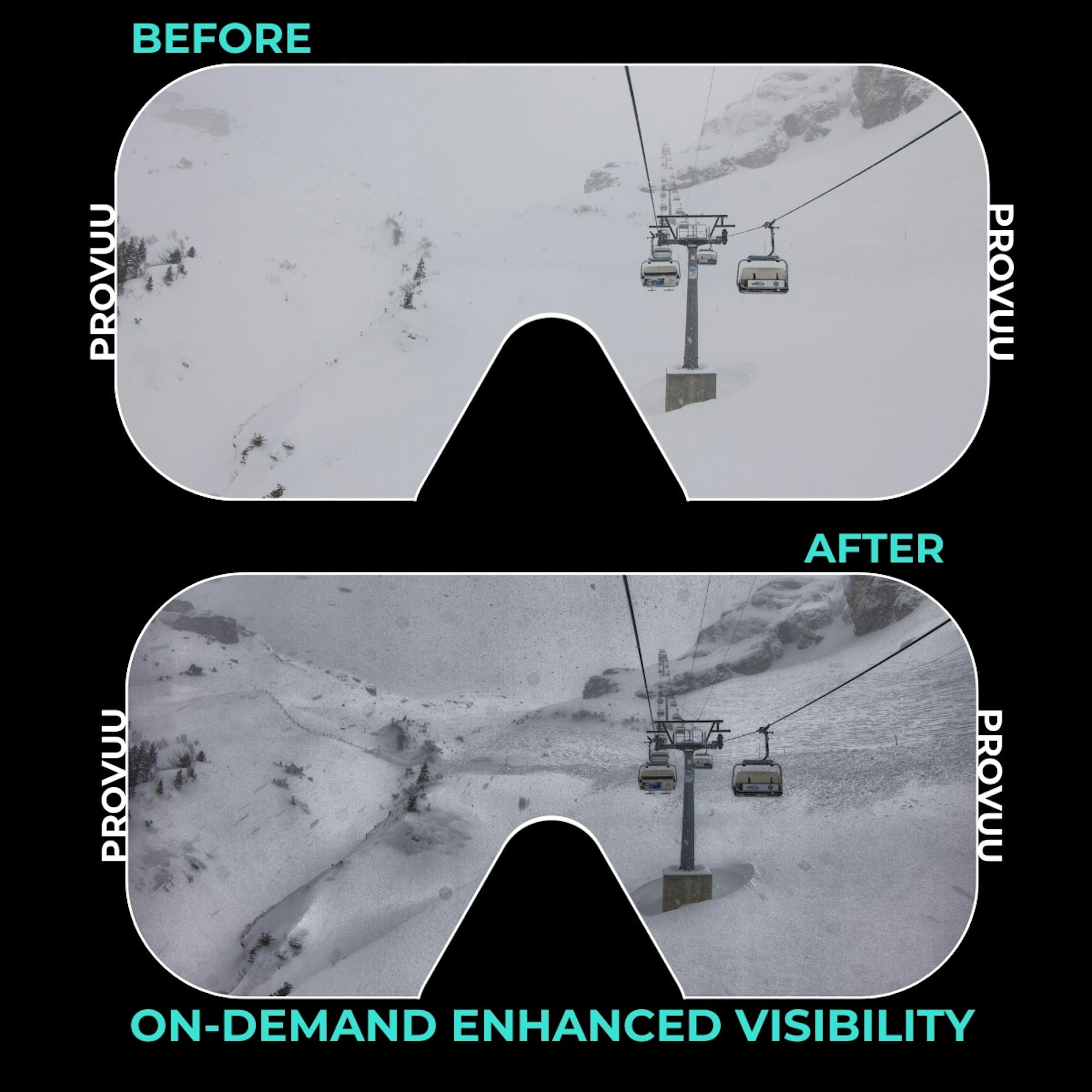
This is precisely how night-vision goggles work. To keep it simple, night-vision goggles take trace amounts of visible and IR light, amplify them and provide the amplified version back through a screen, enabling users to see detail in complete darkness. This exact process also works well in low-contrast conditions while skiing, where our eyes can't see details in the snow due to poor lighting and reflections. This technology solves the exact problem that caused Klein’s crash and inevitably pushed the two co-founders to create the Provuu XR Goggles.

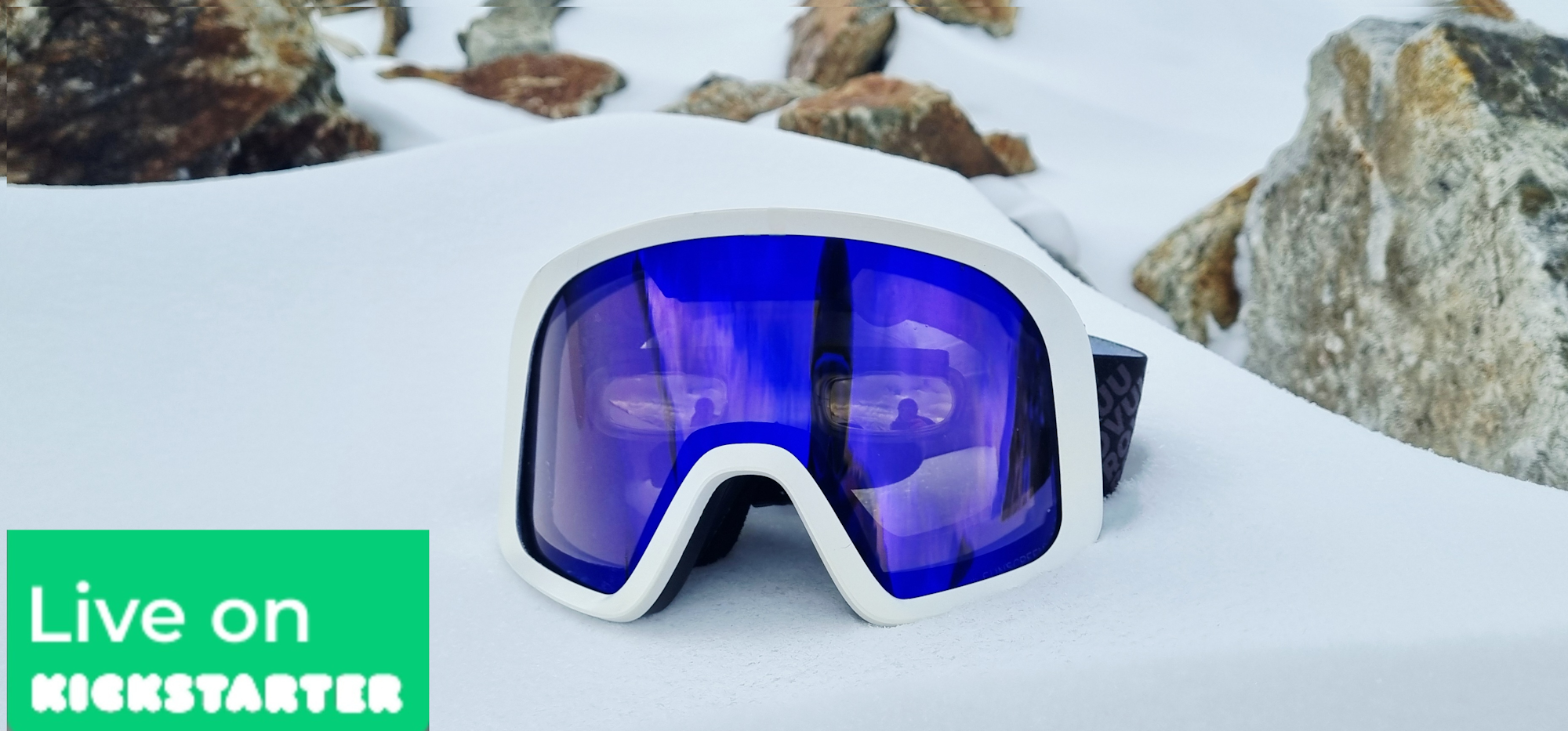
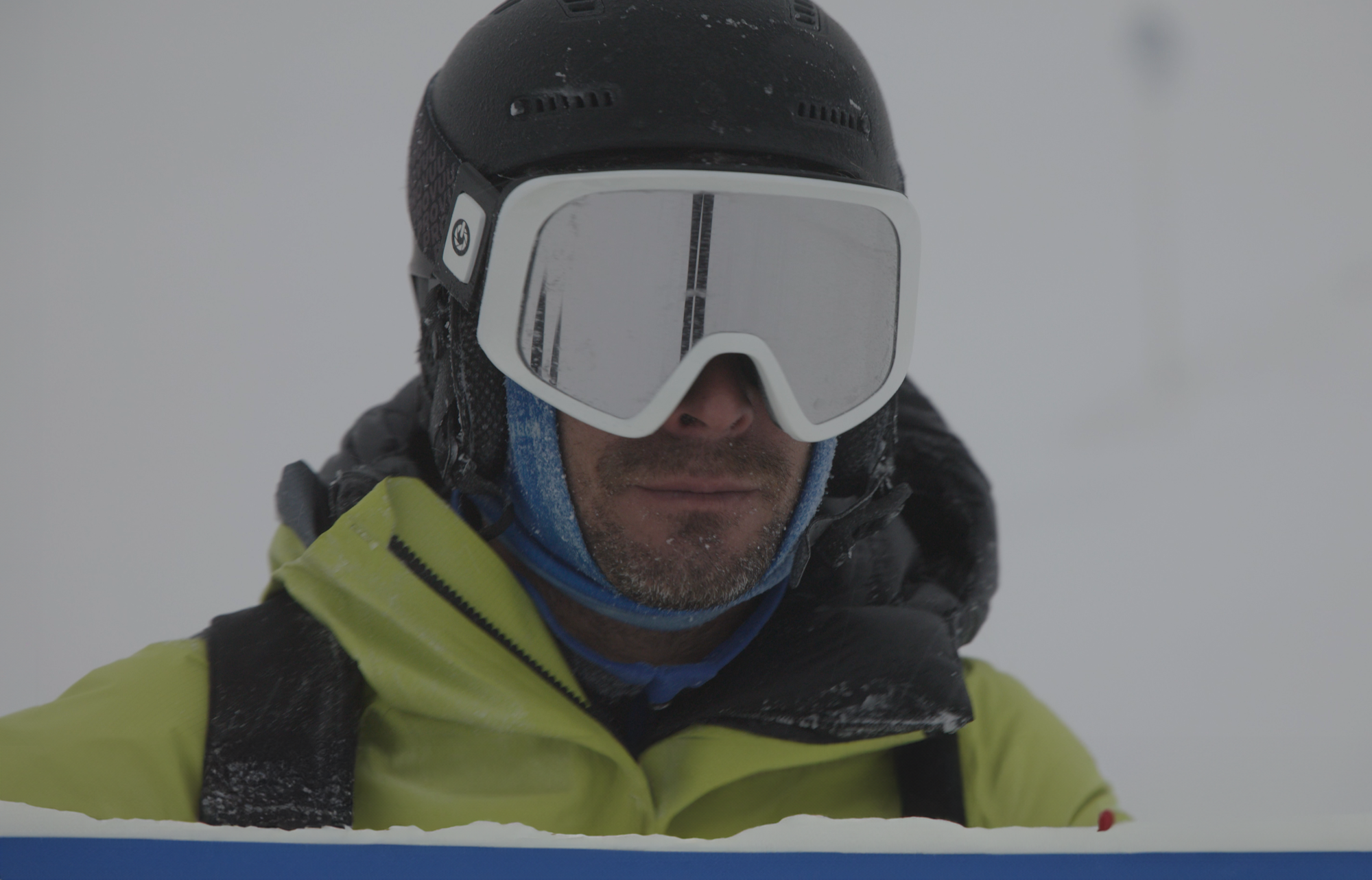
The frame, foam and lens of this goggle are the same as what you find in any pair of traditional goggles. What sets the Provuu goggle apart is its ability to capture video of the terrain around it and process it so our vision can perceive the terrain better in flat light.
The system starts with two high-definition cameras placed in the top of the goggle, right above your eyebrows. The data from the cameras is sent to the goggle’s control unit via a cable. This unit sits inside a jacket pocket, keeping the battery and compute unit safe and warm, helping it run longer.
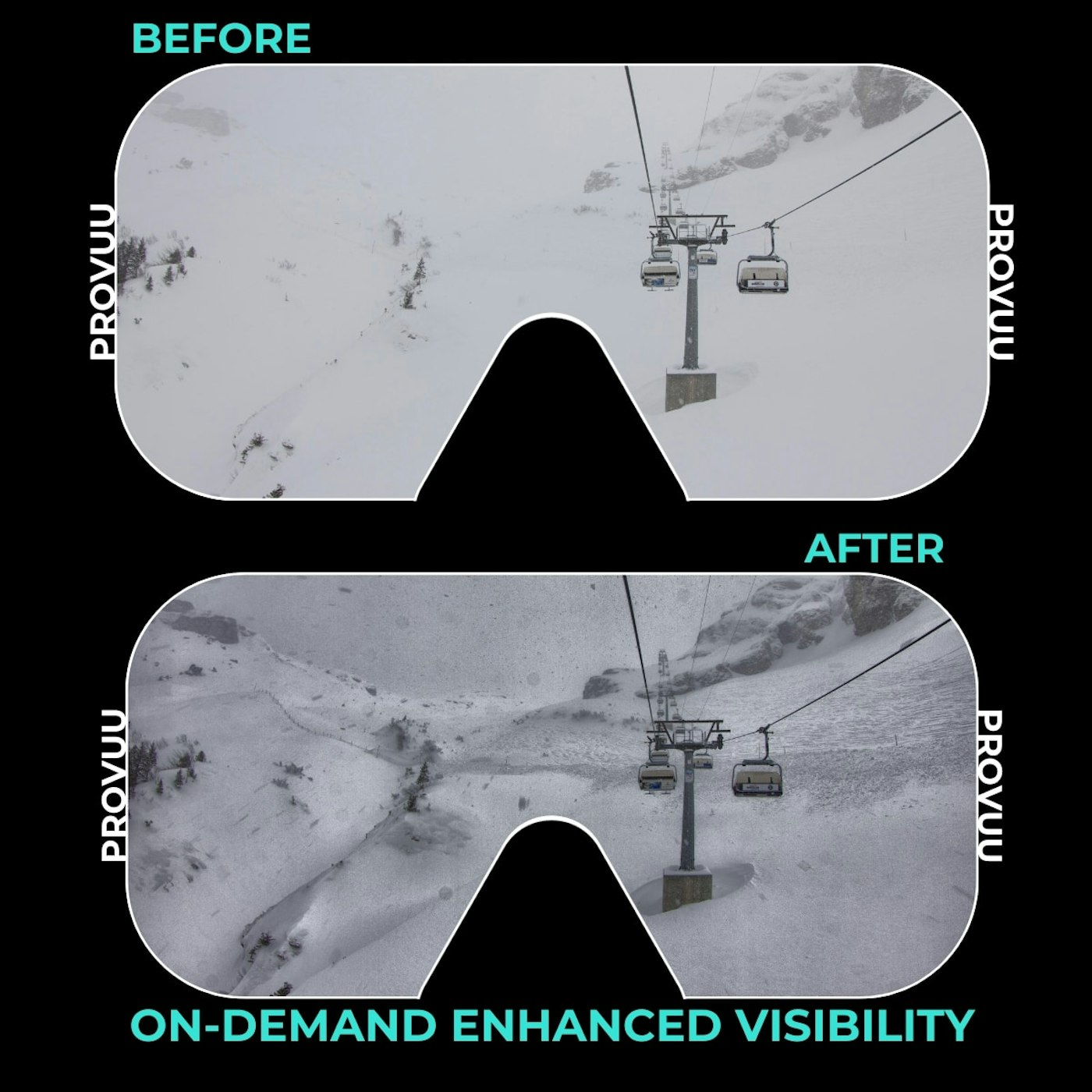
After the camera data is processed to increase contrast in the control unit, it’s returned to the goggles via the cable and displayed in black-and-white on two screens mounted at eye level. The Provuu team specifically opted for a black-and-white feed because it significantly reduces latency, and well, there isn't really any color in a whiteout anyway.
The latency from the cameras to the screen is only 30 ms, which is indistinguishable to your brain, making the video feed feel like it’s in real time. Like night-vision goggles in the dark, the cameras and processing unit can pull out incredible contrast in the snow.
Simply put, augmented reality is significantly better than traditional low-light goggles in the same conditions. Speaking of traditional goggles, when conditions are sunny, the XR goggle can be used without the augmented reality system engaged, functioning like conventional goggles.
Finally, one of the most essential things about battery-operated products in cold, snowy conditions is battery life, and for all the processing this product does, it’s impressive. The whole system runs for 4 to 5 hours. It can be easily turned on and off via a large power button on the goggle strap when you’re in the lodge or on the chairlift. If you do run out of battery, the unit can be fully charged in under an hour via USB-C.
The Provuu AR goggle isn’t just a new product built to cash in on tech buzzwords. This product, developed by real skiers, addresses an issue every skier has faced at least once. Provuu’s solution is genuinely innovative, bringing functional technology from the AR industry to skiing, making the sport more enjoyable and reducing injuries for beginners to experts, young to old.
As you’re reading this, Provuu’s Kickstarter is now live, and you can pick up a pair of these goggles for $500 and support two skiers who just solved a problem so many of us in the community share.