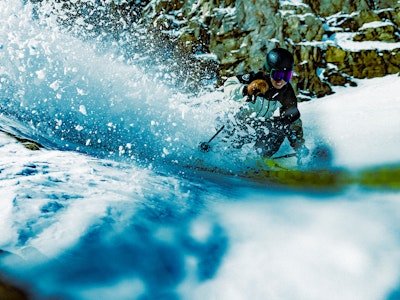
Featured Image: Courtesy of K2
In an ever-dynamic ski industry, change is the one thing we can count on, and no category has changed more in the past decade than hard-charging, expert-level products. With many low-volume (LV) boots slowly being replaced by roomier versions, and demanding skis giving way to softer iterations, the most aggressive skiers on the hill have fewer and fewer options each year. So, are we all just getting a little soft, or is there another explanation?
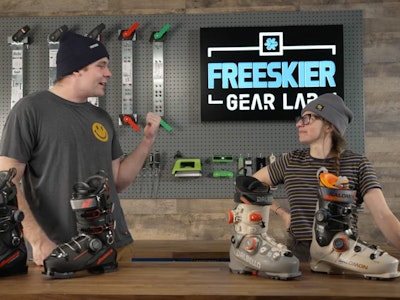
Let’s start with boots. For the past decade-plus, aggressive skiers with average foot shapes have stuffed their feet into LV boots to gain the performance advantages these models offer. Now, these skiers are tired of the time and cost involved in getting the fit right, and they’re far more likely to buy a boot that feels good right out of the box. As brands shift production to focus on consumer preferences, a low-volume, all-mountain boot has been harder to find in recent years, and a class that was once full of 98-mm lasts has dwindled to a few stragglers worthy of the “LV” label. Manufacturers are now investing more in their mid- and high-volume boots while ever so slightly widening low-volume models to make them more palatable to average consumers.
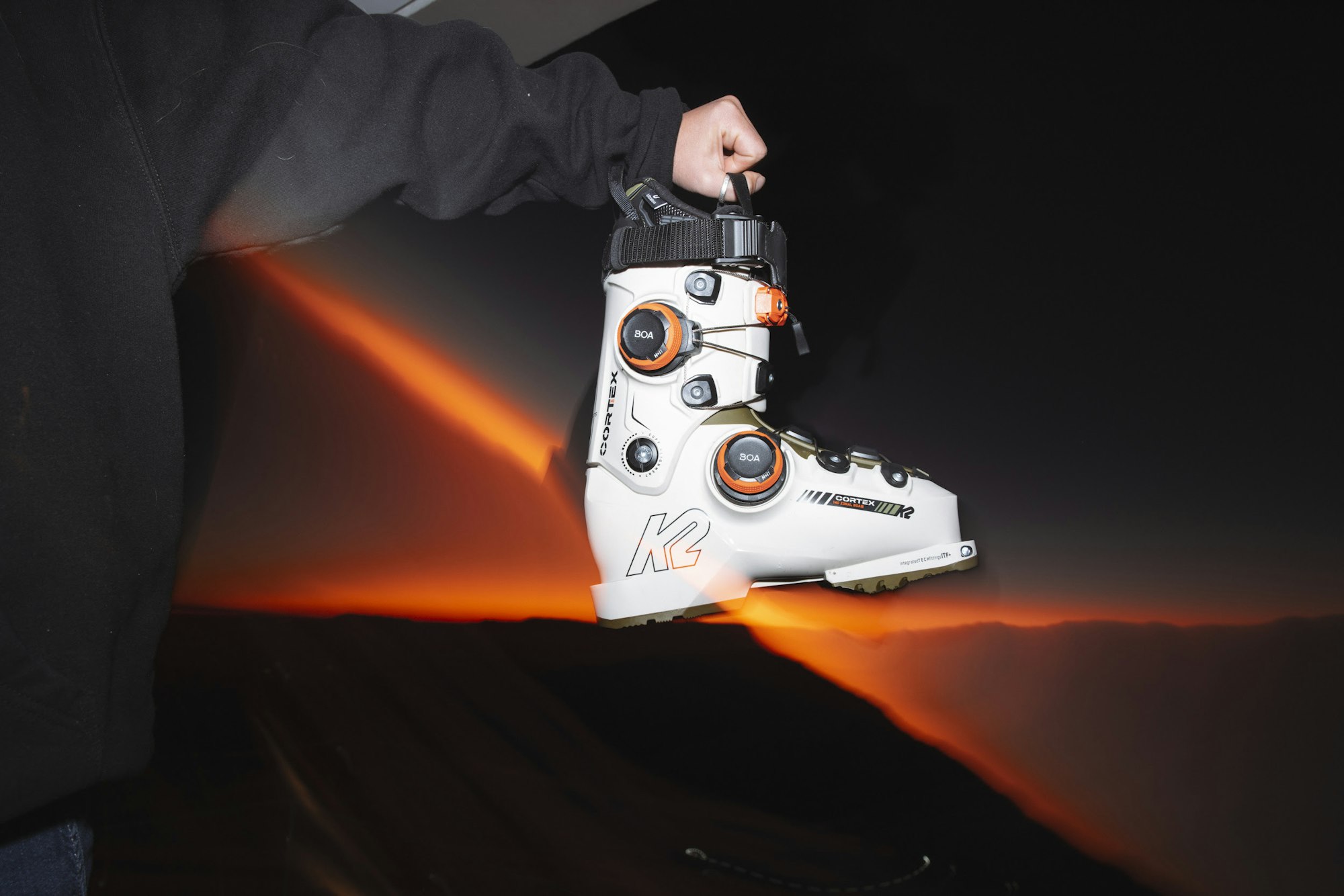
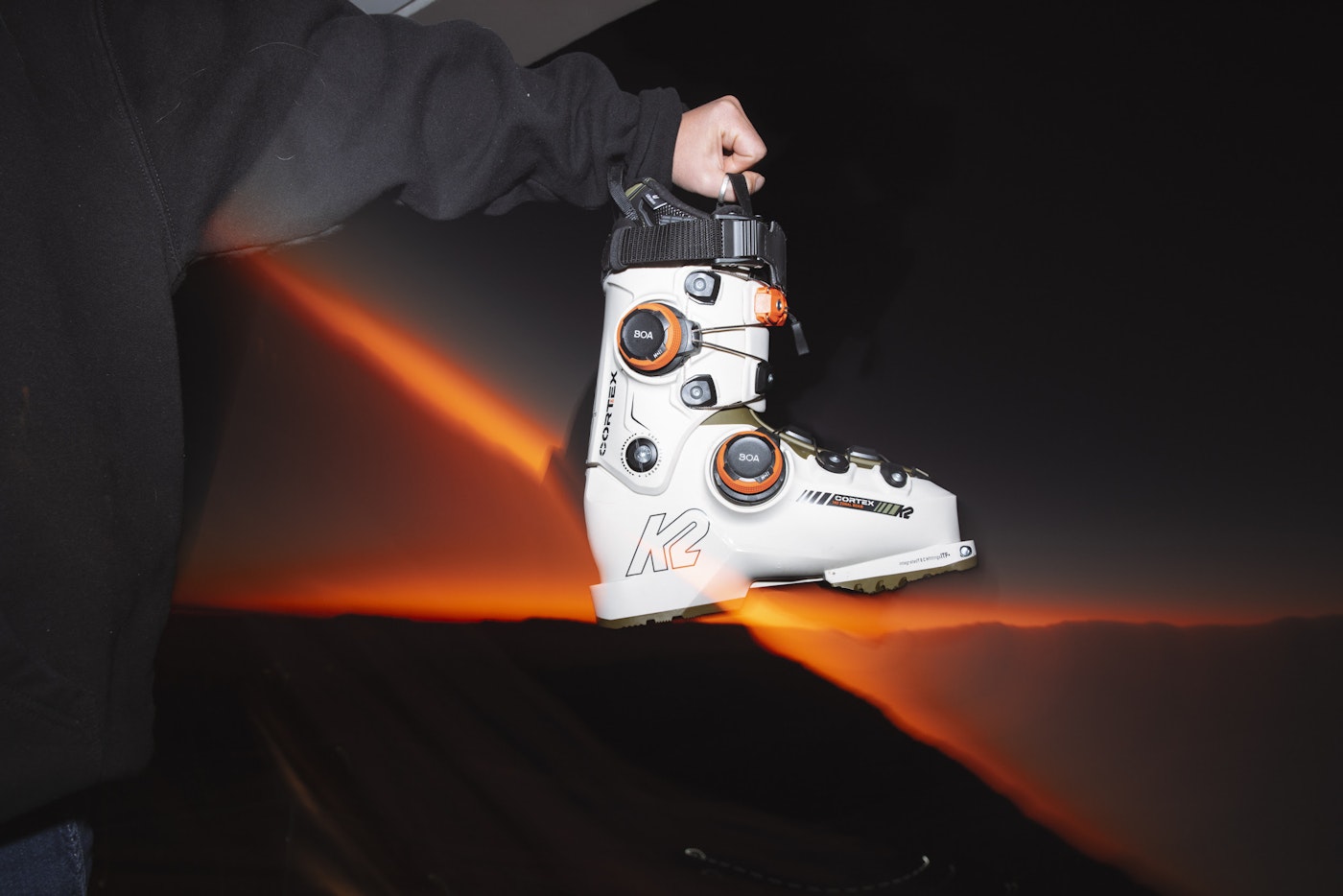
To say that LV boots are disappearing wouldn’t be fair. There are some new models that fit the bill, such as the Atomic Remedy and K2 Cortex, while other low-volume models are evolving. The Tecnica Mach 1 LV, for example, was notorious for its snug fit and lauded by all-mountain and freeride skiers who wanted race-like performance without the weight of a plug boot. For 2026, Tecnica updated the fit with a higher instep, roomier ankle pocket, and extra space in the toe box. While some die-hards lament the change, it’s been widely viewed as a positive move that gets more people into the boot.

Image: Courtesy of Blizzard
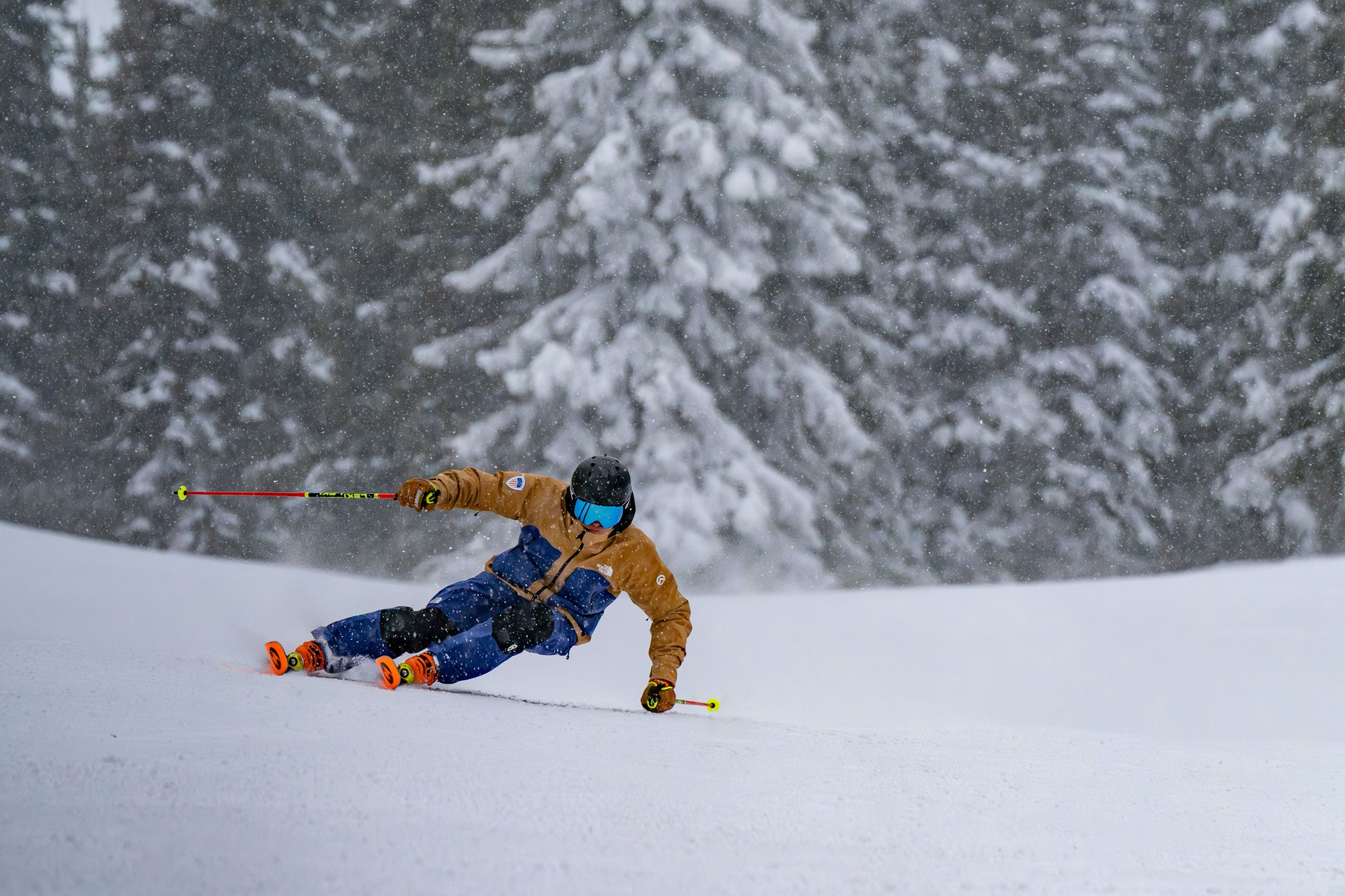
Image: Courtesy of Blizzard
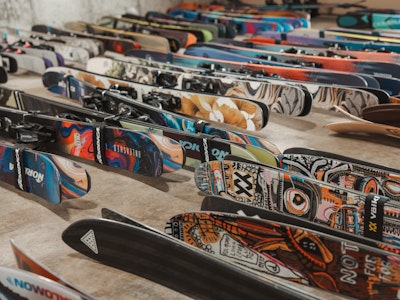
You may have noticed a similar trend along the ski wall at your local shop. Rewind the clock just five to ten years, and there were plenty of long, stiff, and directional skis to choose from. The “charger” category was healthy, with revered options like the Dynastar Pro Rider, Blizzard Bodacious, and Fischer Ranger 107Ti.
It was around 2020 that major brands began slowly re-designing the top end of their lines. Sidecut radii were tightened while skis got lighter and softer, more tapered, and increasingly rockered. The most aggressive skiers were left with few options that offered the level of stability and precision they sought.
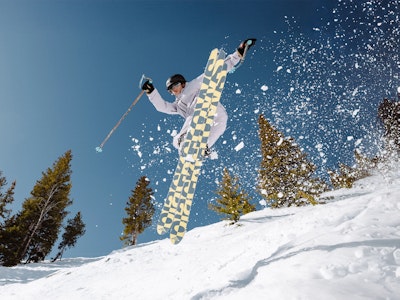
If you take a step back and look at skiing as a whole over the past ten years, this trend begins to make a bit more sense. Hard-charging, fall-line skiing, as a style, has become less popular, with modern big-mountain skiers opting to take a more creative approach to the mountain. As park legends like Candide Thovex, Markus Eder, and Sammy Carlson brought their tricks to the freeride arena, many skiers out there began emulating their approach.
Those skiers who were core to the hard-charging style are still out there, but they, too, are evolving. As bodies age, that 2,500-gram, 192 cm-long, ultra-stiff ski starts to feel burdensome. And as familial and professional obligations grow, and time on the mountain shrinks, some folks would rather hop on a friendly ski that doesn’t take a few laps to finally get under control.
If you’ve ever skied a classic all-mountain charger, you know that they’re no joke. Demanding proper technique and an aggressive skiing style, these planks punish those who get in the backseat or fail to commit to high-speed turns. On the flip side, those who can get on top of these skis are able to fly down some seriously impressive lines and are rewarded with an incredibly surefooted feel from the precision tools on their feet.
The ninjas out there who are able to make these two-by-fours look good are a rare breed, making up a very small percentage of the ski-buying population and often having brand affiliations that save them from ever having to take out a wallet at a ski shop. In the end, producing these high-performance, big-mountain skis just wasn’t financially sustainable for ski manufacturers.
For all the unapologetic, ultra-aggressive freeride skiers out there—there’s still hope. A few big brands are still invested in the classic charger, such as the Völkl Mantra 108, which continues to demand the respect of all those who click into its bindings. Additionally, anyone who has tried Blizzard’s new Anomaly and Black Pearl skis can tell you that it isn’t easy to find their speed limit. Furthermore, skiers who really want to dial in their speed can look to custom manufacturers like Telluride’s Wagner and Denver-based Folsom, which can produce a bruiser for even the strongest skier.
The charger didn’t disappear. It was simply outgrown. As skiing has evolved toward creativity, accessibility, and longevity, the gear has followed suit, prioritizing versatility over punishment and fun over fear. For most skiers, that’s an undeniable improvement. And for the few still searching for skis and boots that demand everything in return: those products were never meant to be mainstream. In 2026, the hardest-charging ski gear might be a little harder to find, but for the 99% of mere mortals in the skiing population, there are now more options than ever.