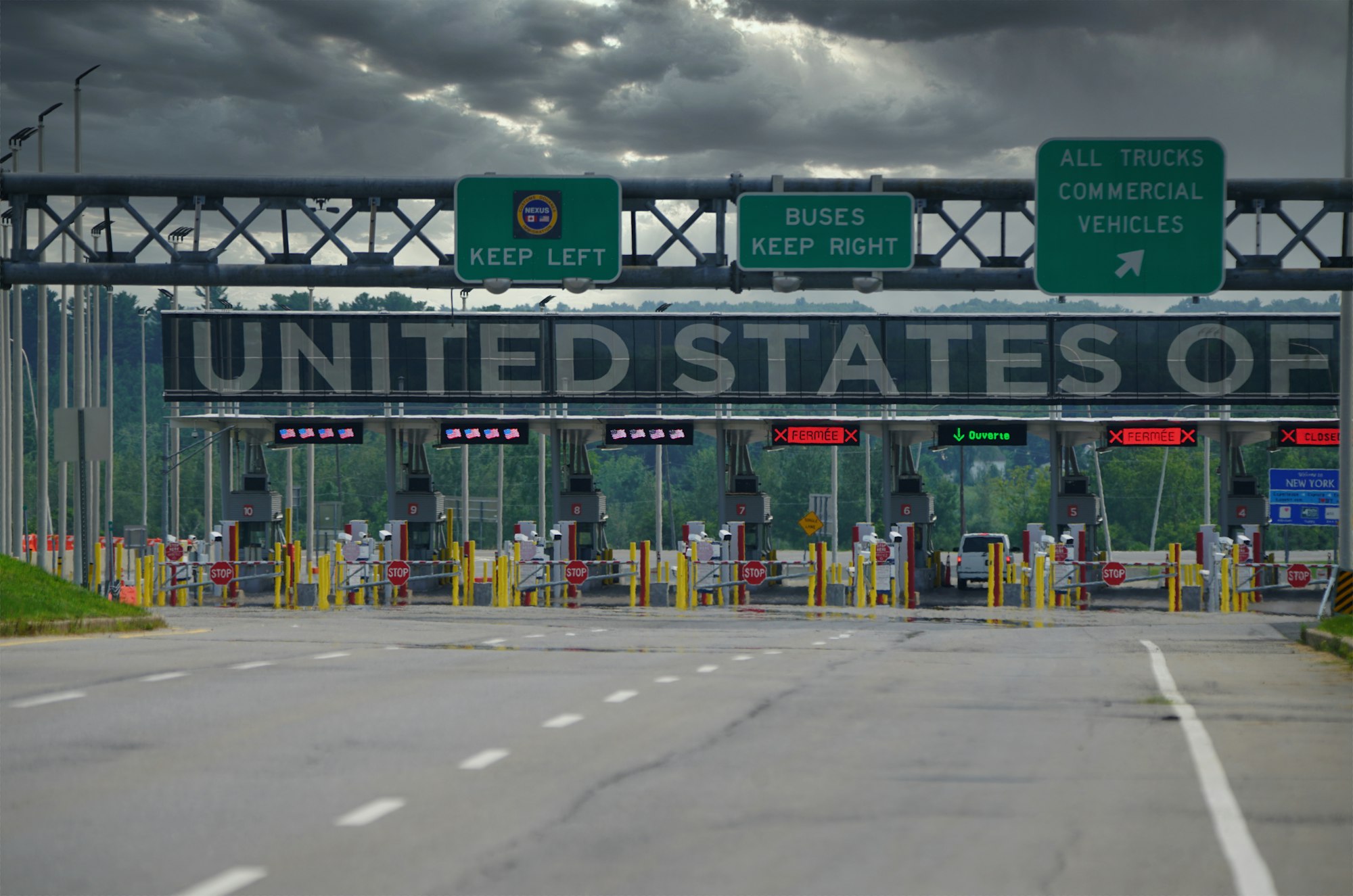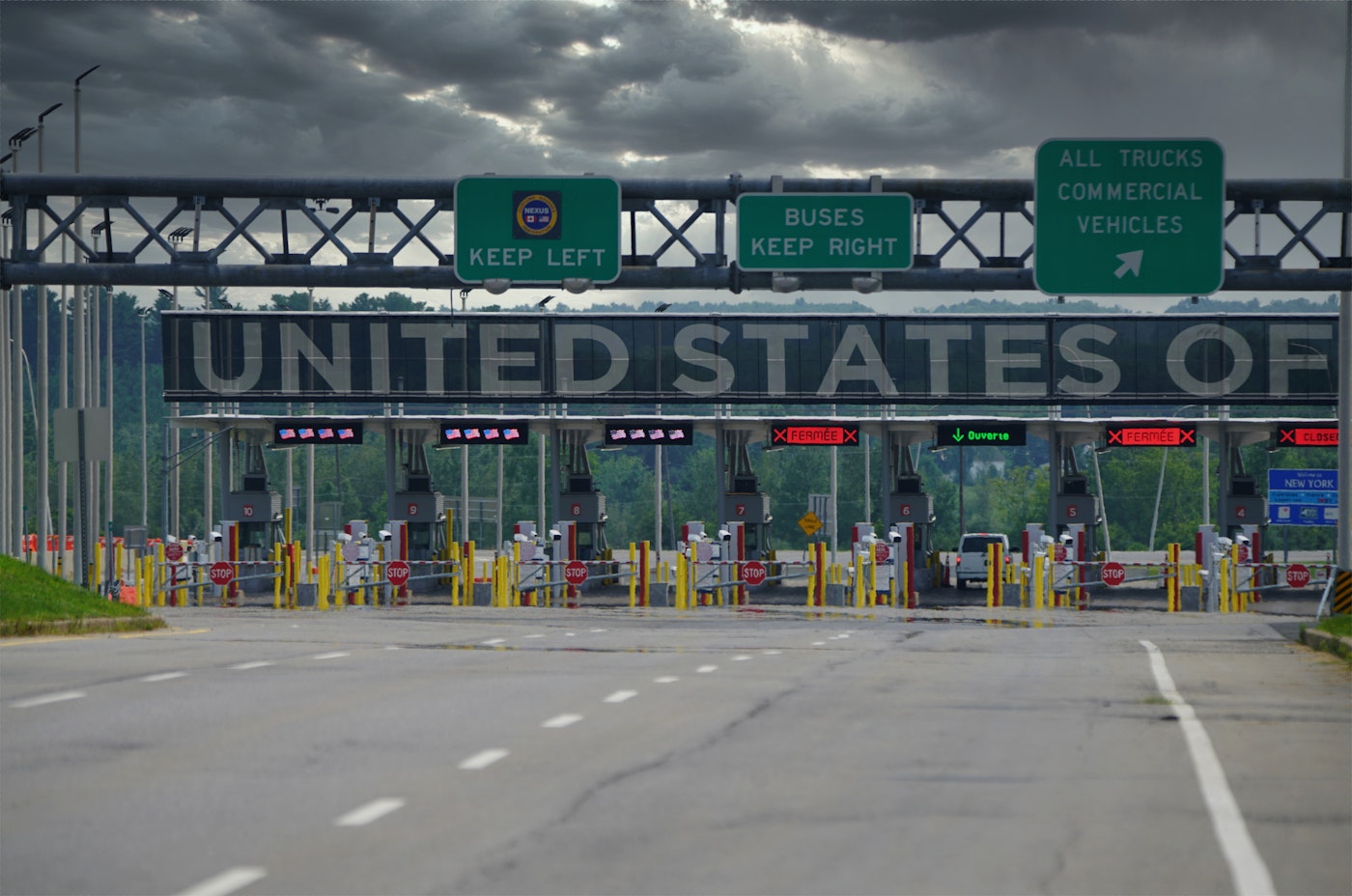
Snow wasn’t the only thing that fell short for many U.S. ski resorts this year, and the numbers show it. According to CBS , a survey from U.S. ski resorts found that Canadian tourism had dropped by 40 percent this season.
Canadians began “boycotting” travel to America after President Trump began making remarks in late 2024 and early 2025 about how Canada should become America’s 51st state. Trump’s harsh trade tariffs on Canada followed those remarks, further straining relations between the two countries.
Smaller ski resorts and towns like Whitefish Ski Resort in Montana, which sits about 60 miles from the border, felt the impacts this season. According to a CBS interview with Whitefish locals, they noticed the impacts almost immediately, with Canadian travel down by 25 percent in January and continuing throughout the season.

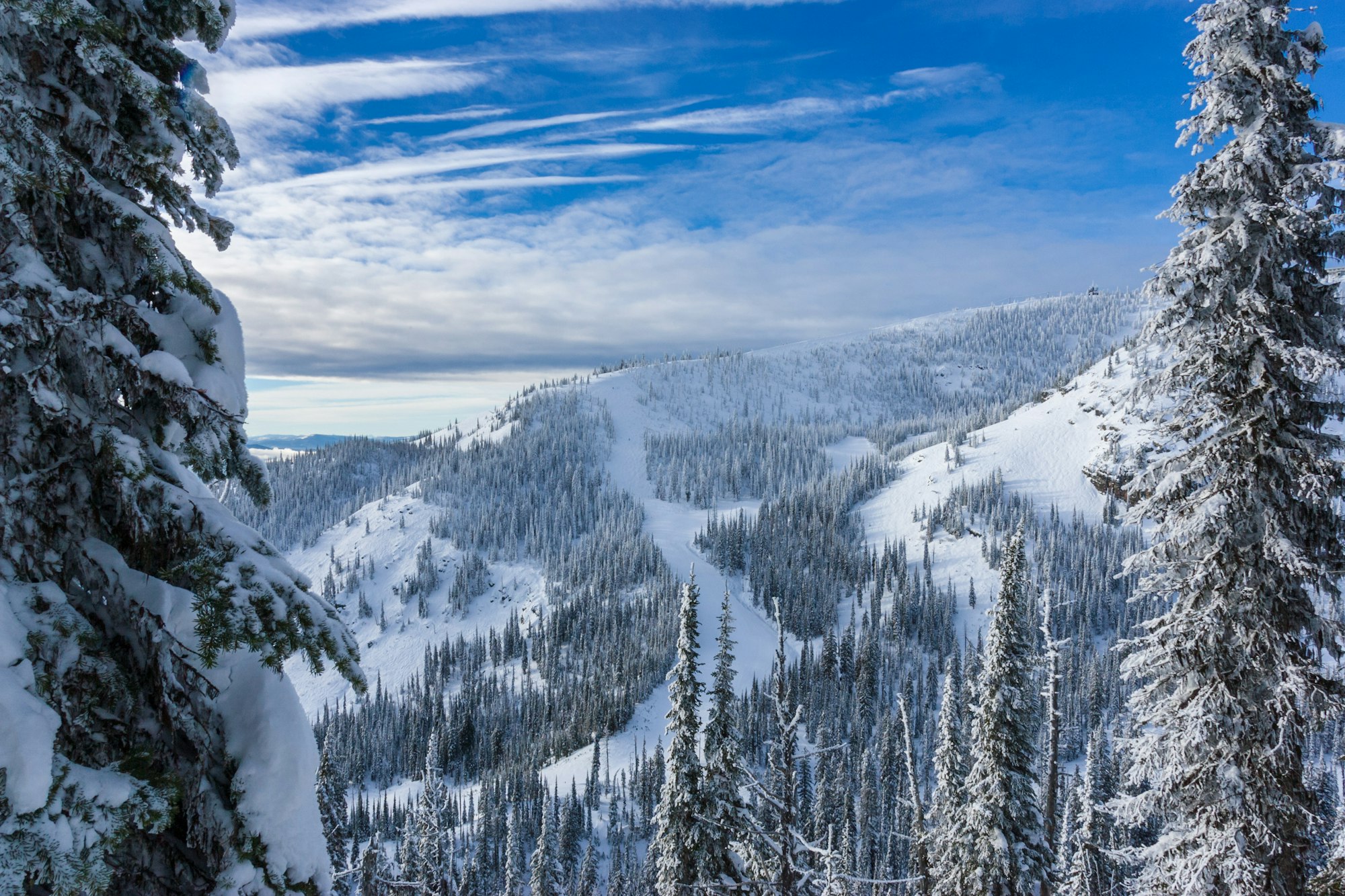
Jay Peak SKi Resort in Northern Vermont, just 9 miles from the Canadian border, also saw the effects, with 50 percent of its business coming from Canada, according to CNN . In an interview that CNN conducted with Steve Wright, President and CEO of Jay Peak, he said he first noticed problem last summer after talking to many Canadian season pass holders who told him that they would not be getting a season pass this year because “they just couldn’t, in good conscience, come to the States.”
This “boycott” of the U.S. could cost the U.S. $4.5 billion, according to The World Travel and Tourism Council. A drop in international tourism may also be seen this summer, as Trump implemented an “America-first” charge policy for international tourists visiting U.S. National Parks. The charge for international visitors entering the park is $100 per person, in addition to regular entrance fees. While bigger resorts that don’t share a border with Canada may not be seeing the effects right now, in the long run, if this continues, these effects may begin to ripple across all U.S. ski resorts. As we all saw this year, snowpack has heavily affected many ski resorts across the western half of the country, and with next year’s El Ninõ , the mix of these two effects could throw a few setbacks into the ski industry.
In the CBS interview, a local said, ” They hope the day comes when they feel comfortable and welcome back.”
![[GIVEAWAY] Win a Full 26-27 Ski Setup from Fischer](https://www.datocms-assets.com/163516/1790101711-00012060-edited.jpeg?w=200&h=200&fit=crop)
![[GIVEAWAY] Elevate Your Ski Season With a Custom Ski Boot Upgrade from Surefoot](https://www.datocms-assets.com/163516/1790362417-surefoot-remedy130-leaderboard-2240x1520.jpg?w=200&h=200&fit=crop)