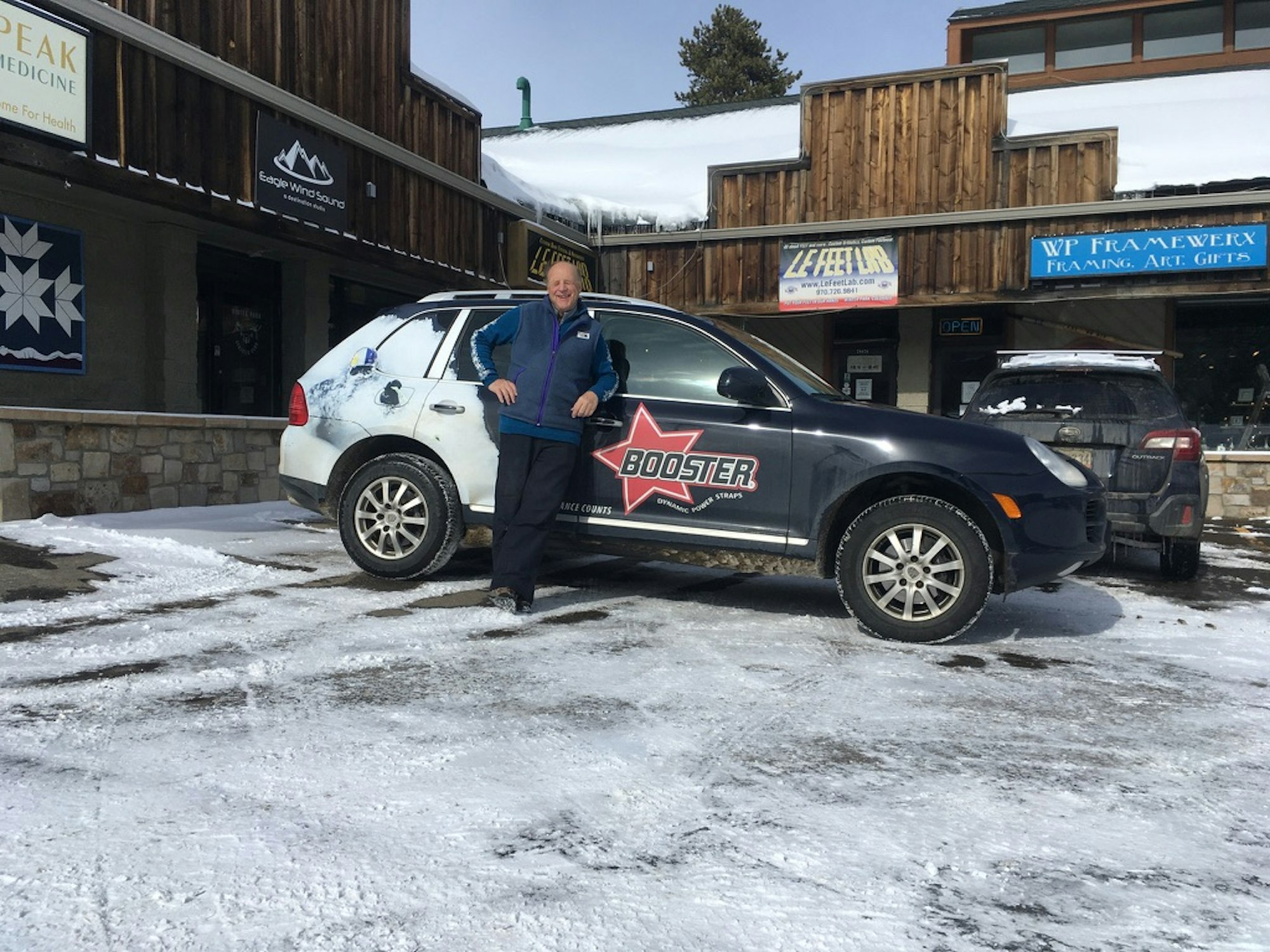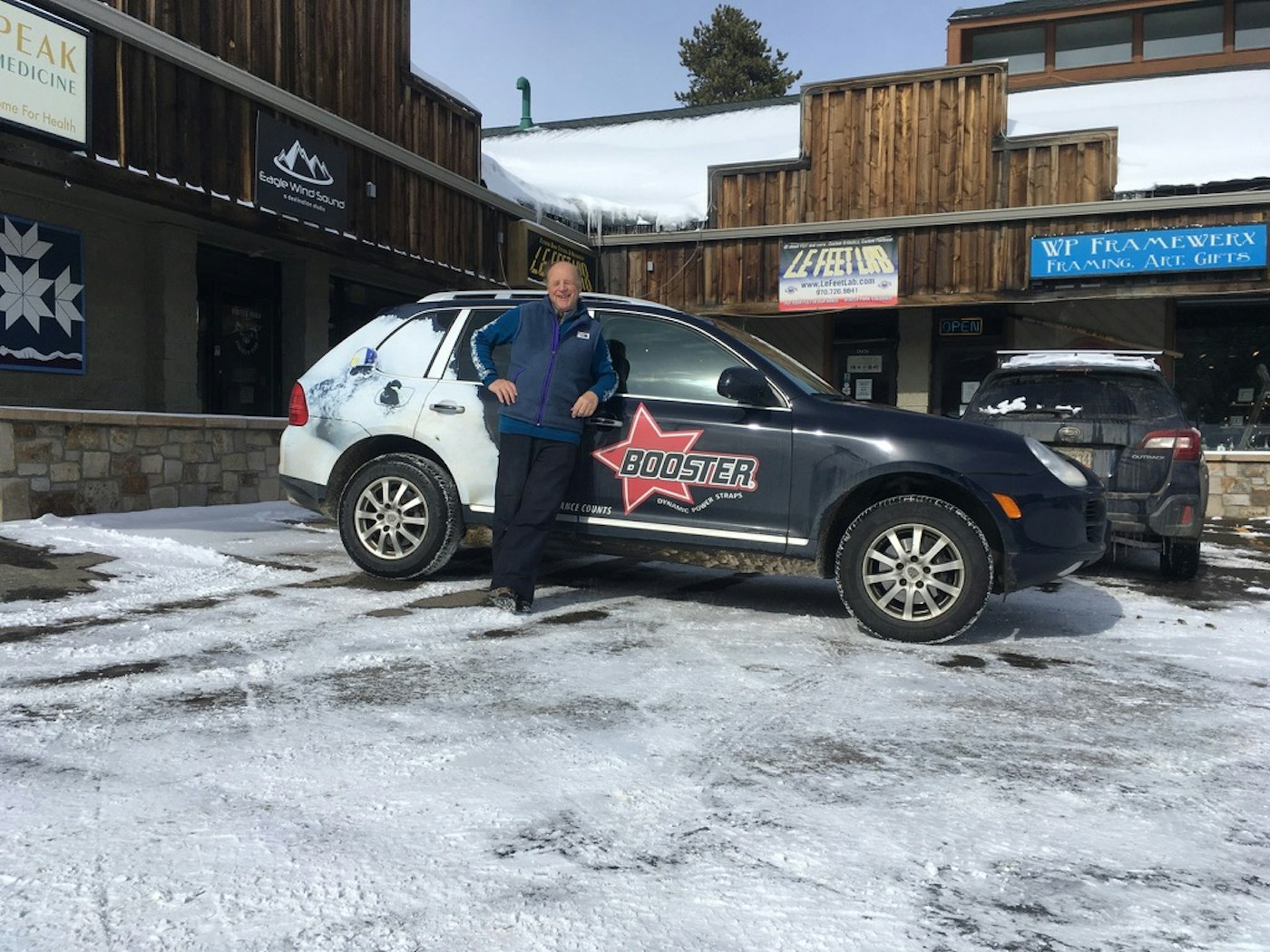
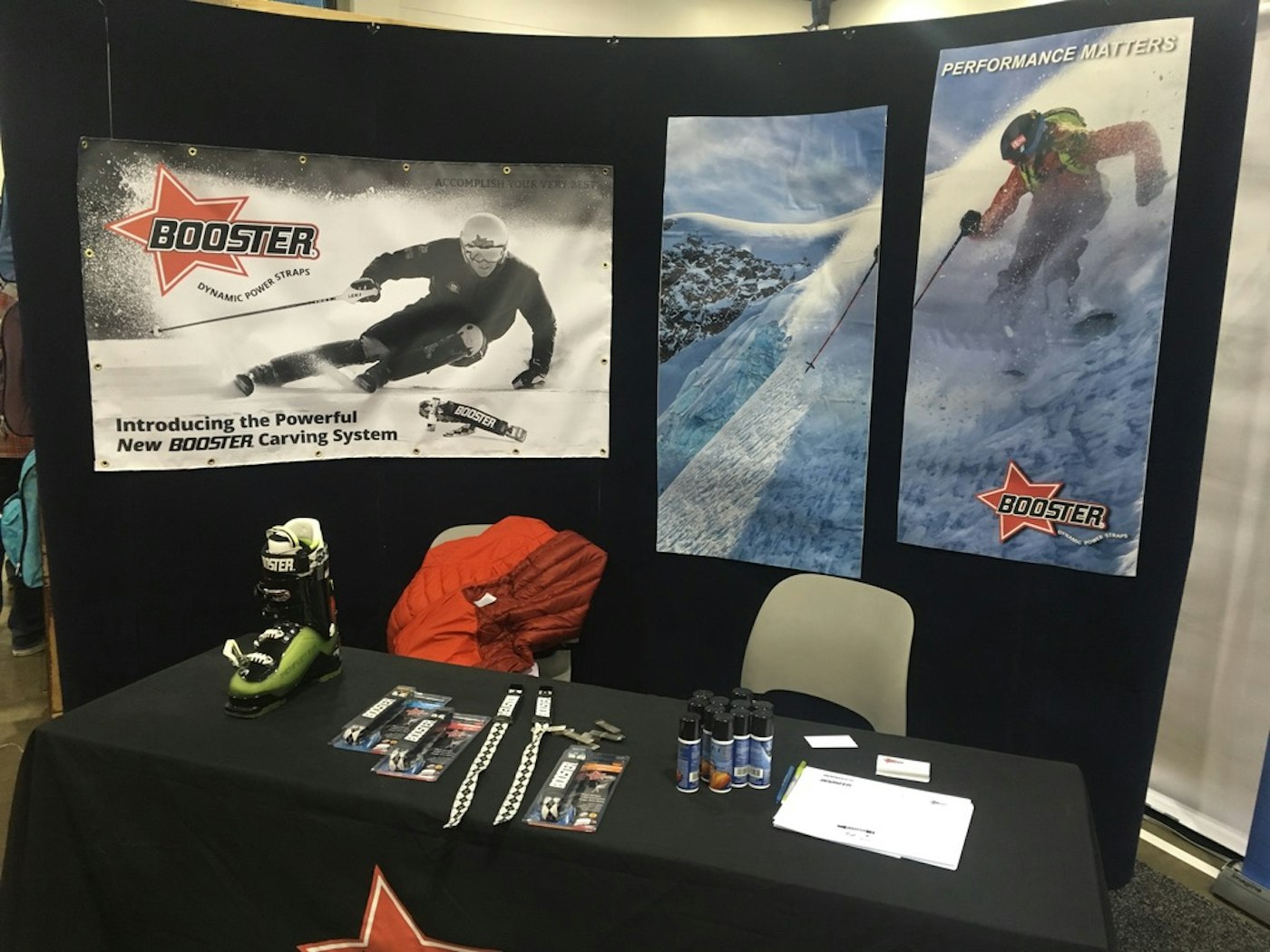
All Images: Courtesy of Booster Strap
Standing on the side of a slalom track during a frigid Northeast morning in the late ‘90s, Ray Fougere watched his team make their passes through the race course, pondering what could give his kids the edge in an upcoming competition. Over and over, the kids danced through the gates, seldom increasing their times.
“Drive your shin into the front of your boot” is a tip he would give them, occasionally, and one that’s been shared by friends and ski instructors for decades. This simple initiation of pressure and distribution of weight gets you out of the back seat and provides better leverage over your skis extensively. It’s the best piece of advice any skier can get. It was at this moment that Fougere had the idea to expand on this concept and create one of the most successful products the industry has ever seen.
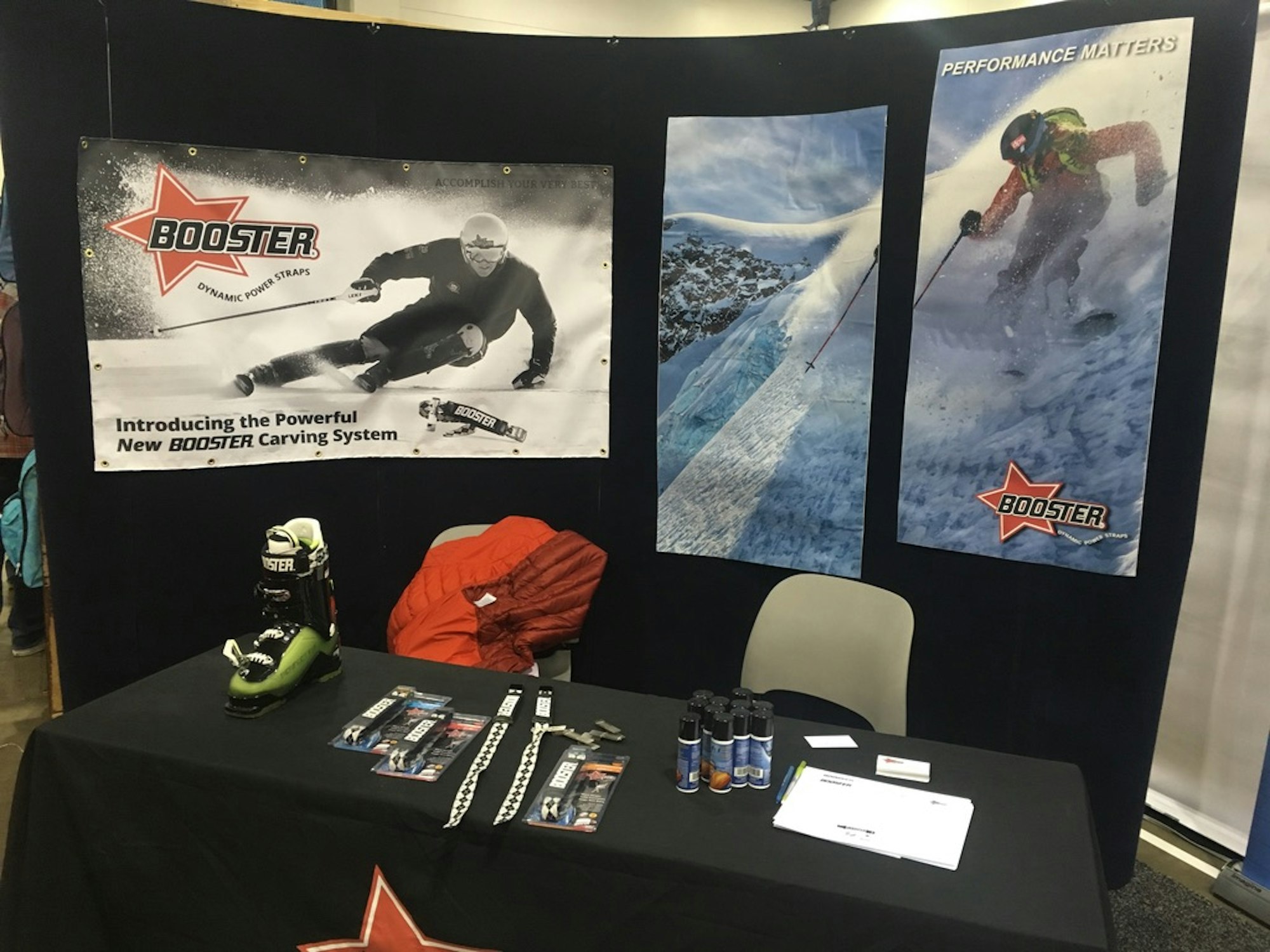
While watching a ski discipline that is decided in a fraction of a second. Fougere was breaking down the mechanics of a ski turn, and he had an epiphany. When initiating a turn, there are three primary components: the skier pushes against the boot, the ski is then forced into a turn and the boot transmits that energy between the two. While the first two variables are relatively unchangeable, the ski boot is where all the changes can be made.
Ski boots are notoriously a hot topic when it comes to fit. Too tight and they are unbearable. Too loose and they’re sloppy. But no matter how dialed this was in the late ’90s, sitting just above the plastic shell was a one-centimeter-tall power strap that would inevitably come loose. The power strap acts as the point of initiation in a ski boot and, when functioning correctly, holds the liner and shell close to your shin. By minimizing the gap here, you gain a quicker response and a snappier feel as you get your ski on edge. Fougere’s idea was to make it stronger and more elastic, securing the shell and liner to the shin. This was the missing link.
In the months that followed, he sought to test his hypothesis. He built his first prototype by wrapping a piece of webbing around the top of his ski boot and securing it with a buckle. “The first few turns were amazing,” Fougere recalls. “Until the first bump run, and I was instantly sent into the trees.” Despite the timber hiccup, he knew the concept had potential and began tinkering with different materials and strengths, eventually settling on an elastic webbing that the Booster Strap still uses to this day. After spending countless hours hand-sewing straps with a sailboat repair kit, he would have friends, and even his ski team, test each iteration as he figured out the ideal construction.
“I used racers as my guinea pigs when designing the Booster Strap,” Fougere jokes. “My team was ranked in the bottom third of our league before I started designing the Booster Strap, and when my kids started using it, they instantly jumped to the middle of the rankings.”
This was a strong indication that he was on the right track. By 1999, Booster Strap was an official company, but that was only the beginning. That same year, the company’s founder took his idea to the big stage at a U.S. Ski Team training camp. World Cup athletes took to it immediately, thanks to its lightning-quick initiation and snappier feel than stock power straps could produce. Over the next few years, the product’s popularity grew rapidly through adoption in World Cup racing and relentless guerrilla marketing at resorts and ski shops. Everyone who tried them returned with the same response: “I will never ski without Booster Straps again.”
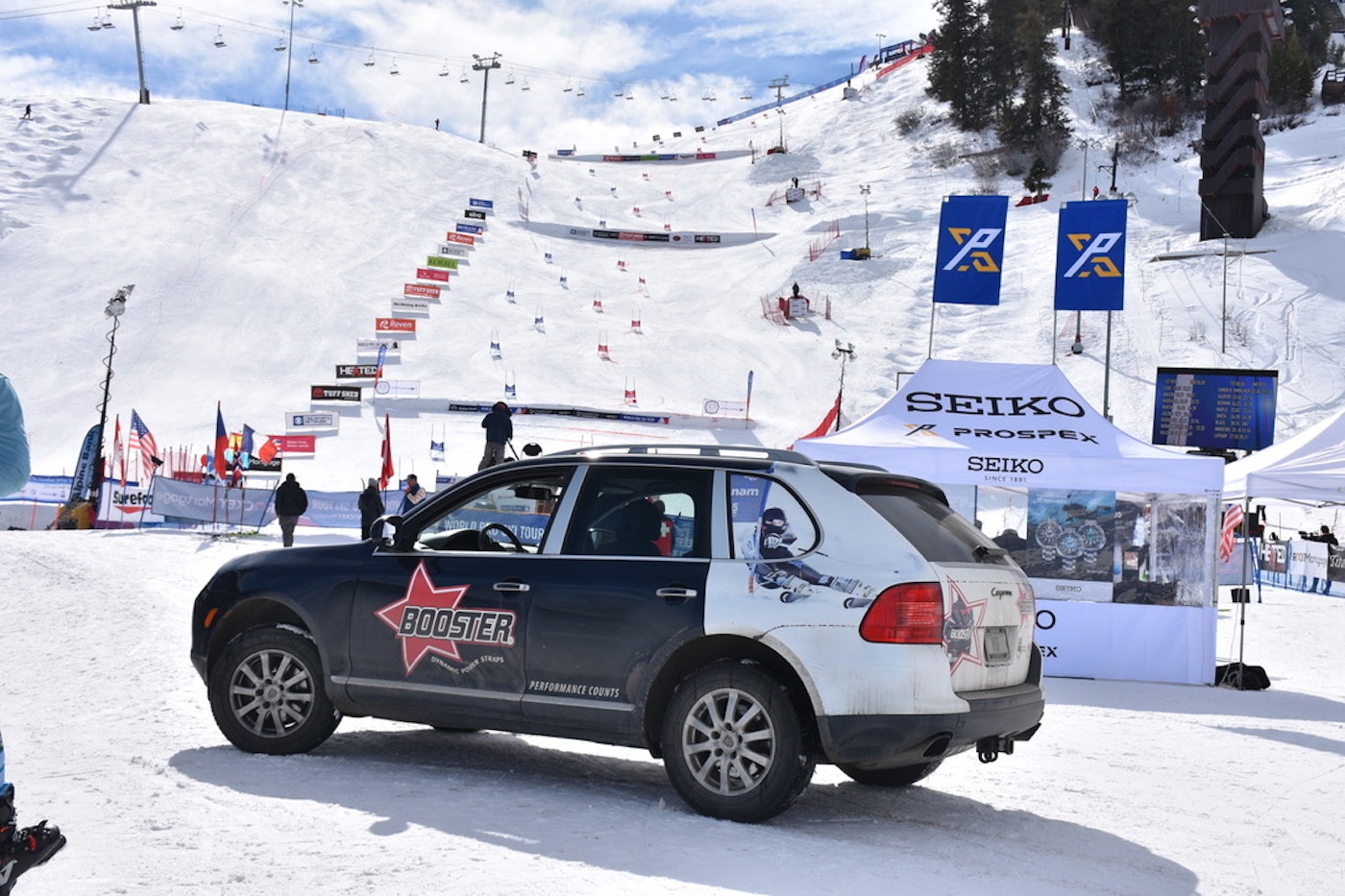
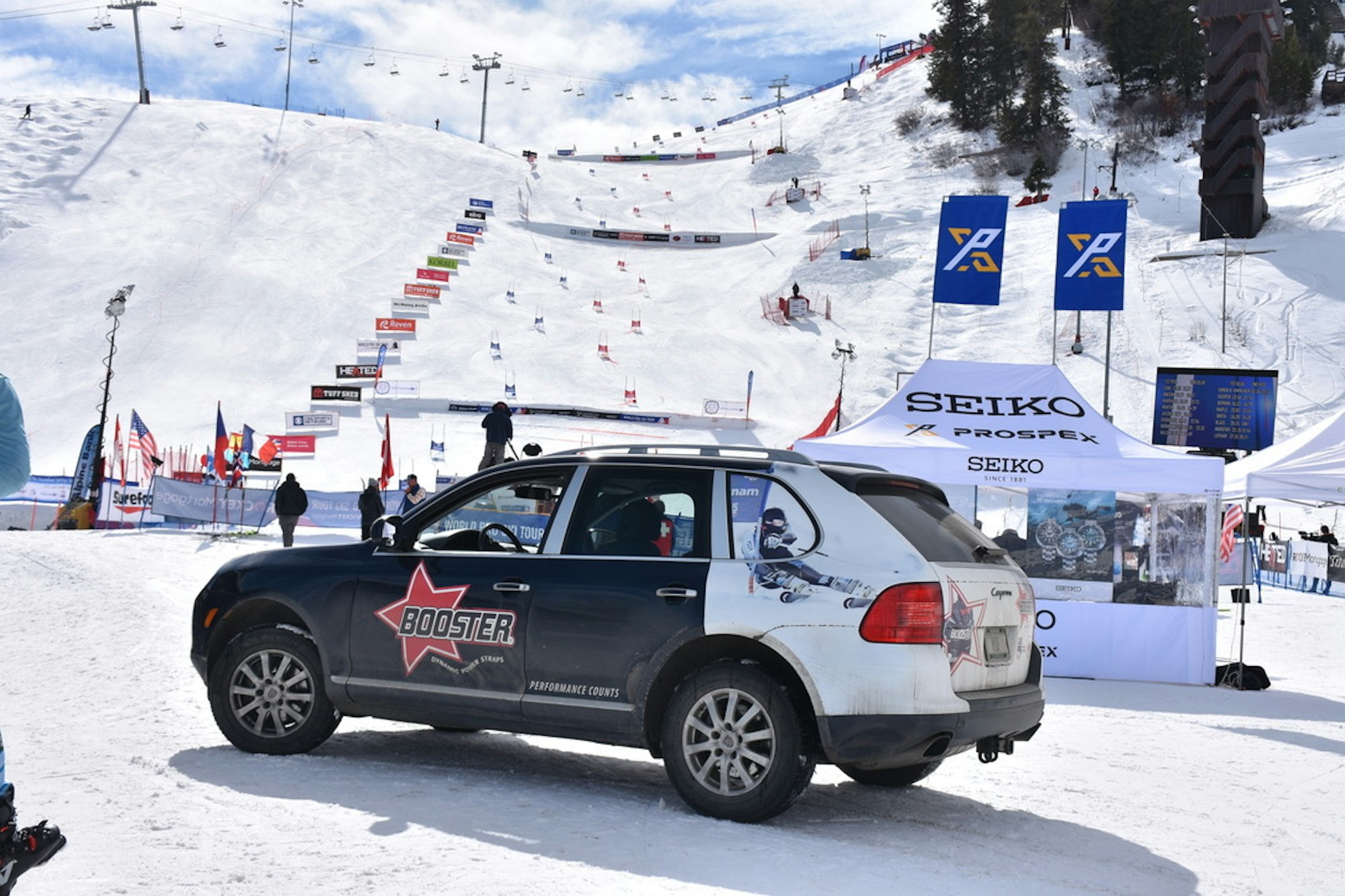
Fougere had seemingly cornered the race department, but the ski industry was so much bigger. Many ski racers don’t race forever, and as they transitioned to big mountain and freestyle disciplines, their Booster Strap came with them. Similar to its explosion into the racing world, the strap became a must-have product among freeride and freestyle skiers. Interestingly, this community didn’t adopt the product for improved turning performance, but for its ability to reduce the fabled shin bang.
This reduction in shin pain was never discovered by racers, but was an immense benefit for skiers sending it off cliffs and jumps. The same elastic suspension that makes the Booster Strap so effective when setting an edge also reduces shin bang in a big way. Keeping the liner, shell and shin tightly connected while airborne, even with little pressure on the front of the boot, allows the system to absorb impact as one. Upon landing, the boot and leg work together, rather than the leg closing the gap and slamming into the front of the shell. Just like that, the Booster Strap took off again with the freeride and freestyle communities. It would soon gain legendary status across the industry.
Today, the Booster Strap is one of the easiest and most popular boot upgrades in the industry thanks to a simple, durable design that fortifies the link between skier, boot and ski. Remarkably, every Booster Strap is still made in the USA, by two dedicated women and two industrial sewing machines. This small operation produces roughly 25,000 pairs per year and has sold more than 400,000 Booster Straps since the brand’s inception.