Featured Image: Keegan Rice | Skier: Tim Durtschi
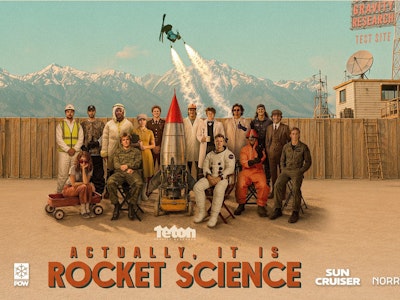
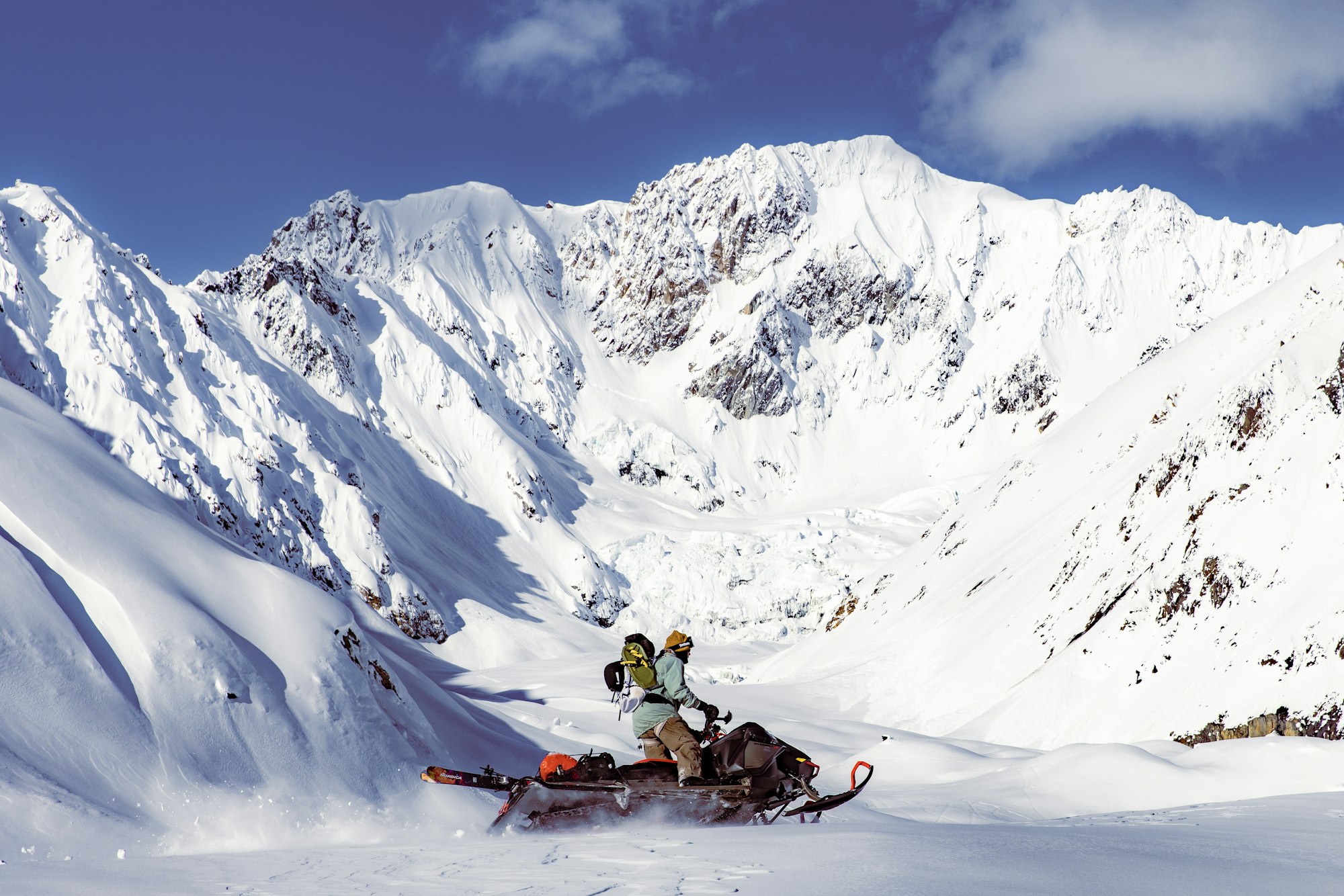
When your friend’s snowmobile dies in the middle of an Alaskan river, there’s not much you can do except laugh. At least, that’s how Tim Durtschi remembers it. In Teton Gravity Research’s 31st film, “Actually, It Is Rocket Science,” Durtschi, Colter Hinchliffe and Anna Tedesco meet up in Haines, Alaska to ski some of the state’s biggest lines. The crew uses snowmobiles to ride deep into the mountains, crossing rivers and traveling along what Durtschi calls “glacier highways.” But, in any science experiment, there are sometimes unaccounted-for variables that can throw things off course. Either way, you just have to roll with it, laugh and try again just like Durtschi and the crew did when a snowmobile died a soggy death.
The movie draws parallels between launching a rocket and skiing big lines as both require copious amounts of planning, training, teamwork and a little humility when things don’t go according to plan. After 13 years of filming with TGR, Durtschi has learned that skiing is the easy part. Once he’s standing at the top of a line, the skiing itself becomes instinct. What can feel like rocket science is the journey it takes to get there.
We talked with Durtschi about his experience filming for TGR in Haines with the crew, finding that flow state on big lines and why sometimes the journey is just as memorable as the ski lines.
FREESKIER: So the whole idea around TGR’s new film is “Actually, It Is Rocket Science.” I was wondering how much of what you’re doing is actually calculated versus instinct when your skiing these bigger lines
TD: I think the rocket science theme was really funny with Anna because Colter and I have a lot more experience with filming these big lines. So for us, it wasn’t really rocket science, it’s more instinct. We've skied a lot of lines before, so we kind of go through the motions of finding the line, assessing the snow, picking the line, looking at cliffs and sluff management. All the things that go into line skiing in Alaska.
For Anna, it was a little more like rocket science because she hadn’t really done the filming thing. But she is a natural at skiing so it was really fun to have that crew. We joked about the rocket science thing all the time because it’s funny how you can overanalyze things, and then your friends are like, “Dude, it’s not rocket science. Just go ski the line.”
Theres a lot of planning that goes into these trips. How often would you say the mountain and conditions change those plans once your actually out there?
It’s so funny, it’s like “skiing's the easy part,” as they said in Aspen Extreme. This whole trip was planned for Valdez, but with the avalanche conditions and the weather, we made a last-minute decision to go to Haines. That’s kind of where the trip starts off. You get that feeling of, “Are we even going to ski?” There are so many things that have to come together on these trips to get the A-plus shots.
When you’re finally standing on the line, you kind of forget about all that went into it and you go into that flow state of skiing and crushing your line. That’s why the rocket science theme is so funny. It’s a funny motto to live by because it’s a balance of putting in all this time and work into taking risks.
Flying rockets is a huge risk, a lot of them crash and when your rocket crashes, you just have to try to launch again, and that theme transfers over to skiing really well. You put a lot of work into getting to the top of the line and launching it, so to speak, and you’re just kind of crossing your fingers and hoping everything goes well. But you also know what you’re doing.
Once you're standing at the top, what does that flow state look like for you?
Once you get to the top of the line, it just becomes about skiing it the best you can. Do what you know and do it well. You’re not trying to reinvent the wheel. You’re just trying to shred as hard as you can. My whole ski career has been about pushing myself and skiing more technical terrain, but also having a lot of fun with it. You want to keep experiencing that flow state, and that propels the adventure.
As I get older as an athlete, it’s not so much about beating myself or one-upping what I did last year. It’s more about how I can make the experience more fun. Going to Haines was such an awesome idea because we were exploring a lot of new places I’d never been to and doing it in a different way.
I’ve done a lot of heli-skiing or cat skiing and lift-access trips, but this was a snowmobile trip with a lot of hiking to access Alaska lines. That’s something I’ve done a little bit in the past, but I’ve always wanted to do for a TGR segment. There are so many different ways to access the mountains, and that always keeps it fresh.

All Images: Keegan Rice
You've been doing these ski movies for 13 years now. How do you approach those big lines differently than you did when you were first starting out?
Doing this for so many years, there’s like a comfort that you get in the mountains, but you’re also chasing that feeling of vulnerability because the mountains are always changing. Even if you ski the same line twice, it’s never going to be the same. It’s going to have different nuances to it. You never get fully comfortable, so to speak.
One thing I’ve noticed is that I have a lot more experience to bring to the table. That’s what’s really fun about having an athlete like Anna on the trip, who’s newer. When I was starting out, I was looking to the older athletes for wisdom, guidance and assurance. It’s really fun to give that back on a trip like this with someone like Anna.
What did that look like on the mountain? How were you helping Anna with some of those bigger lines?
Definitely working together as a team to get the job done, helping her with line selection and letting her bounce questions off me. There isn’t a competitive nature to filming these lines. It’s more of a collaboration among athletes.
It’s about being there to answer questions and helping her feel comfortable with the situation we’re in. It’s big terrain and it’s always nice to have someone with more experience there to teach you and help you get in the zone to ski big lines.
The film also shows some of the things that can go wrong while trying to access the mountains, like the snowmobile getting stuck in the river. How does that connect to the rocket science idea for you?
It’s interesting because there’s always this drive to explore. It’s similar to astronauts exploring space with rockets. We want to explore the mountains with snowmobiles and helicopters. We kind of touched on it in our segment, that it was difficult to access the mountains with snowmobiles. We had to cross a river, and one of the snowmobiles ended up in the water. Colter says something funny where he's like, "When you see your friend's snowmobile die in the middle of the river, all you can do is point and laugh."
We just had to have an attitude of humility. We’re trying to access these mountains with snowmobiles, but there are all these obstacles. You can’t really get mad when your snowmobile dies in the middle of the river. You have to have humility and just be like, “Well, that’s the way she goes.”
There are a lot of moving parts and a lot of technology involved, and these machines kind of have a mind of their own sometimes. If you’ve ever seen some of those rocket launches where the rocket explodes or starts going down instead of up, you can’t really be mad. Without the failures, the successes wouldn’t be as rewarding. I’m really happy with the movie this year. I think the rocket science motto has so many connections to filming a ski movie.
What was your favorite part of filming in Haines?
As much as skiing the lines and seeing the ski footage we got was awesome and rewarding, those times when your friend's snowmobile stops in the middle of the river are pretty hilarious. Those are some of the best memories.
We had eight people who needed to cross the river, and we were like, “Well, at least one of us isn’t going to make it.” Those funny moments kind of stick with you. At the end of the day, you’re doing something that’s kind of crazy, and that’s where the term “it’s not rocket science” comes into play.
It sounds like the experience of getting to the lines and working together as a crew was just as special as the skiing itself. What makes that teamwork so memorable?
That’s the really cool part about it. No one launches a rocket by themselves. It takes a team, and we don’t get to ski these amazing places without teamwork and people working together.
Getting everyone across the river safely is just a small piece of the puzzle. None of us would be going out there alone. That’s really what makes it so fun and memorable. We’re all working together to pull it off, and then we get to watch the movie, celebrate and laugh at all the BS we put ourselves through to get the job done.
![[GIVEAWAY] Elevate Your Ski Season With a Custom Ski Boot Upgrade from Surefoot](https://www.datocms-assets.com/163516/1790362417-surefoot-remedy130-leaderboard-2240x1520.jpg?w=200&h=200&fit=crop)