All Images: Courtesy of The Ski Monster
Whether you’re new to the sport or have been skiing your whole life, buying new ski boots can be a daunting experience. First-time buyers might not know what to look for or feel uncomfortable asking a “dumb” question. Experienced skiers might still have PTSD from a pair of boots that left them questioning if they even liked the sport.
We asked George Michaelsen, founder of The Ski Monster and an expert boot fitter, what skiers should consider before buying their next pair of dancing shoes. He shared his approach, common misconceptions and what matters most when finding the right fit.
01: Forget Your Shoe Size
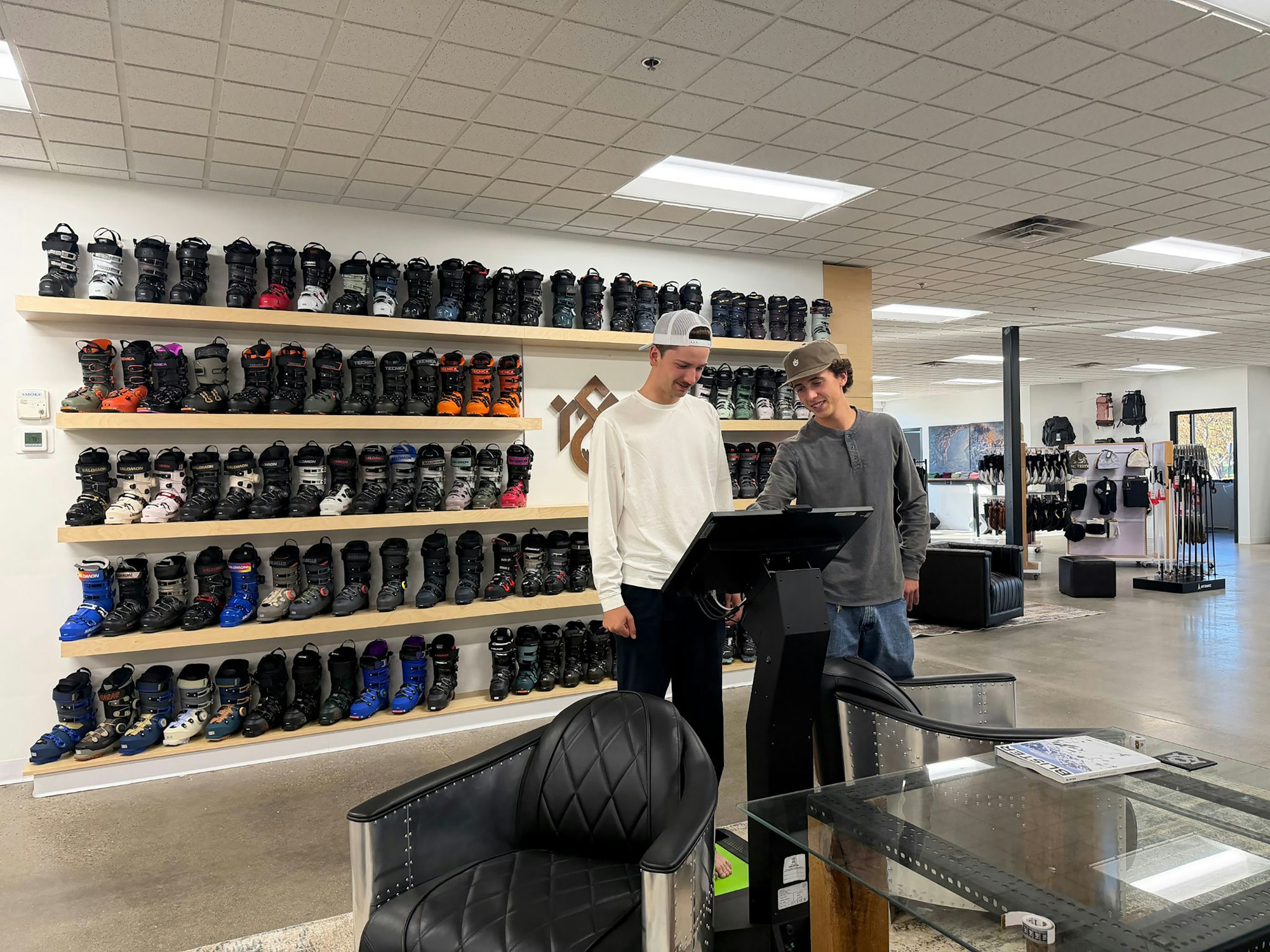
The most important part of finding the perfect ski boot is getting the size right. Michaelsen pointed out that most people, particularly men, wear shoes that are too big. Always be sure to have a boot fitter properly measure or scan your feet to get an accurate size.
“The amount of people who are in boots that are too big is huge,” Michaelsen said. “They’re having problems because there’s too much volume in there.”
Excess space allows your feet to move around, reduces responsiveness and makes balance more difficult. While it might sound counterintuitive, a bigger boot doesn’t necessarily mean a more comfortable fit. Arch fatigue, toe bang and shin pain can all be signs of oversized boots.
02: Customize Only What's Necessary
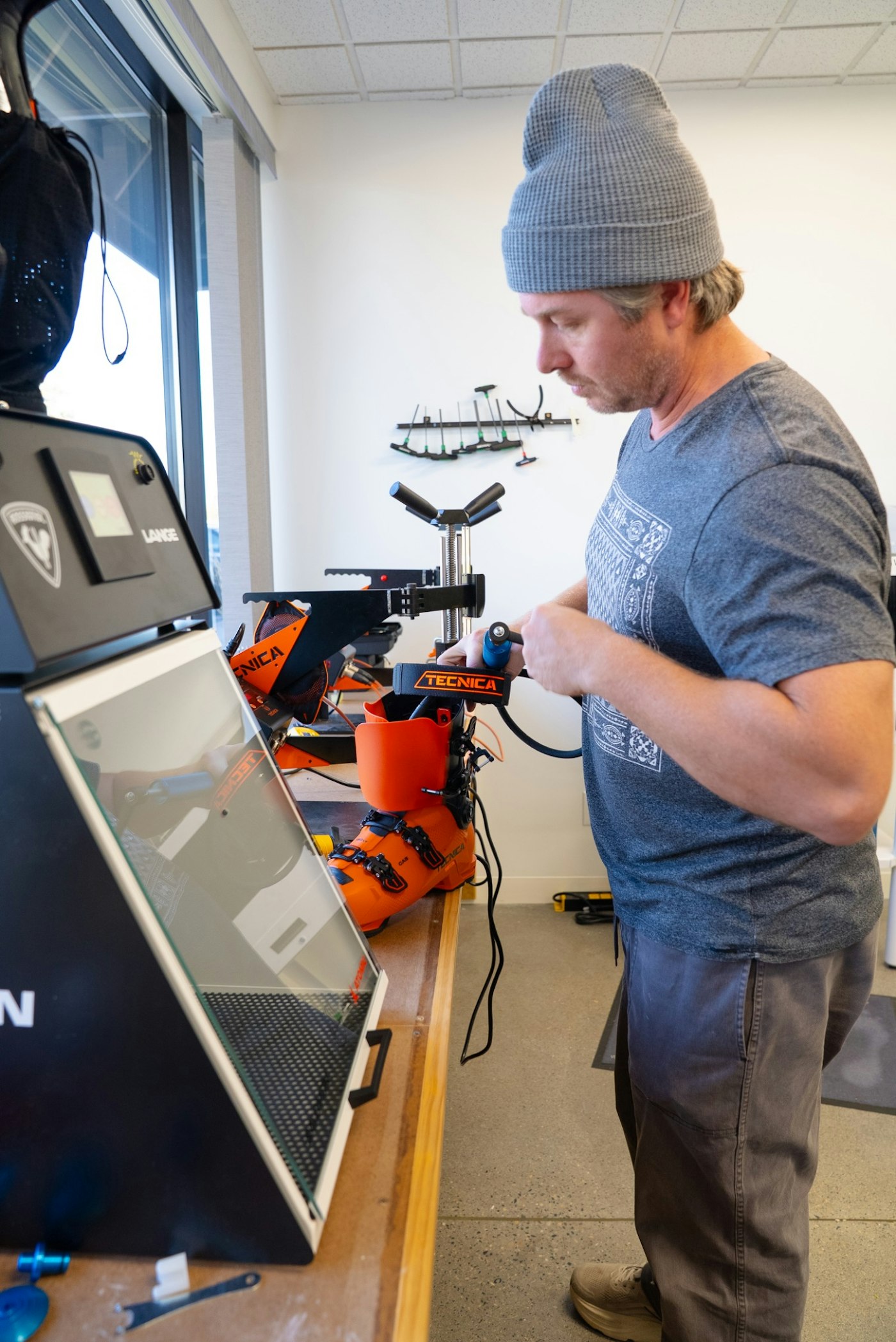
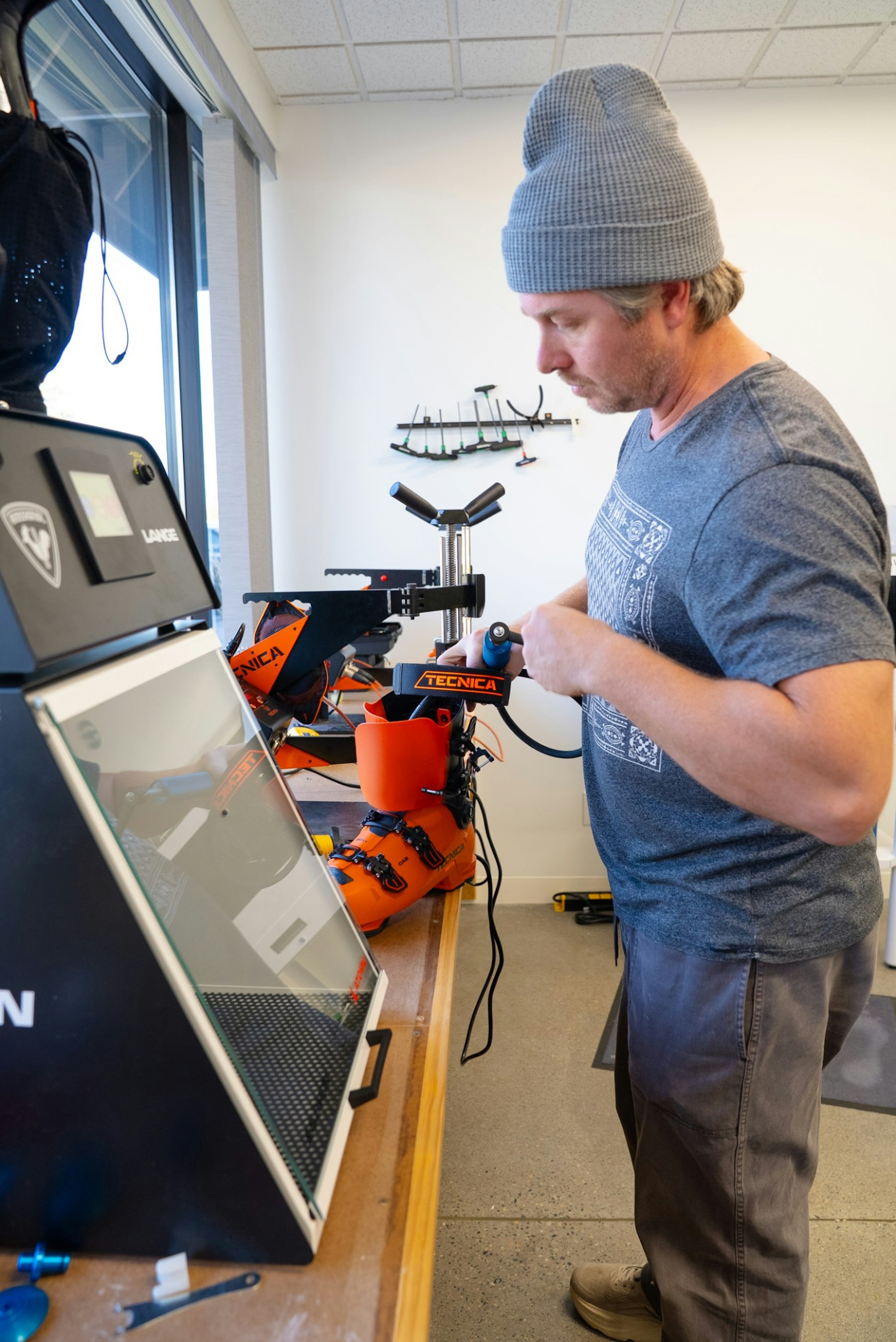
Unless you’re dealing with a highly irregular foot shape, a good boot shell shouldn’t need a ton of modifications, and more customization doesn’t automatically mean a better fit. Footbeds, liner molding and shell modifications should address actual needs, not compensate for a boot that wasn’t the right fit to begin with.
“Just because you have a bunch of work done doesn’t mean you have a great boot,” Michaelsen said. “You might have a complicated situation.”
Custom footbeds can help support and stabilize your feet, while heat-molded liners and targeted shell modifications can address specific pressure points. The goal isn’t to reshape the entire boot around your foot, but to fine-tune an already good fit.
03: Don't Overlook Boot Flex
According to Michaelsen, many skiers underestimate the importance of boot flex, or how stiff the boot feels when you try to flex into it.
“A large portion of skiers worry they’re going to be in too much boot versus not enough,” Michaelsen said.
Flex shouldn’t be determined solely by skiing ability or the number printed on the boot. A common misconception is that inexperienced skiers should be in a lower flex, but when a boot is too soft, it’s actually harder to stay in an athletic position. Flex ratings are also not uniform throughout the industry, so one boot may feel stiffer than another of the same stated flex. Michaelsen recommends comparing
a few boots with similar flex ratings and volumes.
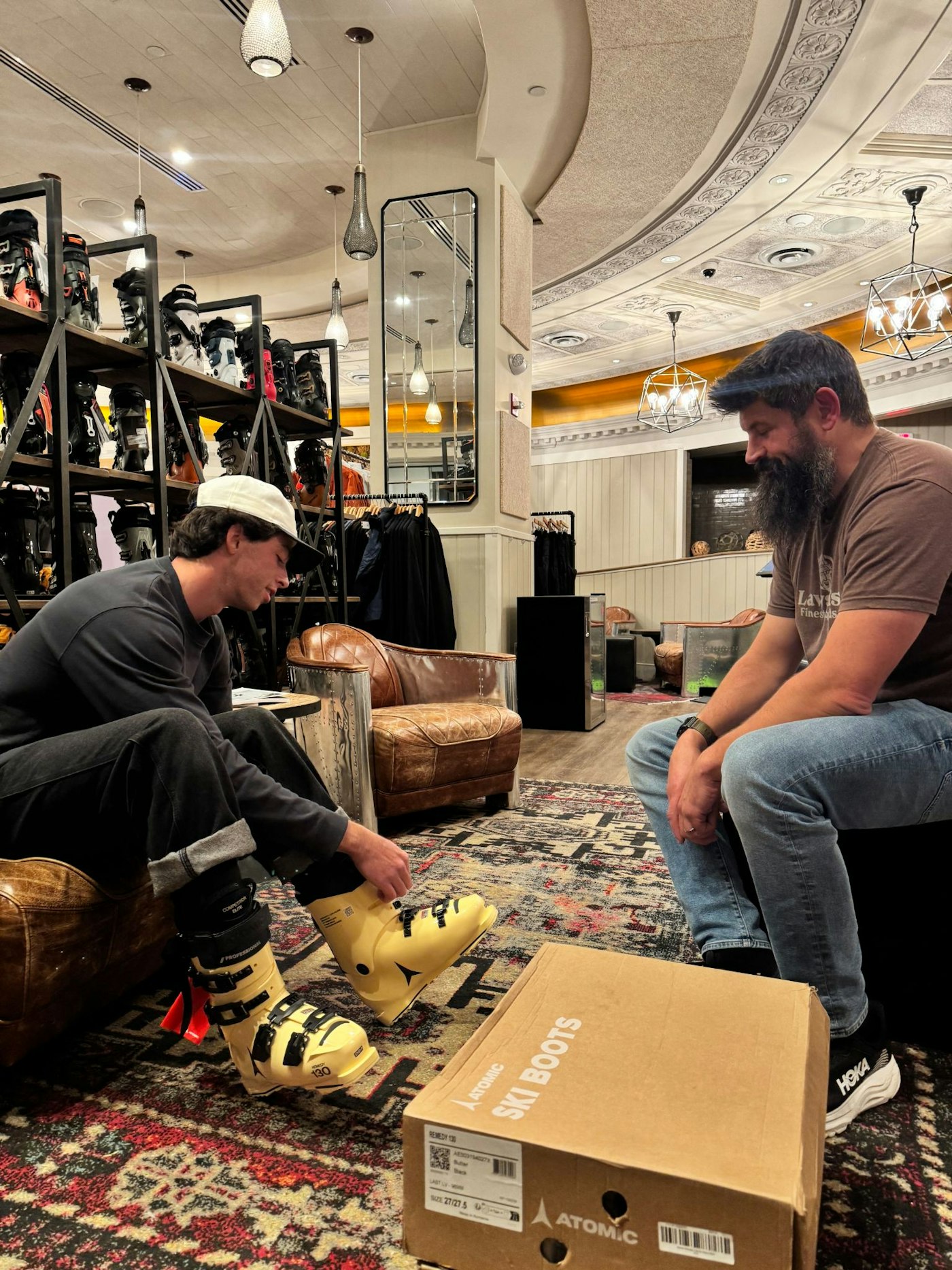
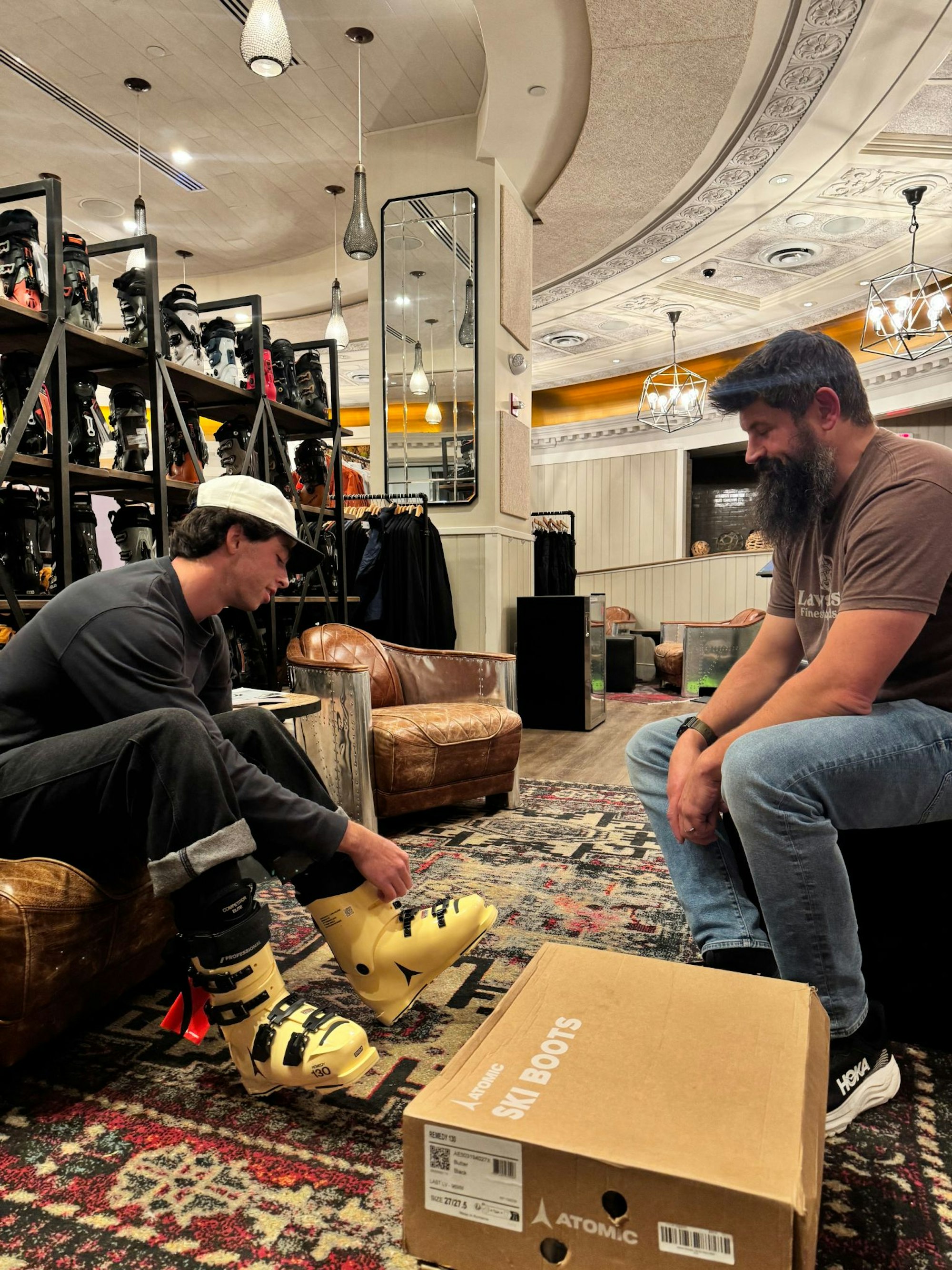
When trying on boots, make sure you can flex forward into the cuff while maintaining a secure, supported position. A boot that’s too easy to flex may not provide enough support and a boot that’s too stiff can kick you into the backseat. Both compromise balance and control on snow.
04: Make Sure Your Heel is Secure
In addition to adequate compression, a locked-in heel is paramount for control and comfort. If your heel lifts or shifts when flexing forward, there could be a couple reasons.
A boot that’s too long, wide or high-volume won’t hold your entire foot securely, no matter how tight you buckle down. Secondly, if you have limited ankle mobility, you may not be able to flex comfortably into the position required by that particular boot, causing you to compensate by lifting your heel.
An experienced boot fitter can help determine whether the issue is the boot’s fit or your ankle mobility and recommend the appropriate adjustments.
05: Understand What a Proper Fit Feels Like
Snug doesn’t necessarily mean painful. A properly fitted boot should provide uniform, consistent pressure throughout the foot and minimal movement, without restricting circulation or creating pressure points. The key is understanding your individual tolerance for compression. What feels comfortable to one person might be unbearable to another.
Everyone’s feet are different, even with identical measurements. Previous injuries, surgeries, sensitivities and personal comfort all factor into how a boot should fit. Michaelsen described the ideal feeling as a “firm handshake,” with a secure hold that makes the boot feel like an extension of your foot.

06: Consider Using Boot Heaters
An unexpected final tip from Michaelsen is to consider boot heaters if you struggle with cold feet. Nothing can ruin a great day on snow faster than numb or painfully frozen toes.
Beyond warmth and comfort, Michaelsen said adding electronic heaters to his own boots noticeably improved his skiing. “My balance is better. My reaction time is way faster...It’s unreal.”
Michaelsen admits the stigma around heated boots initially held him back, but eventually decided, “I just don’t want to be that guy complaining on a chairlift.”
A good boot fitter will ask targeted questions so they can recommend the boot that’s built for you. But they’re human and you know your body better than they do. Communicate what you’re feeling, including pressure points, discomfort and personal preferences. Don’t choose a boot simply because of its color, brand or what your favorite athlete wears.
A properly fitted pair can last longer than much of your other ski gear, so it’s worth taking the time to get the fit right from the start.
The Ski Monster offers ski bootfitting in Boston and ski bootfitting in the Twin Cities , with appointments available online at both locations.


