All Images: Courtesy of Rossignol Groupe
The ski industry has always been deeply rooted in European culture, traditions and styles. With destinations like Chamonix, Verbier and Zermatt topping many skiers’ bucket lists, it’s been a natural state of affairs for iconic European brands to take the lead on technical innovation and product marketing. For decades, the model was simple: product lines, brand stories and seasonal messaging were all developed in Europe, translated into English and deployed, largely unchanged, across the United States and Canada.
That model worked well, until it didn’t.
Over the past 5 years, the North American ski market has grown larger, louder and more culturally influential than ever before. What was once seen as a secondary audience is now, for many European brands, the single largest market by revenue, participation and growth factors. Resorts across the continent continue to expand, backcountry participation is still surging and skiing has embedded itself into broader lifestyle and outdoor culture. As a result, many European brands are now rethinking their tightly held grip on the marketing reins and granting their North American marketing departments significantly more autonomy. The shift isn’t just cosmetic. It’s structural, cultural and measurable.
From Translation to Interpretation
Historically, US and Canadian marketing teams operated more like distributors than storytellers. Campaigns were sent over from Europe, assets were slightly modified and timelines were set to global calendars that didn’t always align with North American snow cycles, media habits or consumer behavior. While the core product stories remained strong, the emotional connection was often lacking because as beautiful and aspirational as they were, the campaigns were not always relatable.
Now, we’re seeing a major shift. Brands are moving from translation to interpretation. The Europeans are empowering North American teams to take global brand direction and express it through a North American lens. That means rethinking everything from social media tone to athlete selection to how and when products are introduced.
The reasoning is straightforward. North America isn’t just buying more gear and spending more time on snow. It is shaping global ski culture.
Social Media as the Leading Indicator
Perhaps the most visible indicator of this shift toward continental autonomy is on social media, where brands like Salomon and Peak Performance are leading the charge. Salomon operates its social channels with a heavy North American-influenced tone, pacing and personality. Instead of relying on global, race-driven narratives, Salomon’s North American presence highlights freeride culture, regional athletes and terrain that resonates with skiers from Utah to Quebec.
This autonomy makes content feel timely and relatable, rather than ambiguous and pre-planned. It enables teams to respond to storm cycles, film tours and ski trips in real time. The result is higher engagement, stronger community loyalty and engaged social feeds that feel less like brand catalogs and more like true brand presence.
Peak Performance has given its North American teams more room to interpret the company’s alpine heritage and Scandinavian campaigns through a freeride-focused lens. The clean lines and technical precision of the products remain unmistakably European, but the marketing presence and storytelling now feel familiar to North American skiers.
Both of these cases have yielded clearly positive results, with the teams employing their newfound independence to establish stronger connections with North American skiers.
Athletes as Cultural Translators
Granting more autonomy also means rethinking the athlete's strategy. European rosters have traditionally leaned heavily on FIS World Cup, Freeride World Tour and alpine racing athletes. While that heritage is important, North American teams are increasingly trusted to build broader rosters that balance the scales between disciplines.
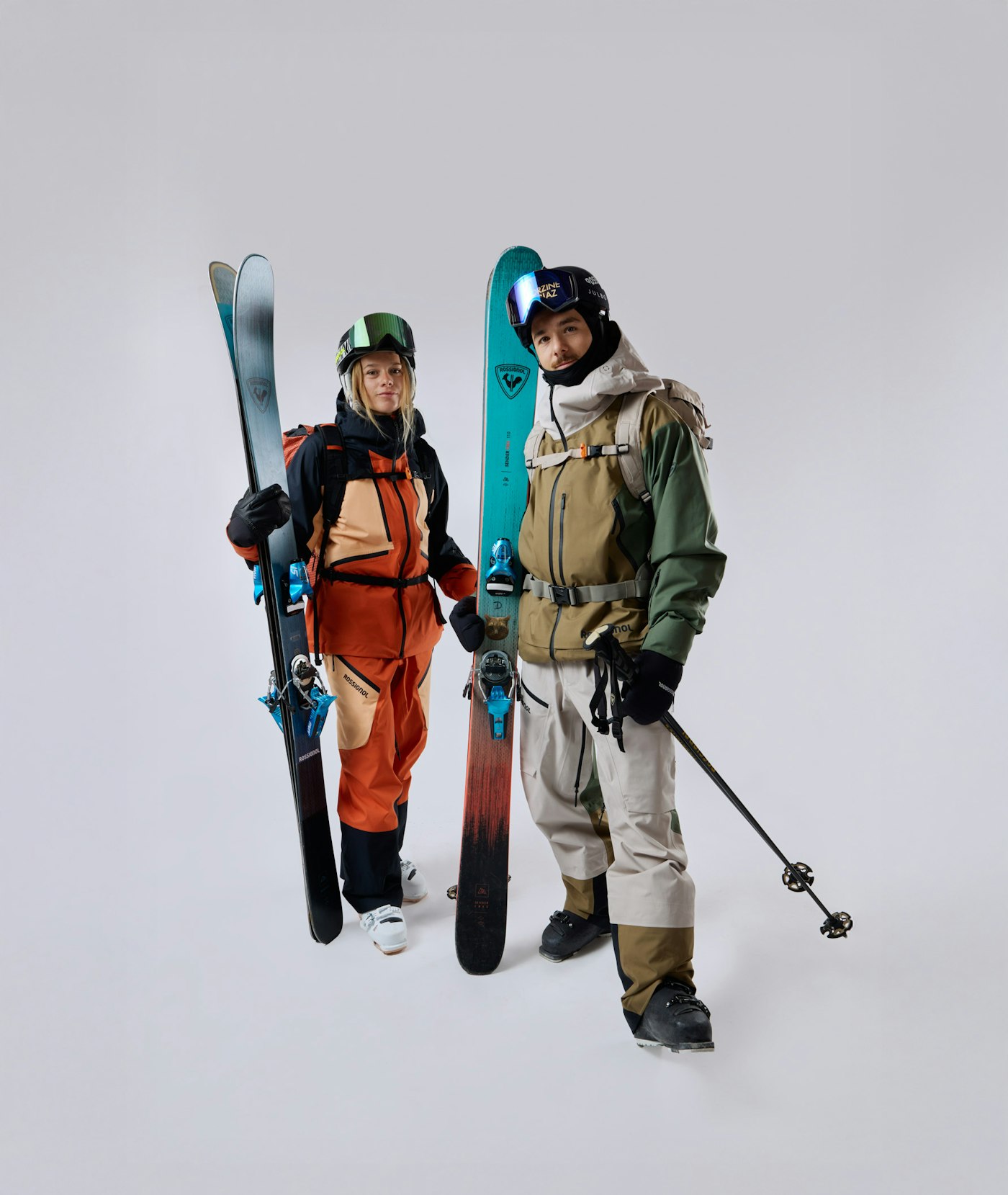
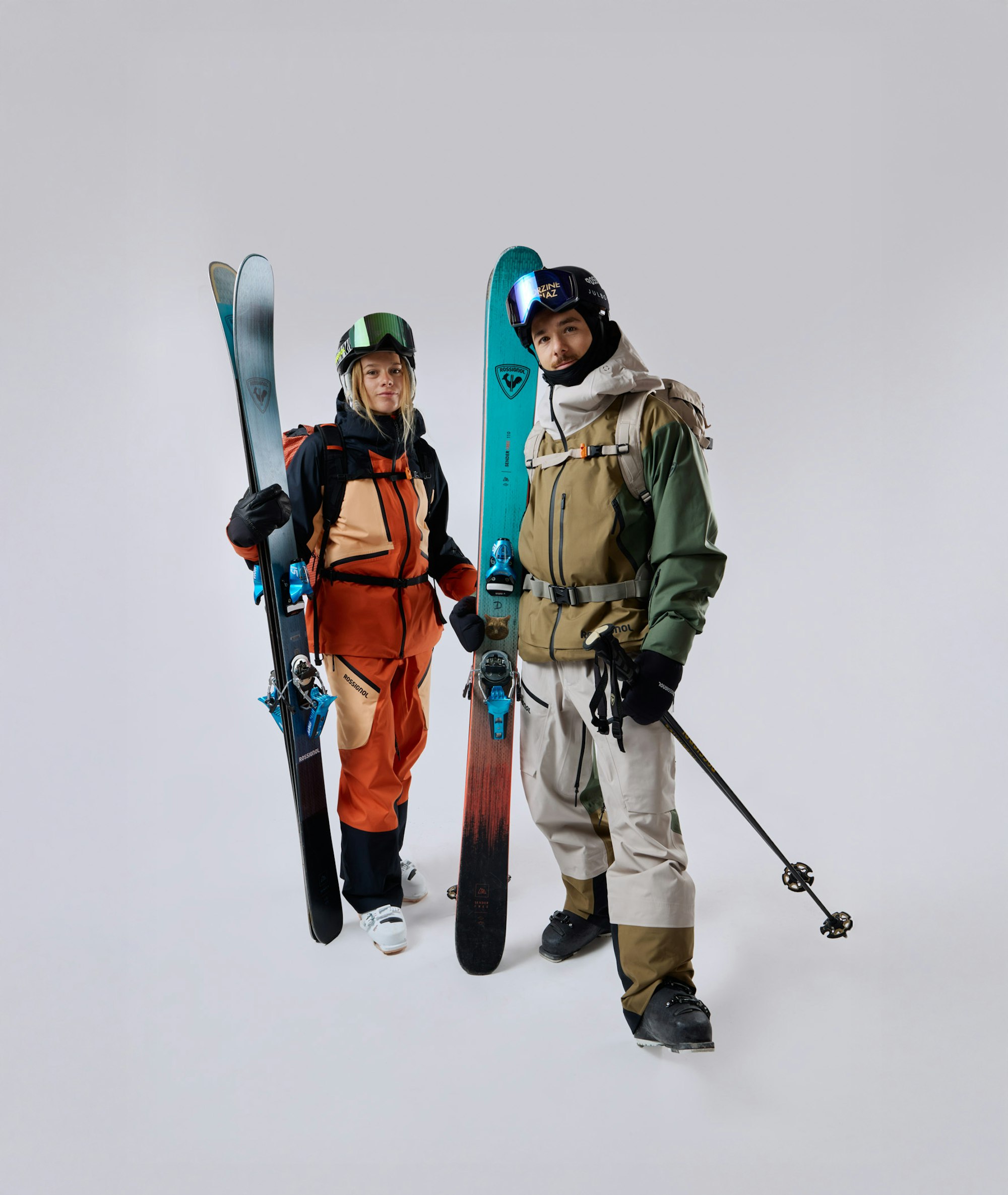
Brands like Rossignol have effectively leaned into this approach, pairing globally recognized athletes with a diverse mix of freeride skiers, film athletes and Nordic racers. More than just local additions to global campaigns, these athletes play important roles in product storytelling, social content and grassroots activations. They connect elite performance with everyday ski culture.
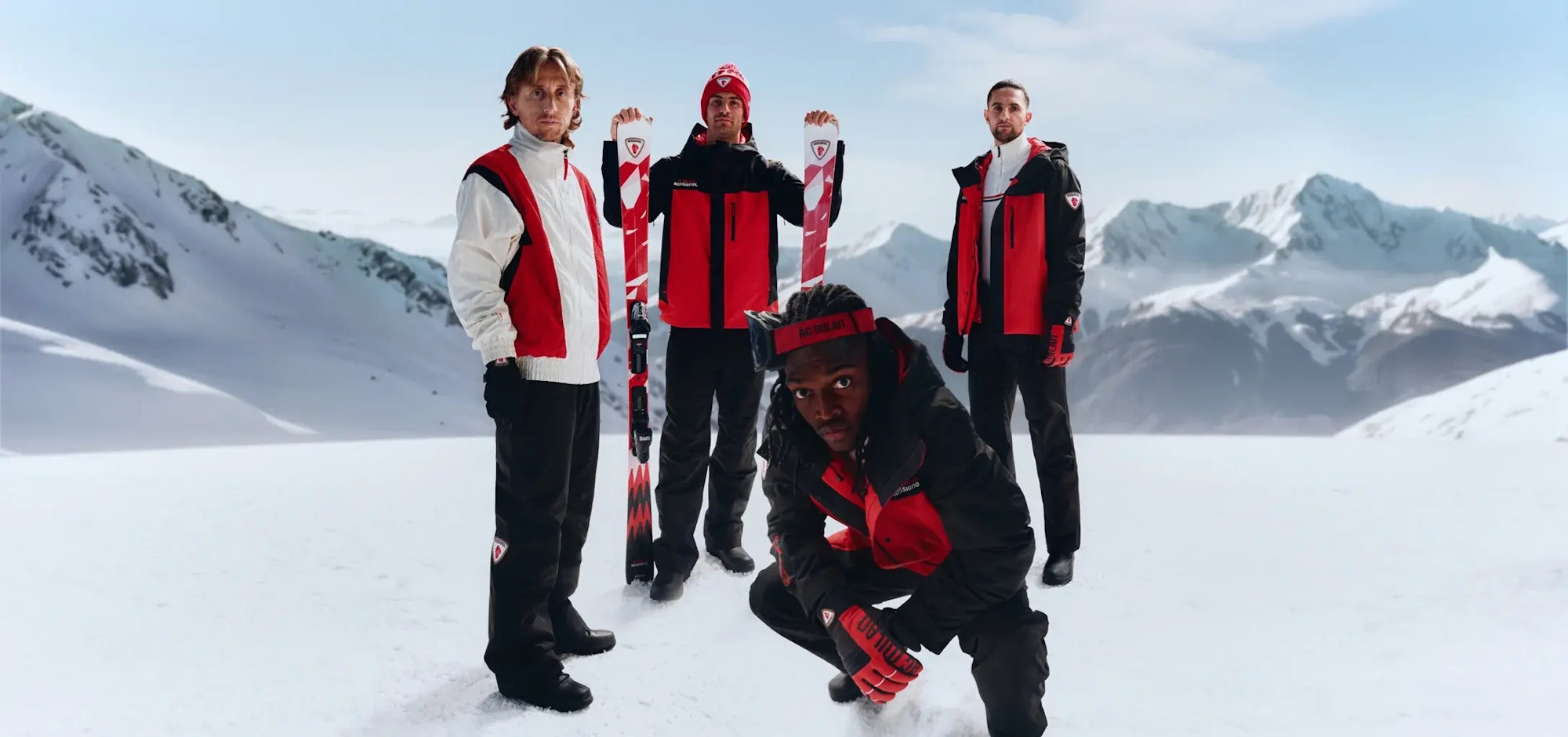
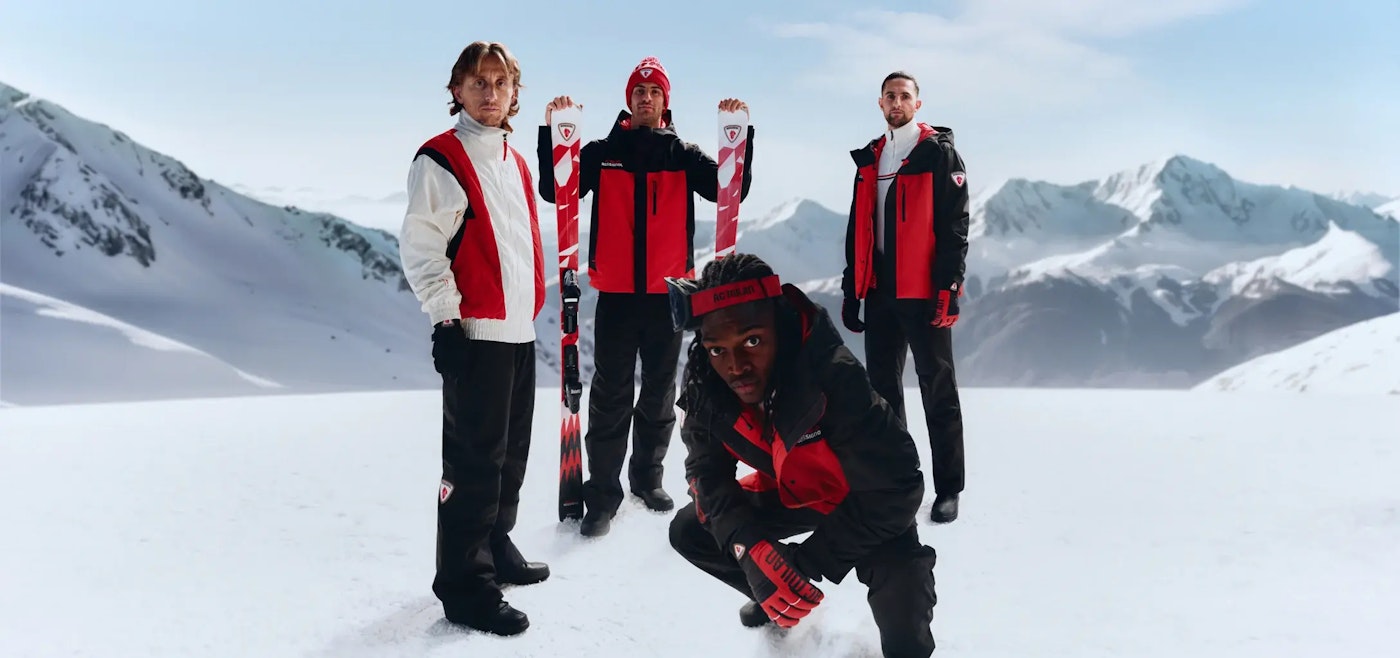
By balancing competition with cultural relevance, Rossignol’s athletes bridge high-level performance and mainstream skiing. This differs from the European audience, which tends to oscillate between on-piste skiing and mountaineering lines. North American skiers choose a wider variety of on-piste and off-piste terrain, as well as backcountry lines. Rossignol’s differentiation of the Proclivity line and its collaboration with AC Milan are strong examples of this phenomenon.
The Proclivity line is worn and endorsed by FWT legend Marcus Goguen and Oscar Mandin, positioning it as a freeride kit for skiers who aspire to throw tricks in big-mountain terrain, as Goguen has done many times on tour. Rossignol also released a small batch of limited-edition Proclivity kits with Seattle-based retailer evo, further demonstrating its push into the North American market. On the flip side, Rossignol recently released a collaboration capsule with Italian football club AC Milan and its athletes, featuring products more closely aligned with a European on-piste ski audience.
Most of AC Milan’s fan base is located in Europe, making this a natural way for Rossignol to attract die-hard AC Milan supporters to its products. That said, in the digital age, marketing campaigns often reach far broader audiences, and this example speaks more to overall positioning than a hard truth about who will ultimately purchase these products.
Cleaner Go-To-Market Strategy in Complex Conditions
North America is not one market—it’s many. Colorado is not Vermont, any more than Canada is the United States. Brands that once relied on a uniform and global go-to-market calendar are discovering that nuance matters on so many levels.
Greater autonomy allows North American teams to simplify messaging while also tailoring it more precisely to each region. Instead of launching every product simultaneously, with equal weight, marketers can prioritize categories that matter most to each region. Not every skier needs the same gear and forcing product stories that don’t fit local realities can quickly backfire.
Proximity is the key to this approach. North American teams are closer to their athletes, retailers, resorts and consumers. They attend the same premieres, skin the same backcountry zones and stand in the same lift lines. That closeness leads to sharper instincts, faster decisions and marketing that feels current, rather than prepared. Increasingly, that regional insight is feeding back into global strategy, shaping future creative, product positioning and even design direction.
The Future: Built Global, Told Local
The most successful European brands are not abandoning their roots. They’re amplifying them through regional voices. As participation grows and ski culture continues to evolve, expect this balance of global brand direction and local expression to define the next era of ski industry marketing.
The Alps will always be a special place to skiers. Heritage, craftsmanship and competition-proven credibility will always be important to them but skiers around the world have unique needs and identities, and paying attention to them will yield lifelong customer relationships.