


Among the best professional skiers, Tom Wallisch is FREESKIER’s skier of the year for the second time in three years , beating out finalist Henrik Harlaut with over 27,000 votes cast online in November.
Last season, Wallisch landed on seven podiums and won two X Games medals— gold in Aspen and silver at Euro X . He took first at the Breckenridge and Killington Dew Tour stops, second at the Dew Tour stop at Snowbasin, and won the overall Dew Cup. He was also named 2012 Men’s Slopestyle World Champion and came in first in the AFP Slopestyle World Rankings.
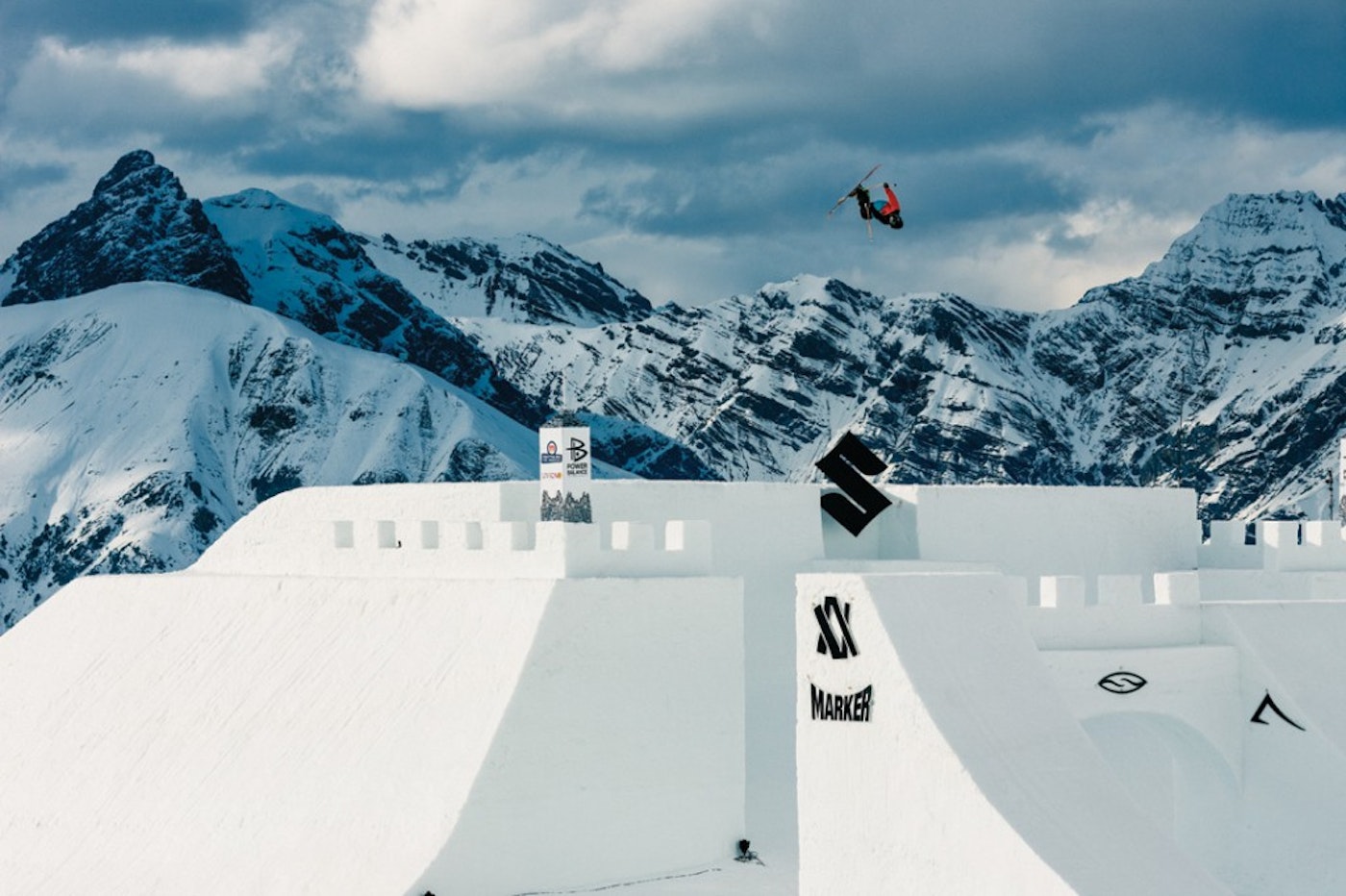
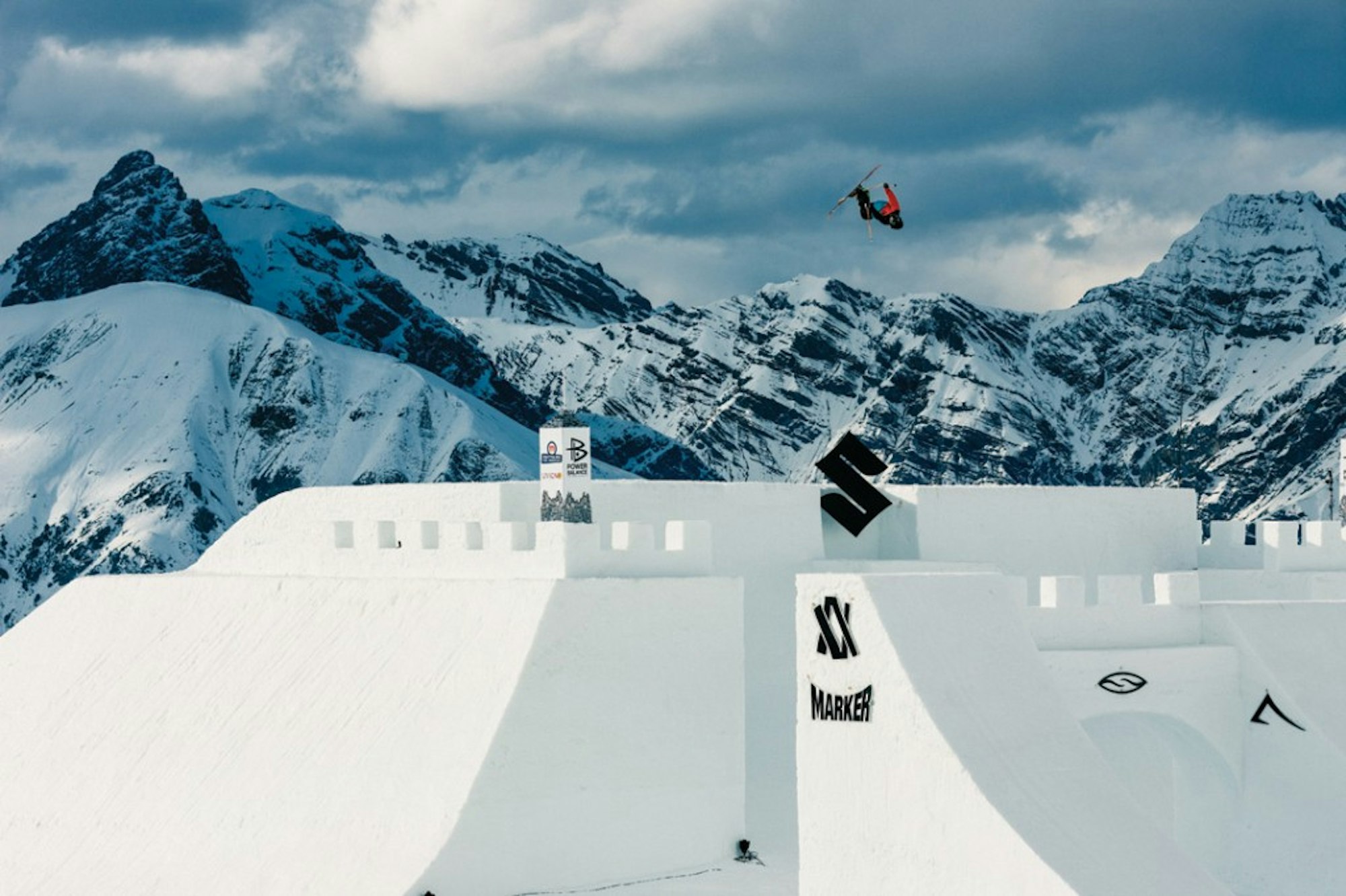
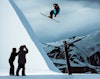
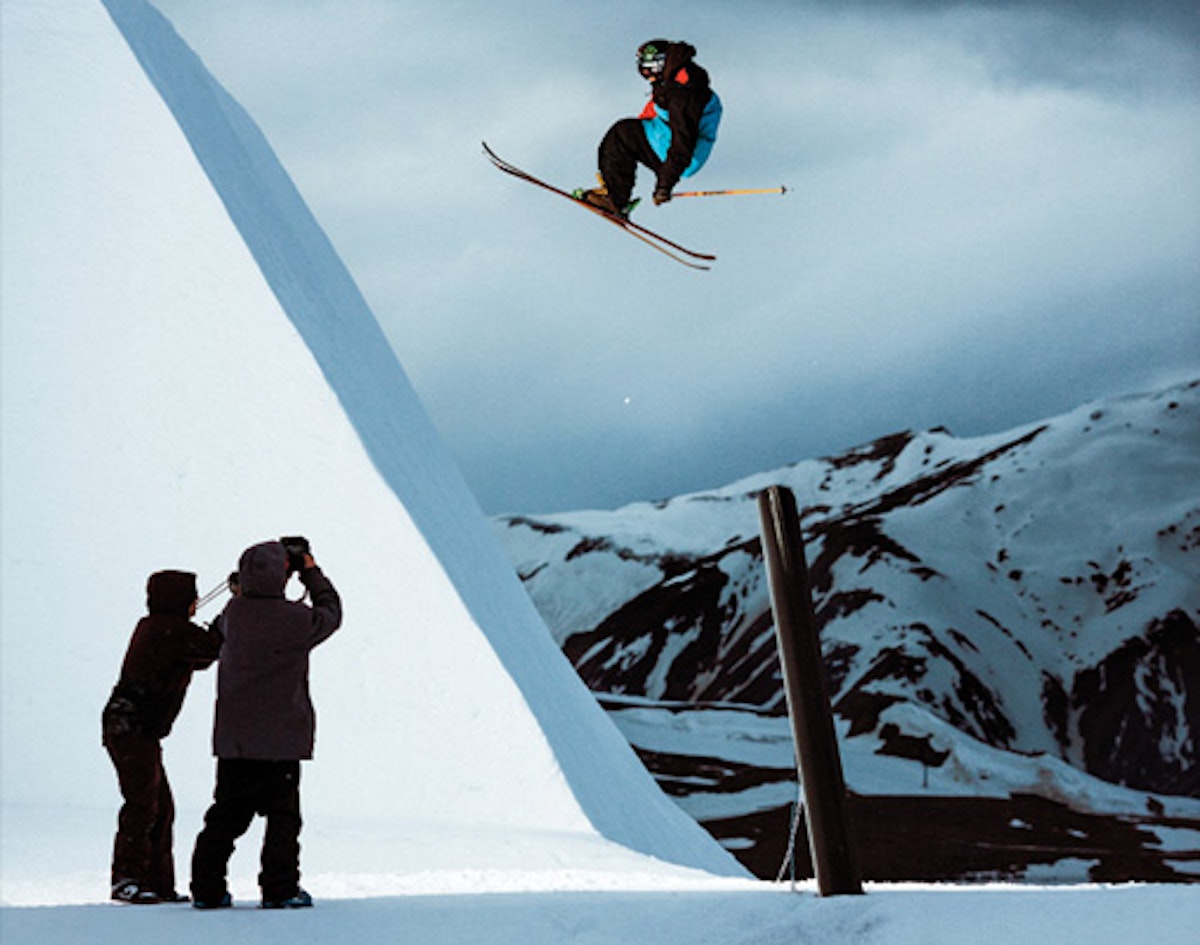
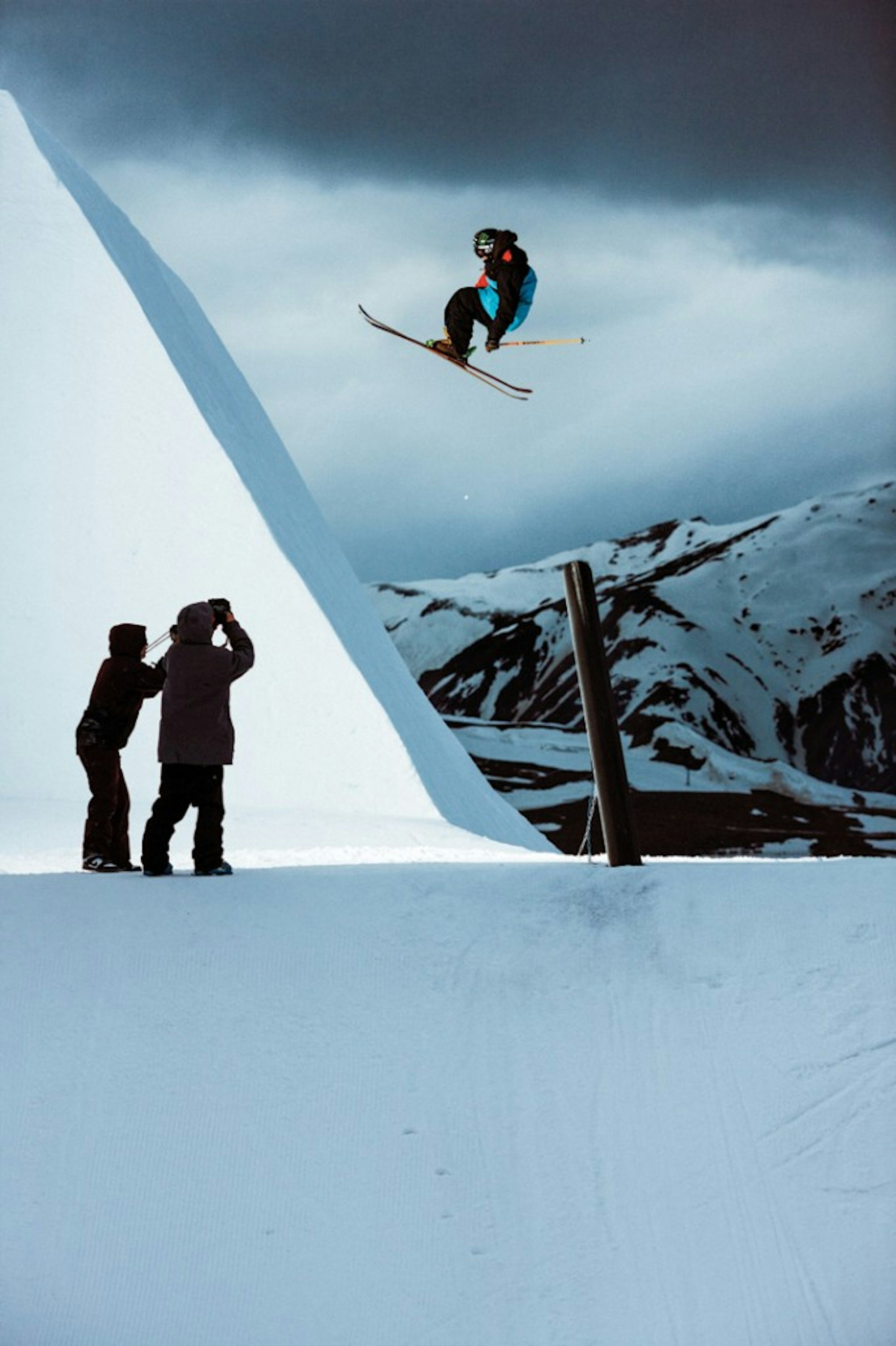
In the next online voting matchup, it’s the epic mountains of Italy versus Wally’s 720 Cuban. Who gets your vote? Photo by Nate Abbott in Mottolino, Italy.
It was a season that would send some skiers on vacation to Hawaii by mid-March, but, even after sprinkling video shoots into his contest schedule, the day after he secured the Dew Tour overall, Wallisch hopped a 6 a.m. flight to Japan and spent the rest of the season filming. During one six-day trip to Anchorage, Alaska, with Level 1, the crew got only three to four hours of sleep per day.
“In my 13 years of making films, it was the most insane, sleepless, hectic week that I’ve ever witnessed,” says Level 1 founder Josh Berman. “And the stuff Tom wanted to do was so consequential. I thought, ‘Wow, there is nobody out there who would have this approach and put this all on the line at this point in the season.’”
On the third day of the trip, they shot a feature all afternoon, shot another at 4 a.m. and planned to shoot something off the roof of a fairly major building in downtown Anchorage that had to be done at the very moment of sunrise. After a couple of hours of sleep in the car, the alarms went off at 6:45 a.m. Everyone wondered whether they shouldn’t just call the shoot, but a sleep-deprived, pale, wiped-out Wallisch peeled his eyelids open and said, “Let’s do this.”
After almost a week of around-the-clock insanity, the crew took a red-eye from Anchorage to Reno (after an afternoon shoot), got in at 10 a.m, jumped in the car, drove to Mammoth, geared up and took the lift up to a Monster Energy team shoot.
A lot of skiers in Wallisch’s position, having accomplished so much in the sport, might look at skiing as a job, but Berman says that’s not how Wallisch views it. “He skis because he loves it. He works hard to get the mind-blowing shots because he wants to challenge himself. That’s really what sets him apart.”
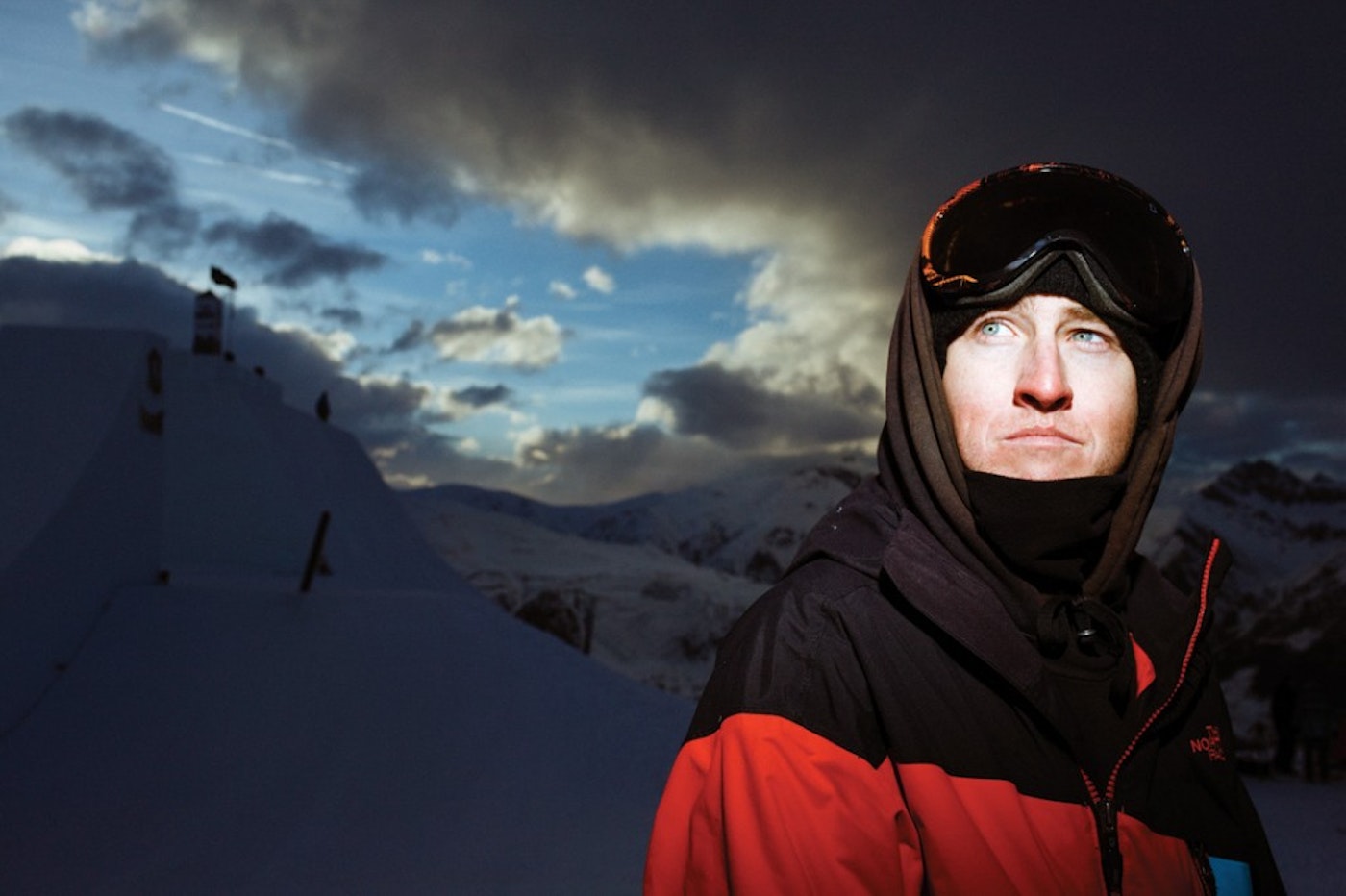
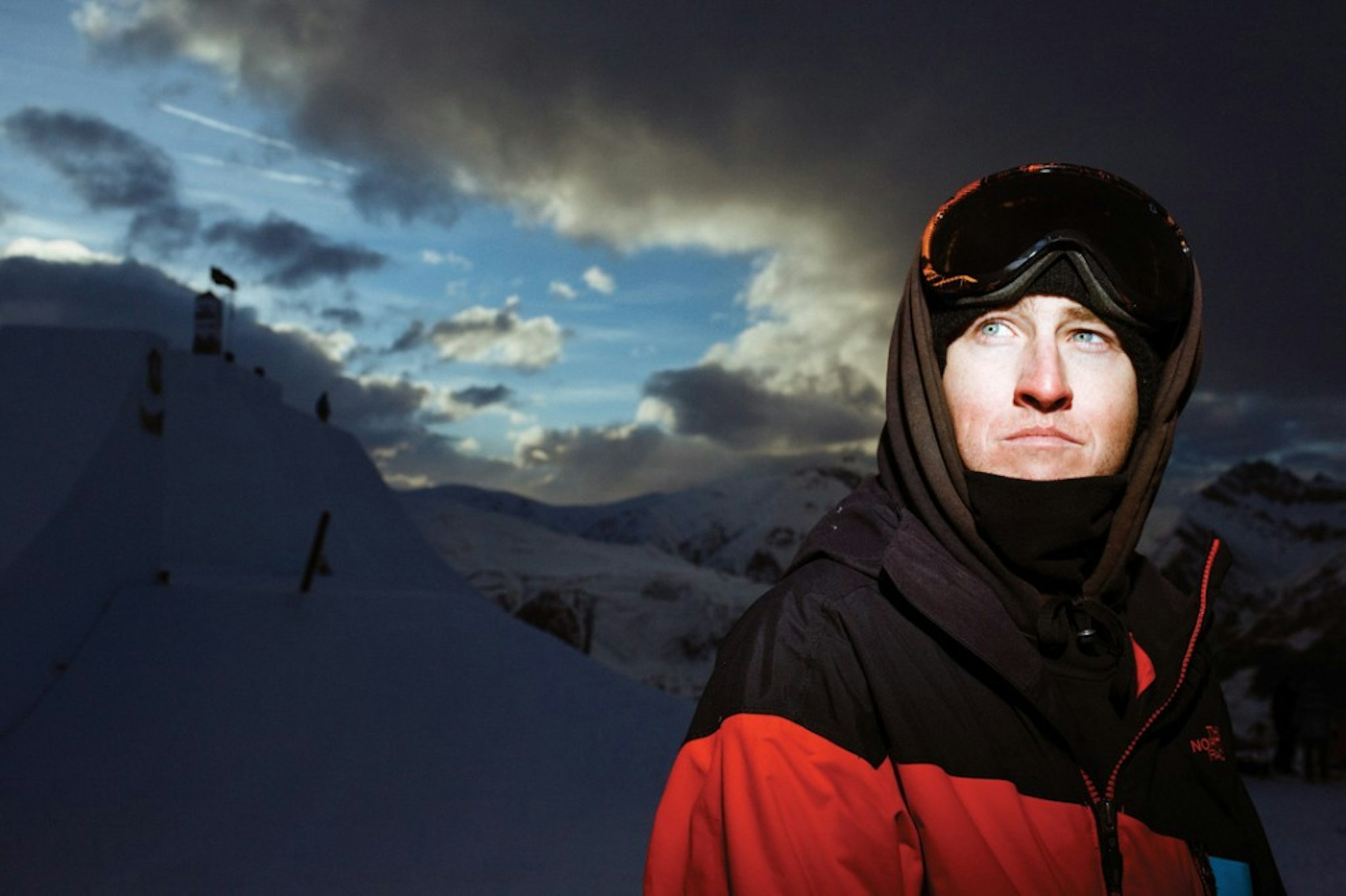
Photo by Nate Abbott in Mottolino.
Wallisch isn’t a rock star; he’s the kid next door, and that’s just the person people want to root for. His mass appeal stems from fans relating to him. He comes from Pittsburgh, grew up skiing a tiny resort and never had a personal coach. Nothing was handed to him. Wallisch even looks normal. He’s not an intimidating jock. He’s not noticeably ripped or particularly tall. He doesn’t have the chiseled jaw line of a male model. He’s your average, everyday 25-year-old guy.
Even after one of the best competition seasons a slopestyle skier could dream of, Wallisch is still a personality kids can relate to. “He’s not super far out there,” adds Berman. “He doesn’t have a persona that scares people away. He’s very approachable.”
Wallisch was the one who made it clear that fame, fortune and success could be achieved in the ski industry through alternative channels. With 107,000 Facebook fans and 23,000 Twitter followers , Wallisch owns the online ski community. “I came onto the scene right as online edits, YouTube and Facebook were blowing up,” says Wallisch. “I’ve been doing Facebook since the beginning. We’ve been putting out edits for seven years and developing a good name on YouTube and Vimeo. I’ve had lots of time to develop a fan base on the Internet.”
Wallisch was in the right place at the right time, but his father, Mike, says it’s something beyond the timing. “He has a contagious love of skiing that he wants to share. Somehow that comes across in his videos.”
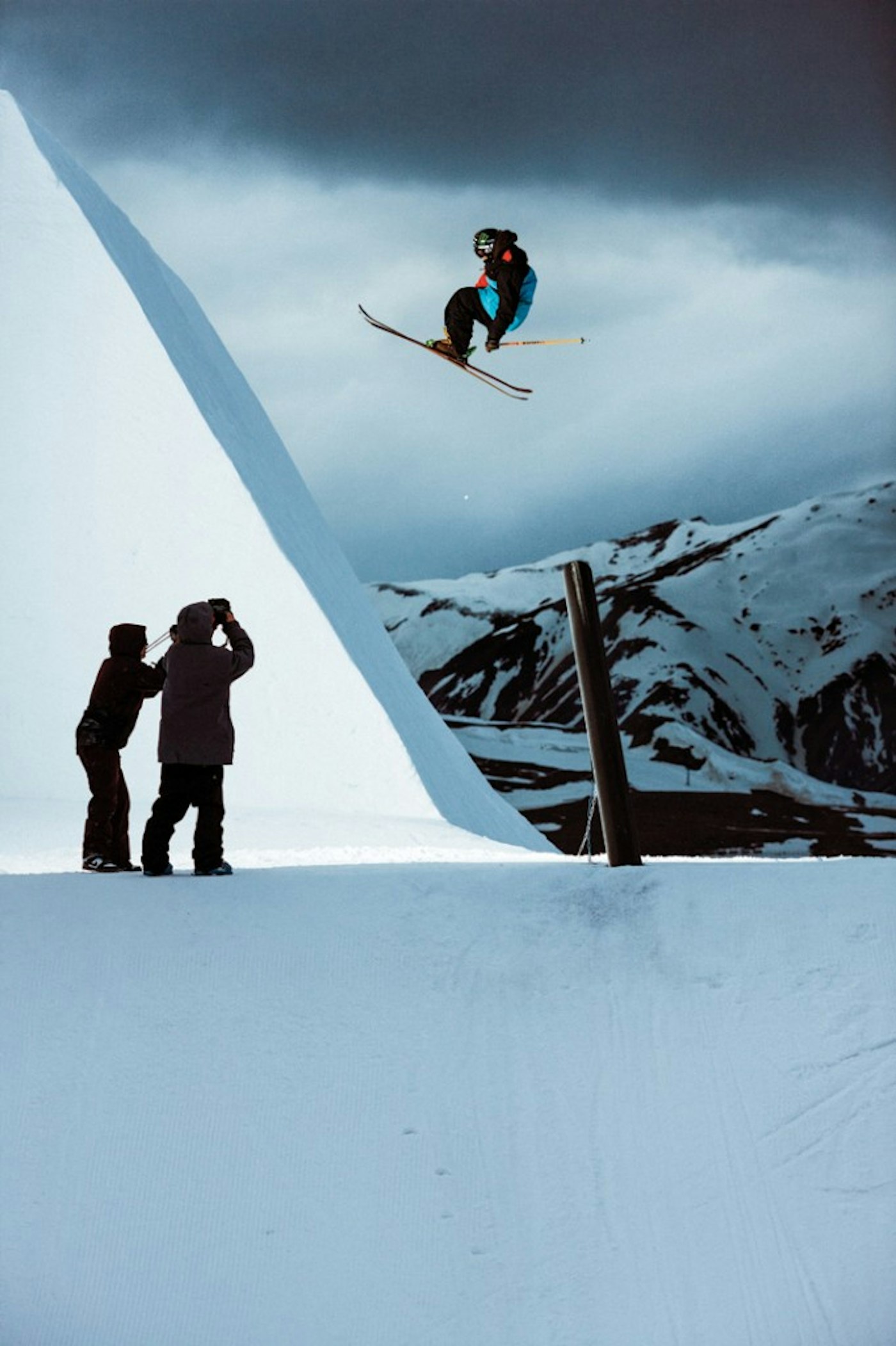
A #SOTY worthy rail gap to fakie, landing on the dark, icy side of the 9 Knights castle. Photo by Nate Abbott in Mottolino.
Wallisch was invited to Level 1’s park shoots that spring. He was 19. “We had a true step-over style jump at Copper, and every time he hit it, he did a different trick,” says Berman. “Nine times out of ten, it was a trick he hadn’t tried before, and he stomped it. It was the upper echelon of tricks at the time, not the stuff you just try and stomp the first time at a photoshoot on a big jump.” As a semi-unsponsored rookie, he scored three magazine cover shots from those spring shoots and a partial segment in Level 1’s Realtime, released in September 2007.
Since that movie, Tom has filmed segments with Field, Level 1, 4bi9, Stept and TGR, all while competing full time in dominant fashion. His footage isn’t filled with backcountry jumping, but overall the segments are comparable to those of most full-time film skiers, and his urban footage includes some of the biggest hammers ever captured on video. Kyle Decker, a former Level 1 cinematographer who has been working with Wallisch since 2006, says Wallisch is the same guy he shot six years ago, pre fame and fortune.
“I shot with him back when he was a poor college kid. Now, he’s a superstar skier who’s made a little money, but it hasn’t changed anything. If anything, I think he’s relaxed a little because he doesn’t have as much to prove. His lifestyle hasn’t changed—he lives the same way. He’s not buying really ridiculous things or acting different. He’s the same old Tom.”
This season, Wallisch is dedicating his filming efforts to a solo project with Decker. All his footage will go towards one edit, dropping on iTunes next summer. The model follows skateboarder Nyjah Huston’s Rise and Shine, an eight-minute video part that premiered on iTunes in 2011. “We work really well together and have the same goals and motivation,” says Decker. “He definitely makes me work twice as hard. It’s a project I’ve dreamt about doing. There are only so many skiers that it’s realistic to do something like this with. You need some budget to do it the way Tom wants to do it.”
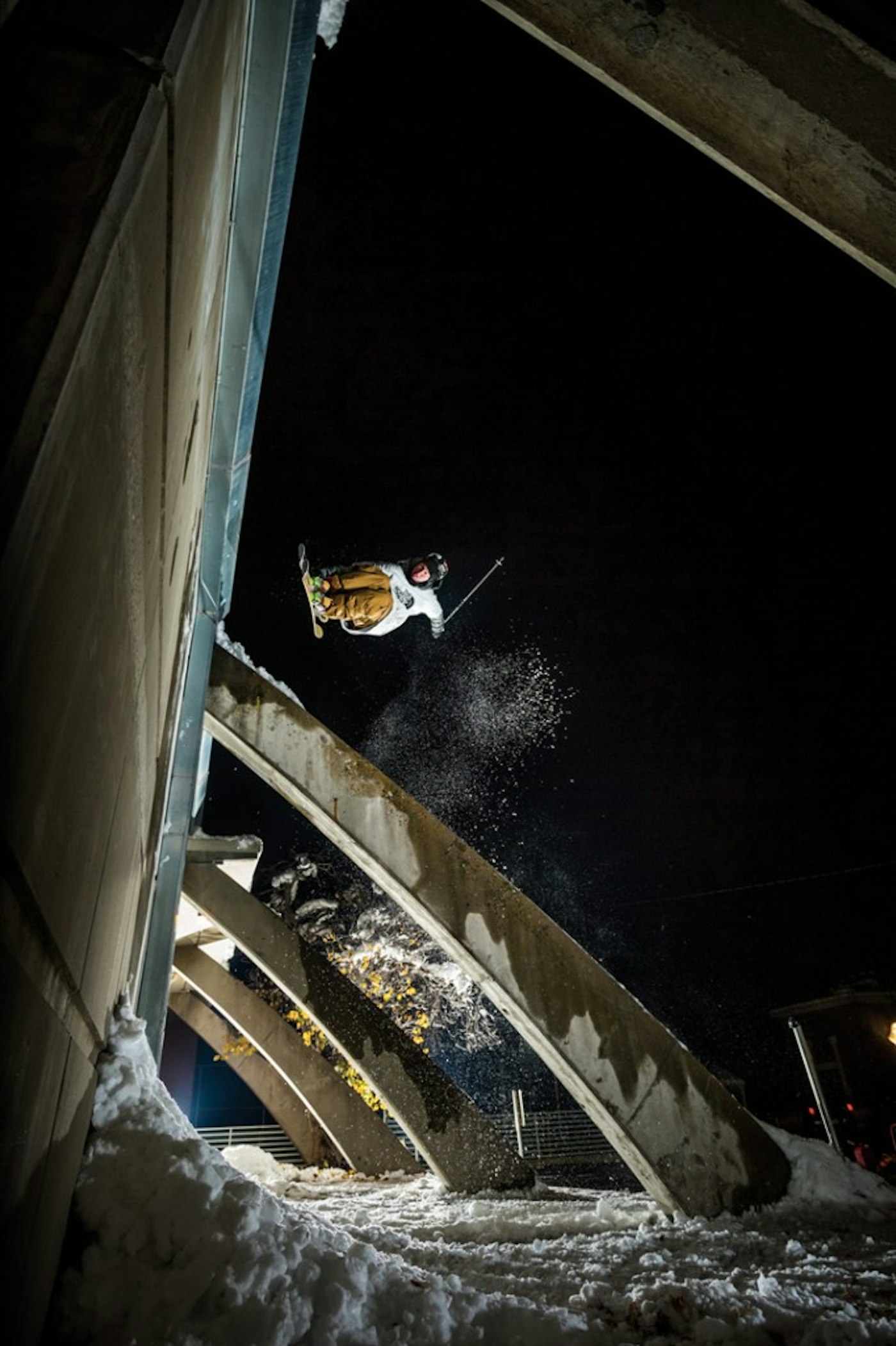
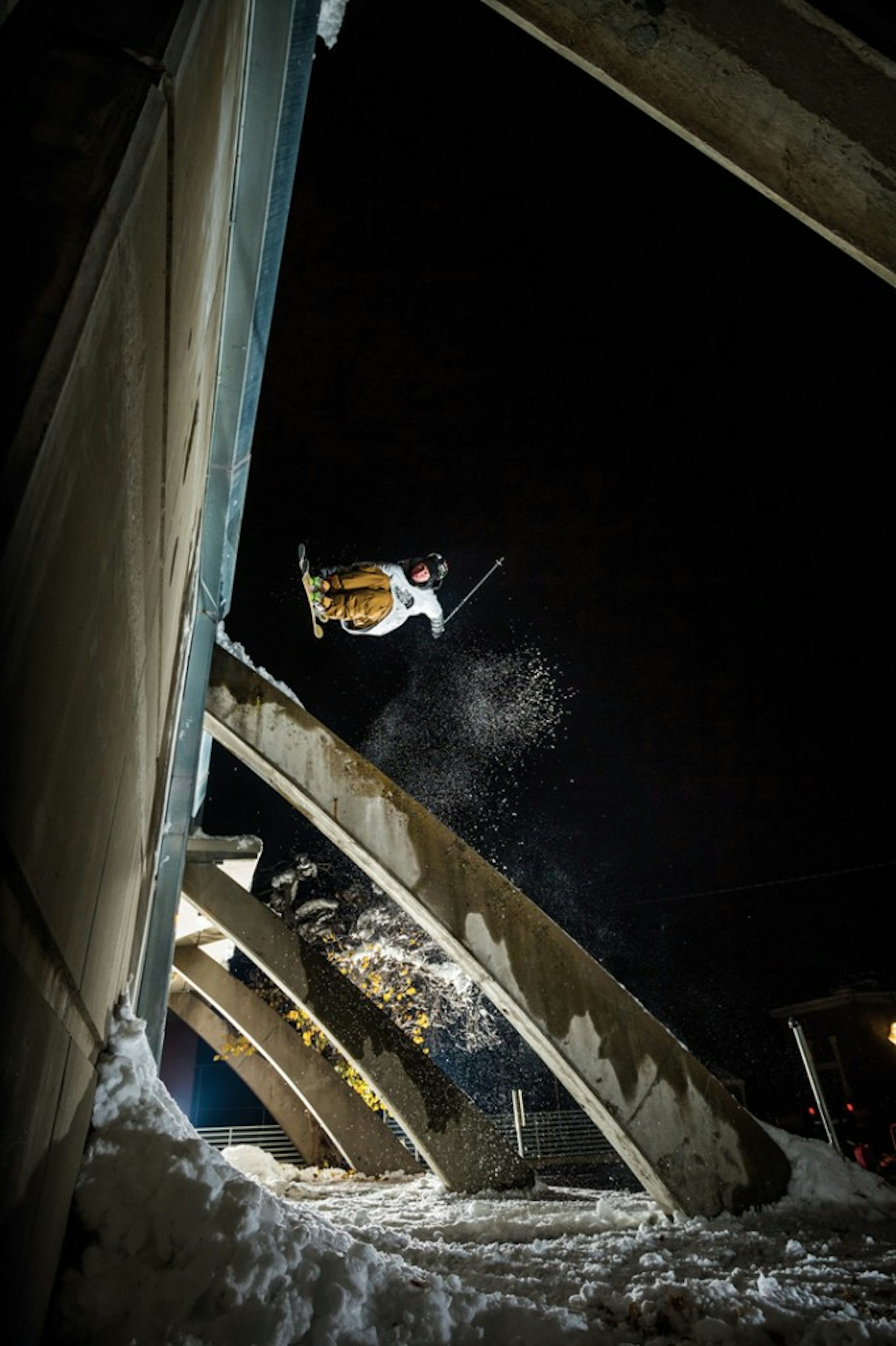
In a last minute plea for votes, Wallisch went out after the first snow of the season and hit this arch to wall ride. A successful #SOTY campaign doesn’t count its votes til they’re hatched. Photo by Erik Seo_Level 1 in Salt Lake City, UT.
Wallisch was hard on his toys—his razor scooter got frequent air, his bike often skidded sideways and his trampoline was worn out from overuse. He learned to ski at Wisp, a 700-vertical-foot resort in Western Maryland near Deep Creek, where his family owned a townhome. After he’d mastered every run, he found his next challenge. “I wanted to find a way to scare myself and get a rush, and that became catching air, building jumps, jibbing everything and experimenting,” he says.
Wallisch was the ultimate weekend warrior, skiing Friday night through Sunday afternoon. He briefly joined the freeride program to ski more during the week, but he wasn’t a fan of having a coach. “The best coaches are my peers and the people I respect,” he says.
The East Coast made Wallisch a better skier. He credits the night skiing with allowing him to ski more, the terrain parks for their efficiency (shorter runs and chairlifts) and the conditions for making him work a little harder. “I always tell kids the only thing that will make you a better skier is to ski. The harder you’re working, the more you’re doing tricks, the more repetitions—that’s how you’re going to improve your style. It’s the person who spends the most time skiing.”
In 2006, Wallisch moved west to attend the University of Utah. That same year, Vermonters Andrew Napier and AJ Dakoulas bought a camera and started filming their high-school friends Tim Maney, Andrew Holson and Dale Talkington. They named the company 4bi9 Media. The company’s name went viral when they met Wallisch and Steve Stepp in the dorms the first week of freshman year. The crew started making edits as soon as the snow fell. “Our freshman year, Tom was always the one racing up the mountain,” says Dakoulas. “He was always motivated to get out there and make the best of it. Even if we took the day off, he would get up there.”
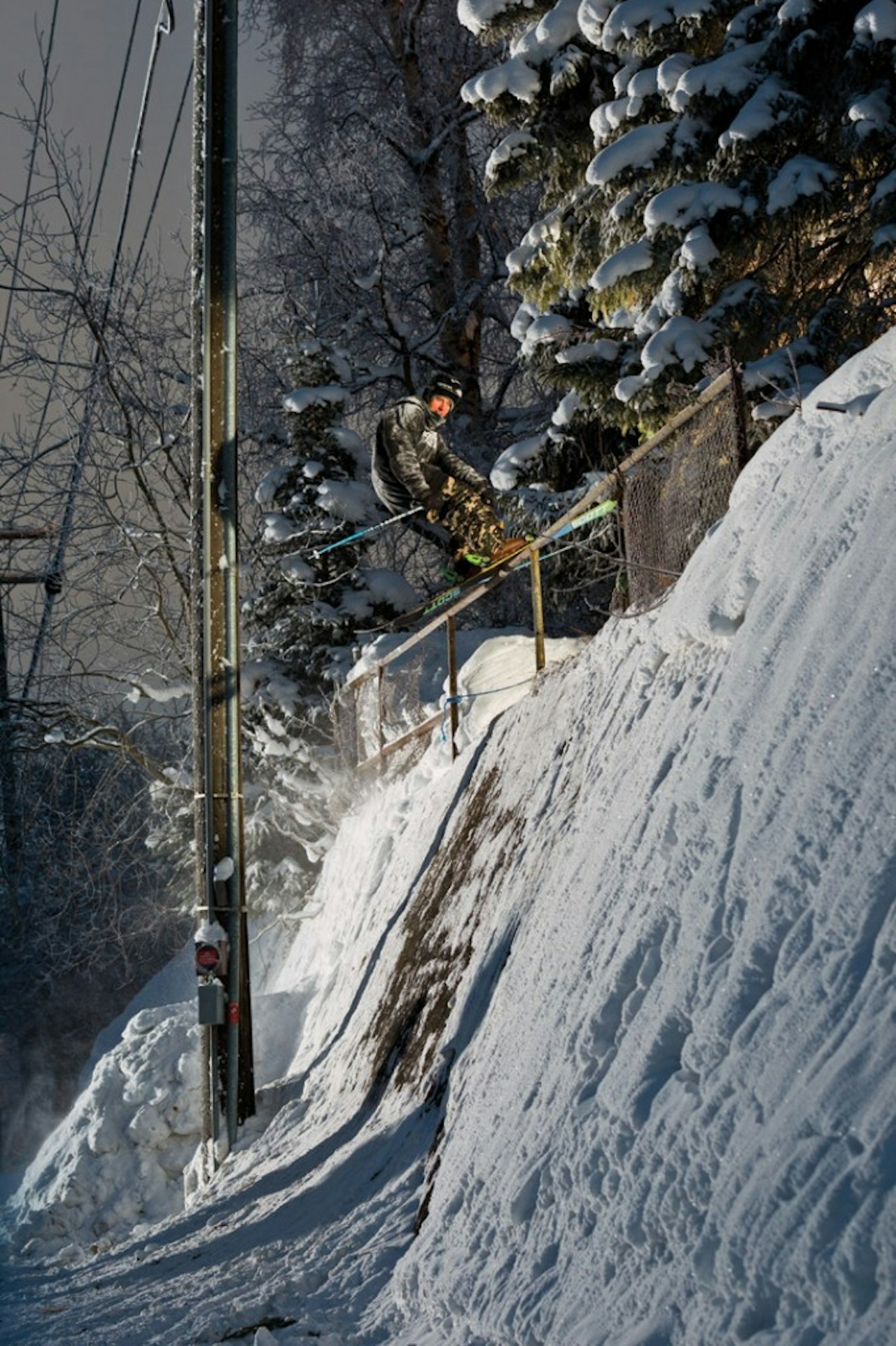
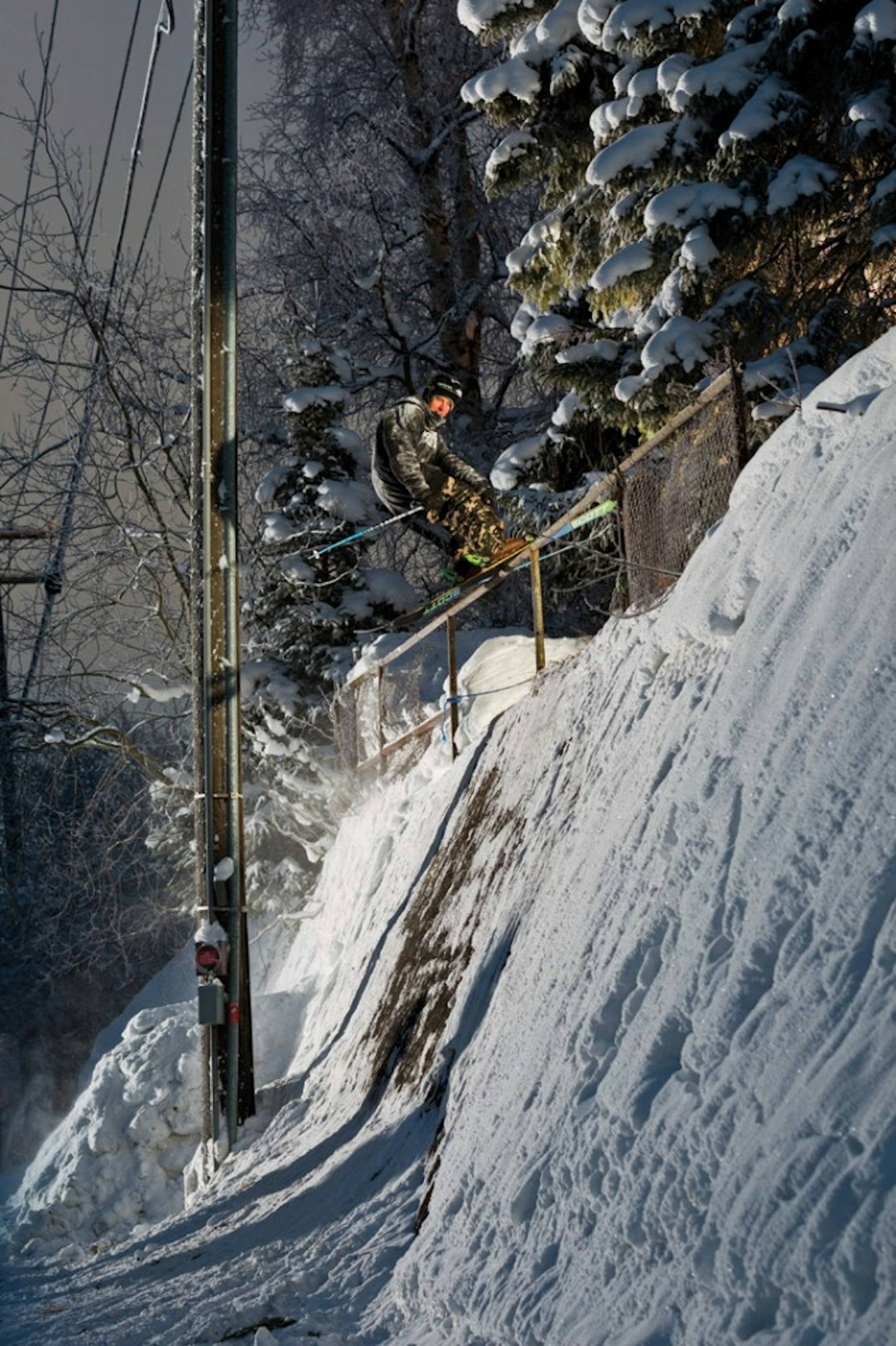
Photo by Erik Seo_Level 1 in Anchorage, AK.
“Social media has made everything so much quicker,” says Wallisch. “The interactions are on a day-to-day basis rather than after an entire ski season. You used to establish your idols in September after watching a ski movie, now it’s the skier you follow on Instagram and who puts out the edit you like. Kids can see so much more day to day.”
In the spring of 2007, Jon Olsson noticed Wallisch skiing in the park at Park City. “It was impossible not to be impressed,” says Olsson. “He was just so smooth, and it really looked like he was having fun.” Olsson invited Wallisch to the upcoming Jon Olsson Invitational on the spot. As it was such short notice, Olsson even offered to loan him money for the flight. Wallisch didn’t make the finals there, but he put on a show. “He just seems to have some super power when it comes to landing smooth,” says Olsson. “I think that he’s the most influential skier in the last five years.”
Wallisch entered his first major competition, the Aspen Open, in 2008 and placed second, but nothing changed for a couple years. He was filming and getting paid a little here and there. Then, in 2009, Wallisch won the final Dew Tour stop of the season at Northstar. “That really blew it up for me,” he says. “It was a big win on a premier stage with the top guys. From there, I got more sponsors and started working with an agent.”
Wallisch is eager to attribute everything to his fans. “They’re the most important,” he says. “They are the reason I get paid to go skiing. Kids all over the world are inspired by my skiing and my videos. It’s the most rewarding part of my job.” Wallisch’s girlfriend, Stephanie, says he interacts with fans every day. “We’ll ride the lift, and if a little kid knows who he is but is too shy to say anything, Tom will always start a conversation and ask how the kid’s day is going.”
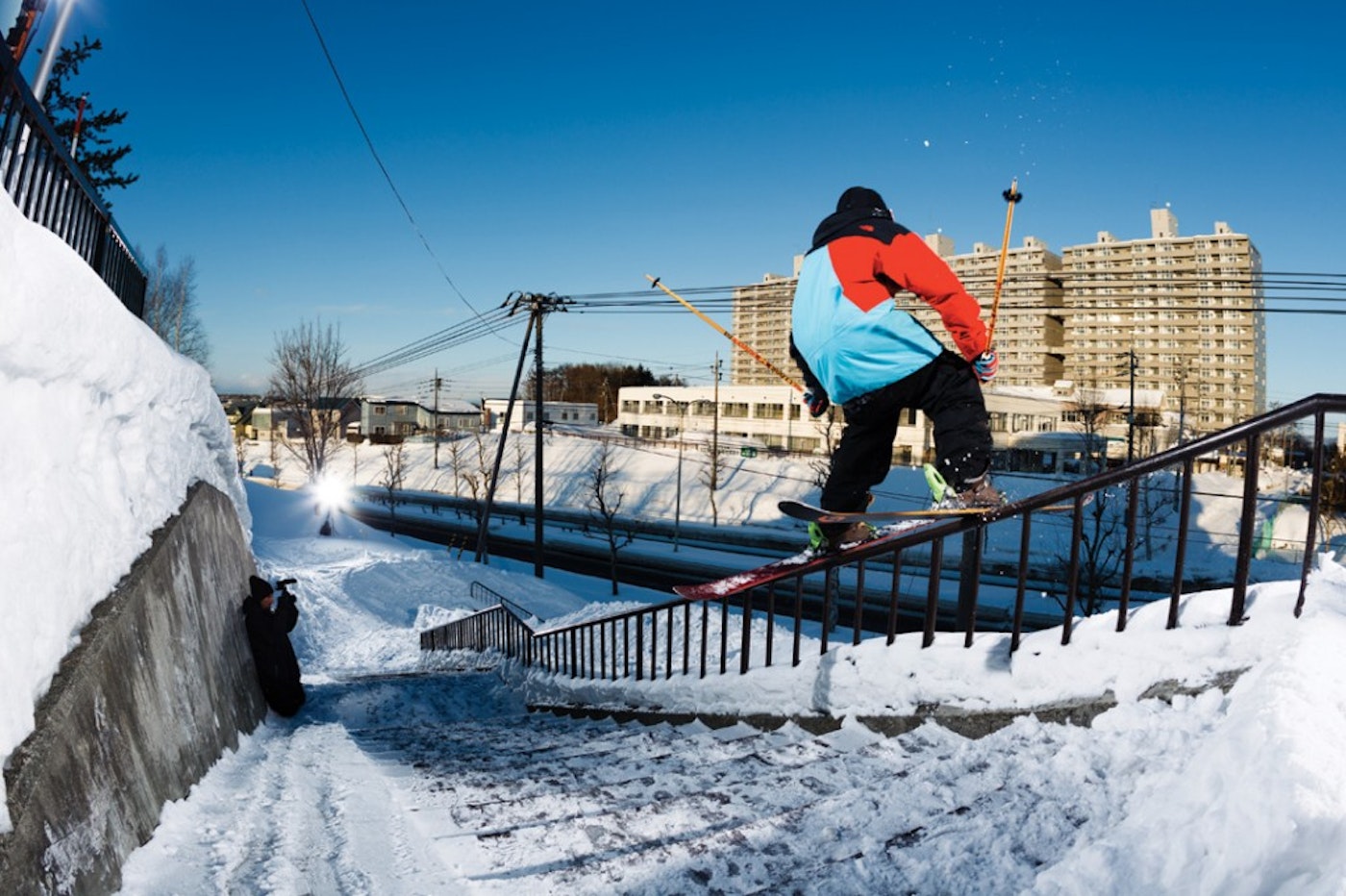
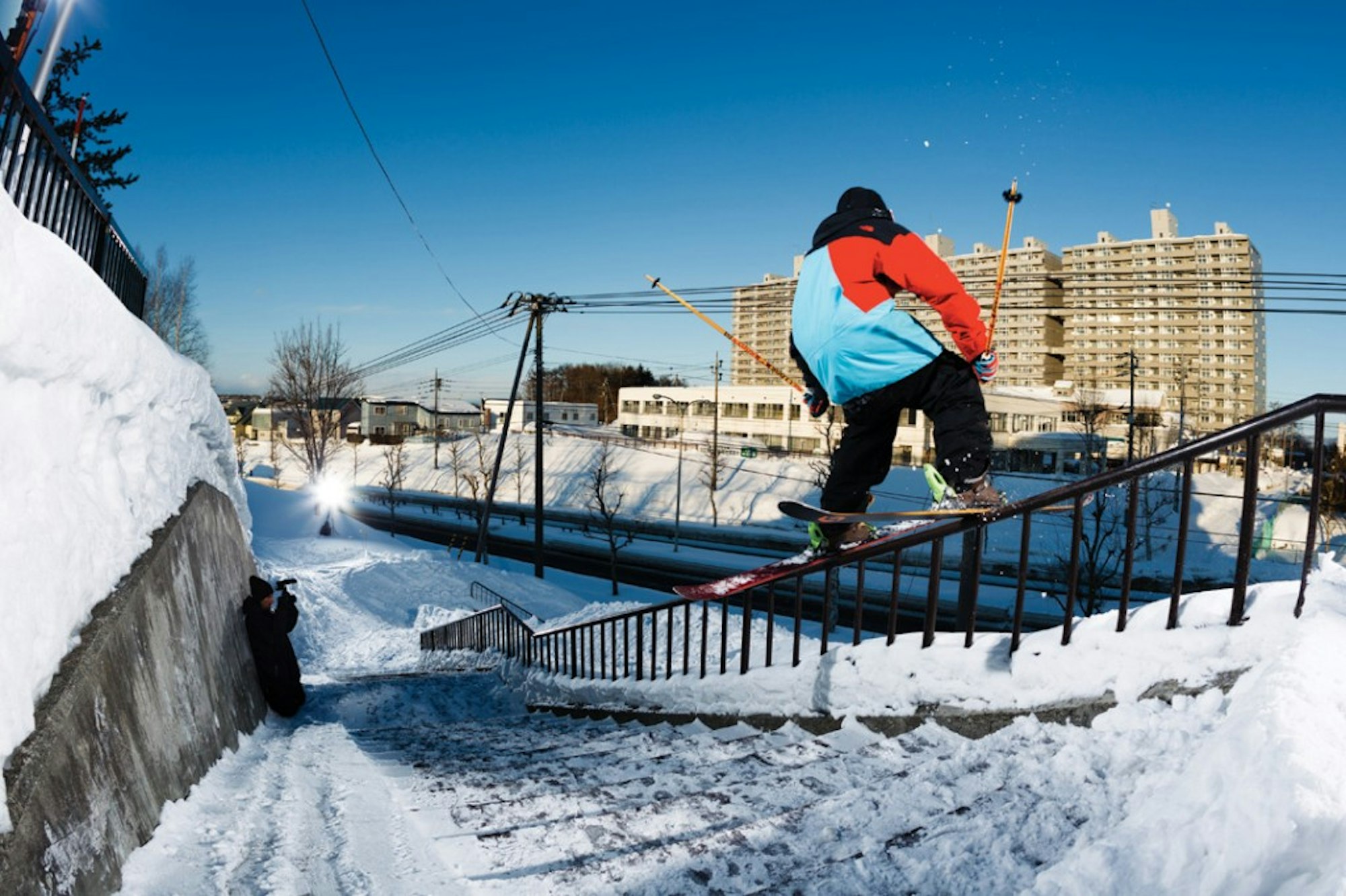
It’s really just the fisheye lens that makes Tom look big in Japan. In reality, no one knows who he is over there. Photo by Chris O’Connell_Level 1 in Sapporo, Japan.
A typical winter day for Wallisch includes waking up sore and tired from shooting an urban feature the night before, drinking coffee, making one of his famous bacon and cheese breakfast sandwiches, and heading to Park City. He spends his summers half on snow, skiing at Whistler and Mt. Hood (and last summer he went heliskiing for the first time, in New Zealand), and half doing summer activities like mountain biking and wakesurfing. He took over his parent’s wakeboard boat last summer and brought it to Utah. “We spent a ton of time on the water last summer,” he says. “It’s something I miss, and it’s harder to find natural water out here. It reminded me of the good days growing up.”
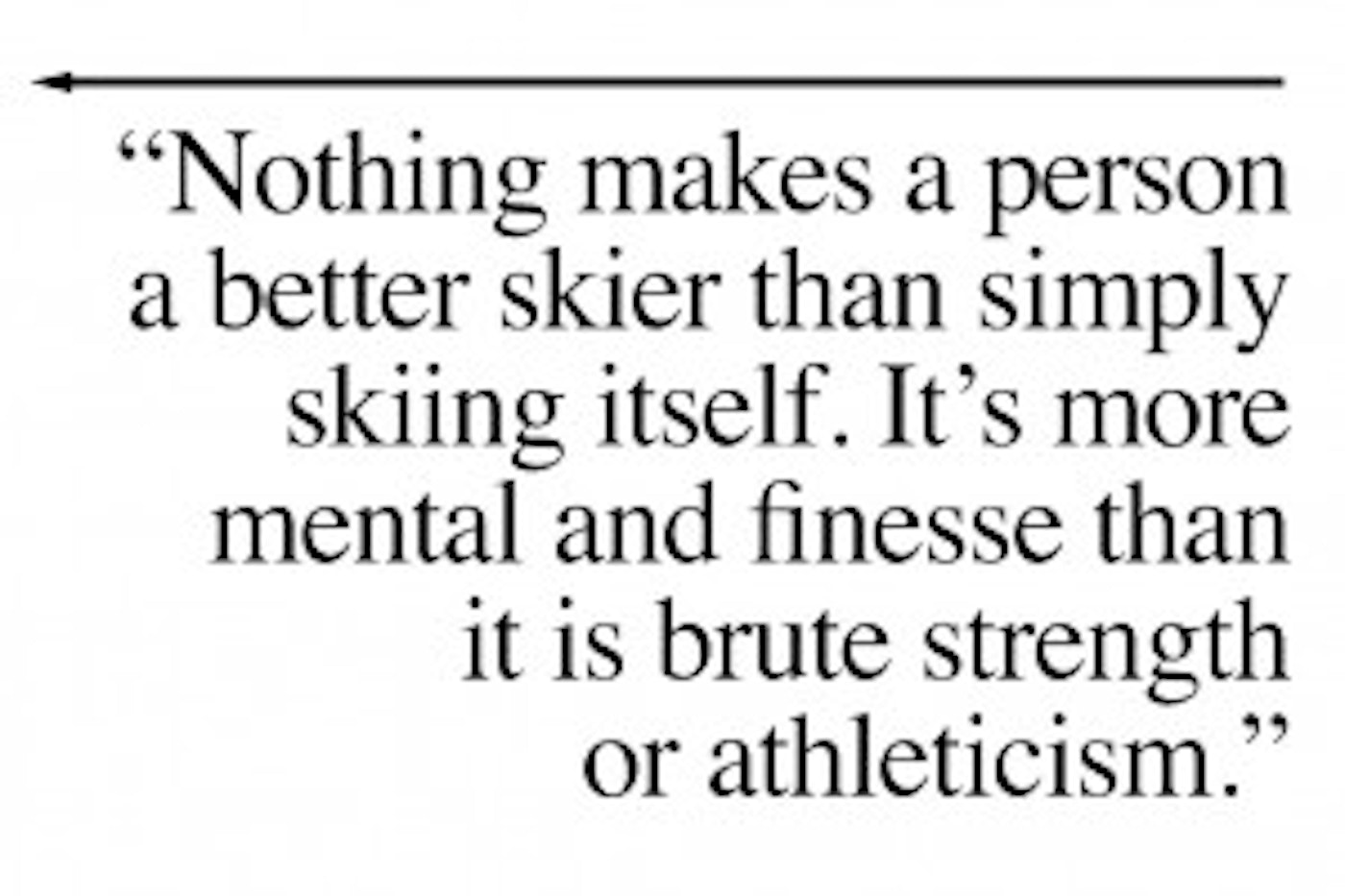
Wallisch isn’t a big fan of the gym. He’ll jump on the tramp, mountain bike and wakesurf, but you won’t see him pumping iron. “It bores me,” he says. “I don’t think it’s good practice for skiing. Other sports make you learn to balance better and think quicker. Skateboarding, tramping, mountain biking, wakeboarding, waterskiing, surfing. But truly nothing makes a person a better skier than simply skiing itself. It’s more mental and finesse than it is brute strength or athleticism. Though the gym is essential to injury recovery, it’s not necessary for one’s skiing.”
After winning most everything there is to win in slopestyle, only the Olympics remain. Wallisch’s concern is maintaining originality. “The idea of being individual and having tricks look different and different grabs and different clothing styles is important when our sport is presented on a worldwide stage. Everyone needs to look different doing his own thing. It needs to be varied so it’s exciting and youthful.”
Wallisch’s style continues to impress judges, peers and fans alike. He says it comes from taking bits and pieces from everyone and creating a collage of style that’s his own. “His style is like a video game,” says Skier of the Year runner-up Henrik Harlaut. “It’s the best style for competitions you can have.”
Berman describes it as effortless. “He makes everything look easy. There have been skiers over the years who make it look so easy that it’s robotic and loses its appeal. If it’s too perfect, it loses something. But he straddles that fine line where it looks impressive and effortless at the same time—a very hard thing to do.”
“I’m constantly trying to improve by watching my buddies, the new edit or other sports,” says Wallisch. “There’s always something new you can do to make it more difficult and give yourself a scare. It’s always fresh in the park—it’s so easy to ski differently every lap and not realize you’ve been skiing for hours.”
![[GIVEAWAY] Win a Full 26-27 Ski Setup from Fischer](https://www.datocms-assets.com/163516/1790101711-00012060-edited.jpeg?w=200&h=200&fit=crop)