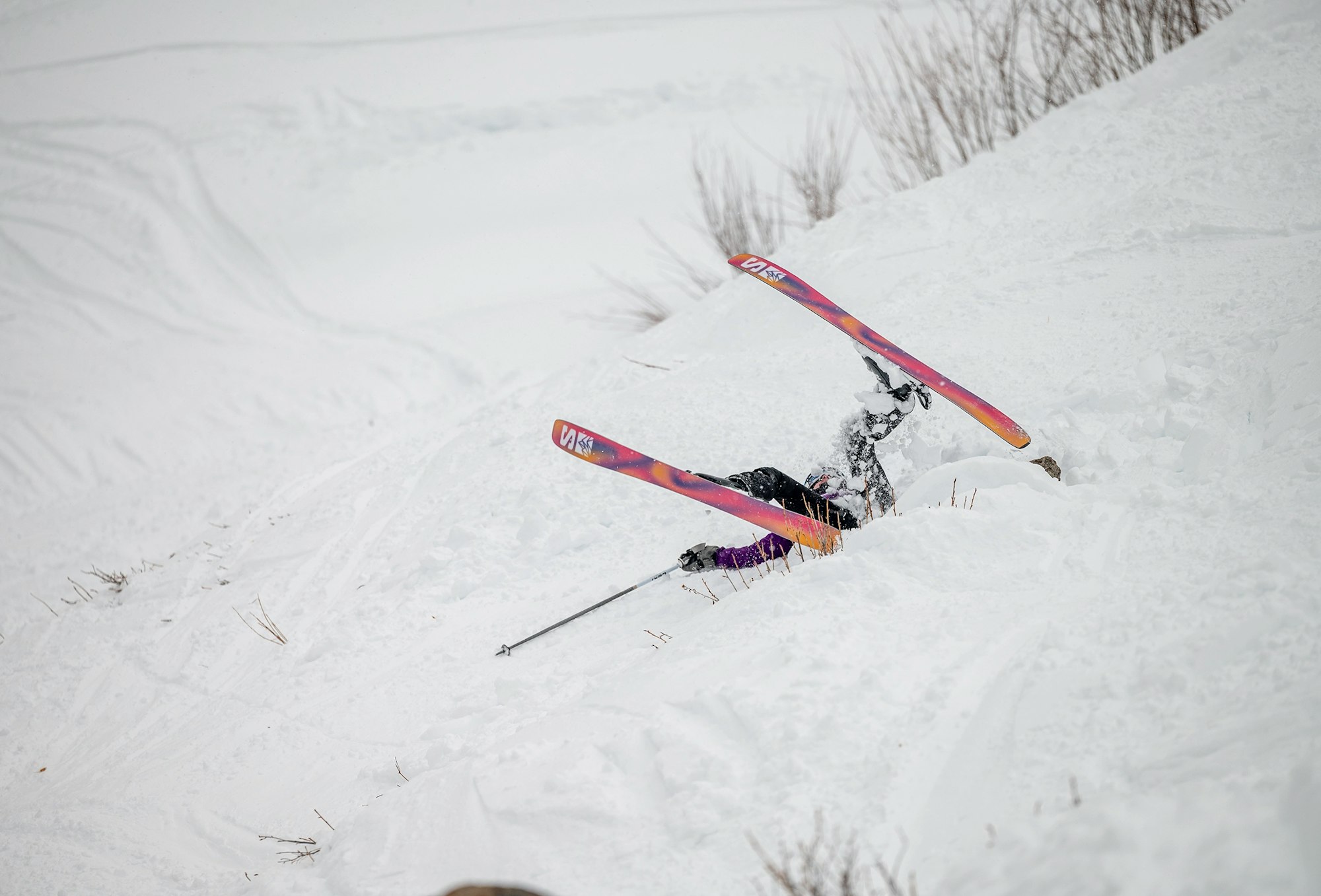
Concussions are not fun, nor are they completely avoidable in physical recreation. Whether you play contact sports like hockey and soccer or noncontact sports like skiing and mountain biking, "ringing your bell" is an unfortunate risk for anyone who engages in physical activity. Myself included.
Last month, I kneed myself in the face on a, what seemed to be benign, flat landing. I didn't want to acknowledge at the time how hard I actually worked my brain, but symptoms reared their ugly head almost immediately. I was emotionally all over the place, my anxiety spiked, my tolerance for risk tanked, I wasn't sleeping well, I was always tired and I had a near-constant dull headache at the base of my skull that made me incredibly irritable.
Family members noticed and suggested I seek concussion therapy. I've learned a lot, and I've experienced firsthand just how beneficial it's been to treat my brain like I would any other bodily injury, so now I want to share that information with everyone else who has or is currently recovering from a concussion.
The CDC estimates that between 1.6 and 3.8 million sport-related concussions occur each year, which makes it fairly likely that we've all experienced a concussion at least once in our lives. If you're older than 30, you probably remember the age-old advice after hitting your head: stop all activity immediately and do not return to sport until all symptoms have subsided. While the advice was always given in earnest, more comprehensive research has proven these protocols are outdated and ineffective.
Common Symptoms of Concussions
-
Headache
-
Cognitive impairment
-
Balance issues
-
Dizziness
-
Nausea and/or vomiting
-
Light and noise sensitivity
-
Fogginess
-
Sleep disturbances and fatigue
-
Depression and anxiety

Crashing is inevitable - knowing how to heal properly is the most important part
Photo: Jordan Grant-Krenz
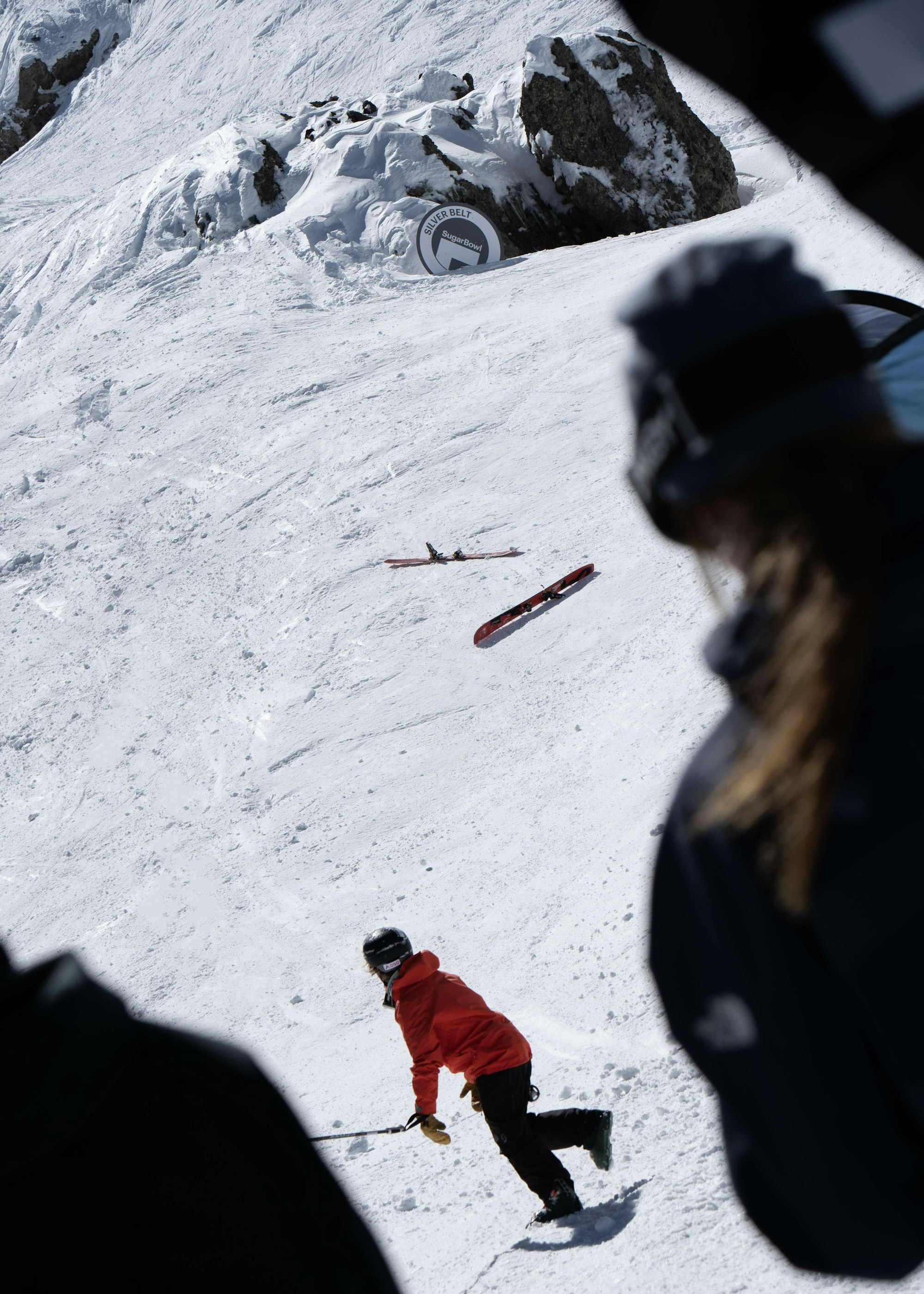
Crashing is inevitable - knowing how to heal properly is the most important part
Photo: Jordan Grant-Krenz
Old Information vs. New Information
Rest
While doctors used to advise complete rest until all symptoms have resolved, physical therapists now recommend active recovery to increase blood flow to the brain. Sure, lying in a dark room with no sounds or screens might feel beneficial in the days immediately following a big blow to the head but patients are now encouraged to get out for walks, bike rides, yoga, or any other gentle activity that promotes endorphins and blood flow but doesn't exacerbate symptoms to intolerable levels. Where the main treatment for concussions used to be just rest, studies are now showing that a combined approach—rehabilitiation for the vestibular and vision systems, the neck, as well as treatment of headaches, progressive exercise and scheduled rest—produces more significant benefits in recovery.
Imaging
Imaging, like CT scans, was also always required but now is not recommended for concussions unless the patient is showing red flag signs like worsening headaches, repeated vomiting, loss of consciousness, or seizures, as these may be signs of internal bleeding in the brain.
Napping
Deep sleep is when your body heals best, and naps can actually hinder your overall sleep quality. Gone are the days of waking up every 2-3 hours throughout the night and although napping is okay for a short time after the initial injury, fatigue is very normal during recovery—it should be limited in time and frequency because napping doesn't allow you to sleep as soundly at night when you should be getting your deepest rest.
How Does Physical Therapy Work for Concussions?
Cognition
Your rehab is built around stressing the impaired system in order to improve its function. As you return to day-to-day mental tasks, an increase in symptoms is not only normal, but it's required for healing. A general rule is to increase symptoms no more than 2-3 points on a 0-10 symptom scale. For example, If you wake up with symptoms sitting at a 2 on the 0-10 scale, then you can stress your system to the point of symptoms increasing to a 4 or 5, but anything over that risks overexerting your healing brain.
Aerobic Exercise
Exercise not only increases blood flow throughout the body, which enhances healing, but also releases endorphins, or happy chemicals, in the brain to help reduce anxiety and depression symptoms and improve overall mood. This also allows the patient to work back up to their prior level of function in tandem with recovery.
Manual Therapy
The neck is also related to concussions because whiplash is often associated with head injuries. When the neck muscles get stretched excessively from whiplash, trigger points—tight nodules of muscle tissue that can cause localized and referred pain in the head—often occur. The same trauma can cause neck muscles to stiffen, making neck movement more difficult and even painful. Manual therapy of the neck helps release and stretch the tight musculature, improves mobility and reduces overall pain.
When Should You Seek Medical Attention?
The tricky thing about concussions is that no two head injuries are the same. For different people or for someone who has had multiple concussions, symptoms do not present uniformly, which makes it one of the most complex injuries for medical professionals to treat. While all of the advice in this article has come straight from the concussion therapy specialists I've worked with, it's highly advised to seek a medical professional in your area to help diagnose and treat your specific symptoms immediately following a blow to your brain.