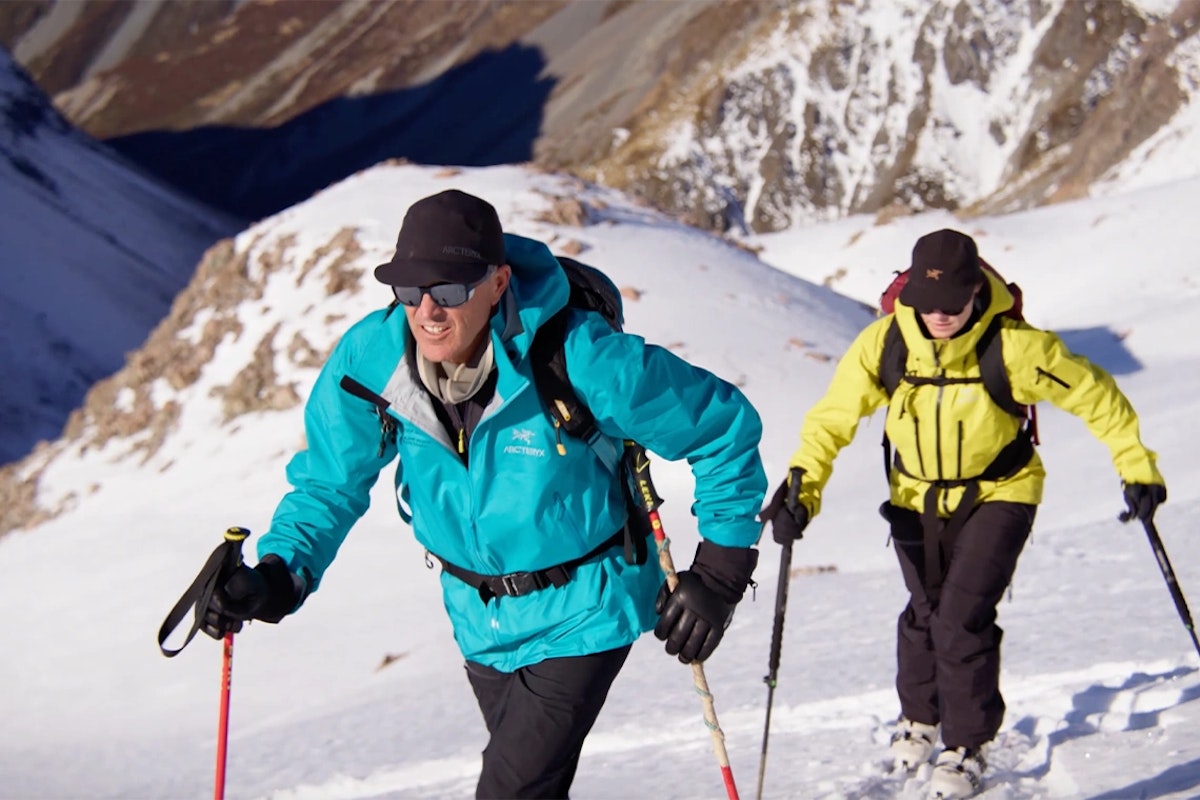

All Images: Courtesy of New Zealand Mountain Safety Council
Winter 2025 has been feast or famine in New Zealand, but that’s not out of the ordinary. The peaks are starting to fill in, but with such a wide variety of mountains and skiing across the country, FREESKIER wanted to get a closer look at the avalanche forecasters keeping backcountry riders safe right now in this big mountain mecca.
We approached the NZ Mountain Safety Council, New Zealand’s leading source for avy awareness, in hopes of getting a look into what it’s like forecasting in one of the most fickle, challenging and rewarding high-alpine ski environments on earth. Answering our questions is Bianca Bratton, a passionate skier living in Wanaka, New Zealand. She is the NZ Mountain Safety Council Alpine Advisor and leads the NZ Avalanche Advisory.
How has this winter been in New Zealand? Are the majority of the mountain ranges seeing above or below average snowfall?
BB : The start to winter in NZ has been pretty typical, with early snow storms in June setting the mid-to-lower South Island up well for the season, particularly through the Mackenzie basin and Canterbury high country. During July, temperatures have remained mostly cold and some isolated storms have brought snow to the majority of ski fields that have opened over the last month.
There are obviously a lot of mountains to explore between the South and North Islands. Which regions do you and the Mountain Safety Council forecast for? Are they very different in terms of weather and snow variability?
The NZ Avalanche Advisory (NZAA) by Mountain Safety Council operates avalanche forecasting across 13 alpine regions around Aotearoa (the Māori name for New Zealand). Each region is incredibly unique, both in the user groups that venture out, the amount of data available and the prevailing weather patterns. Being a small island in the South Pacific, we have a maritime climate, so our weather is incredibly dynamic and freezing levels are fickle.
Fiordland , for example, is one of the wettest places on earth and can receive huge snowfalls in short bursts, but also sees rapid melt. Meanwhile, areas like Aoraki and Mount Cook are heavily glaciated and incorporate the country’s highest peaks around the main divide, receiving some of the country’s largest snow accumulations that persist year-round.
Variability in weather systems, elevation, and exposure means conditions can be dramatically different from one region to the next, or even within regions as you progress from the snowy main divide out towards the eastern plains.

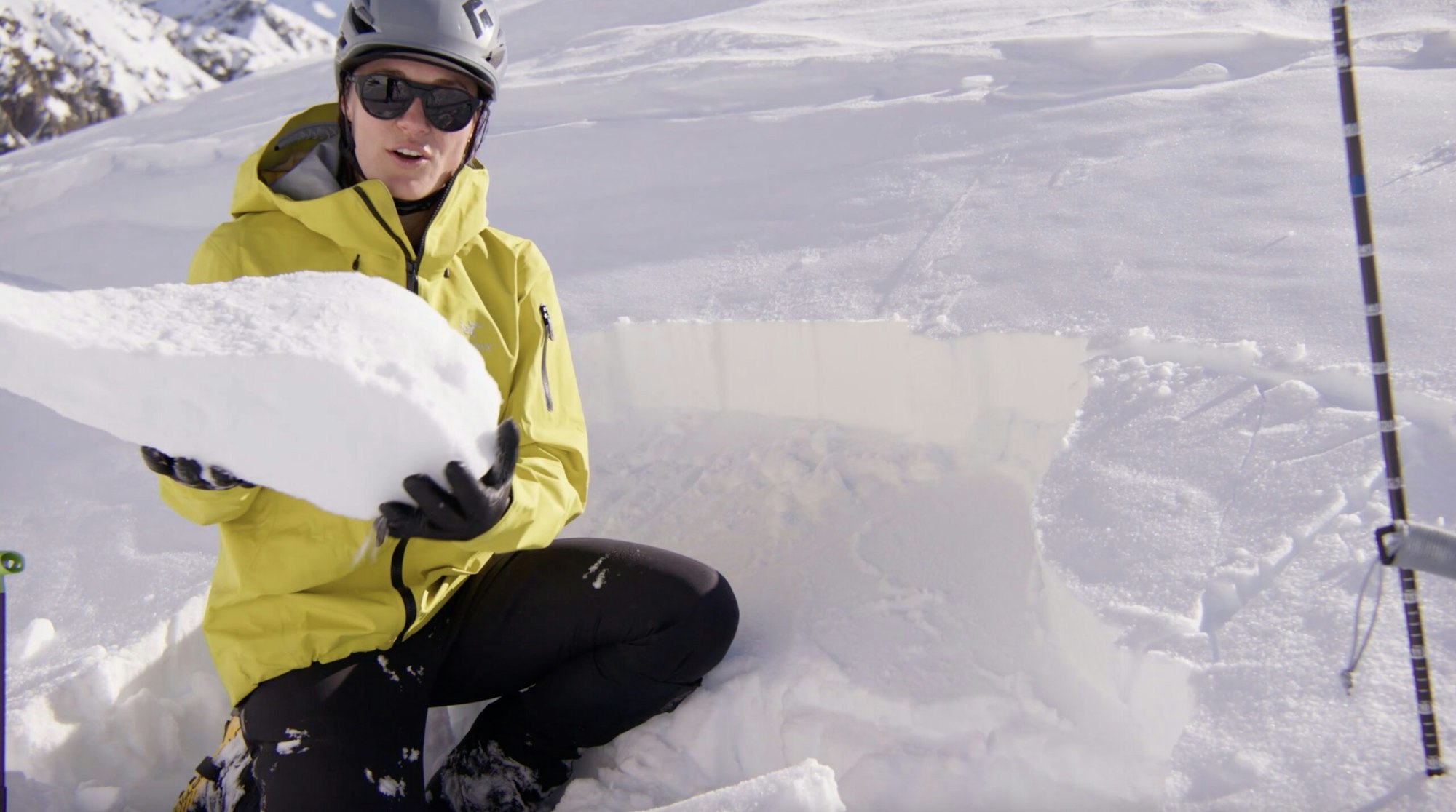
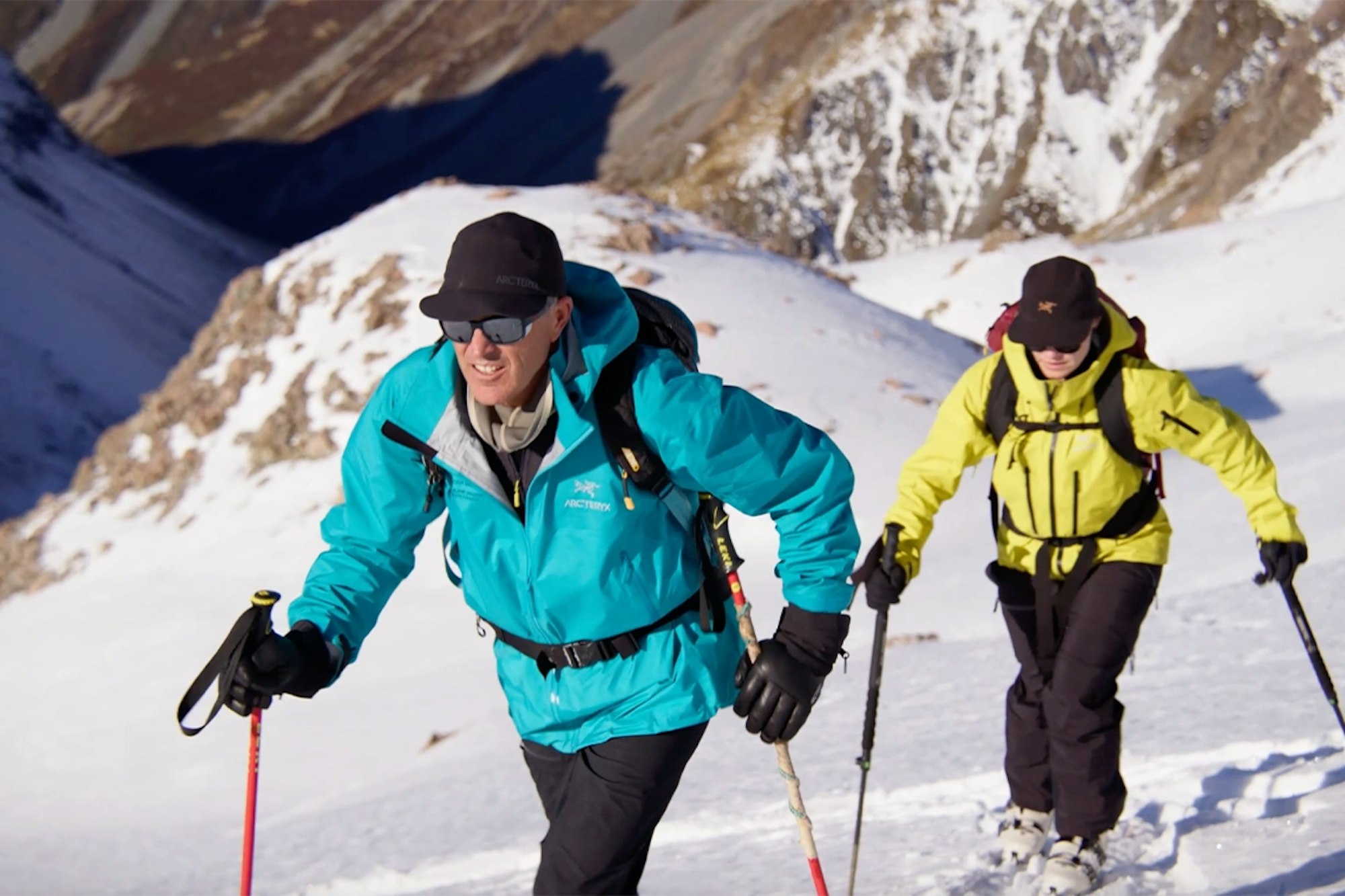
NZ Mountain Safety Council Alpine Advisor Bianca Bratton out in the field
Generally speaking, a shallow, early-season snowpack exists. Variable freezing levels and some periods of cold, fine weather have contributed to a variety of layers within the snowpack and changeable skiing conditions. It varies widely across the country, however, with the North Island regions seeing significantly less snow than those in the central and lower South Island. Nevertheless, there is some great skiing to be found all over.
With that in mind, what should skiers be aware of as they head into the backcountry in the coming days and weeks?
This time of the year we see a shallow snowpack with rocks still visible and often icy surface conditions, which combine to create a significant sliding hazard.
Beyond that, don’t let the early-season snowpack fool you into a false sense of security. We’ve already seen some reactive conditions in isolated areas. It’s important to travel cautiously, check the avalanche forecast daily (which you can find right here ), and approach terrain decisions conservatively while the snowpack remains variable.
What are the main factors that make the snowpack in New Zealand difficult to forecast? Which problems are frequent each year?
New Zealand’s snowpack is hugely influenced by our maritime climate and geography. We get rapid shifts in temperature and freezing level, with resulting precipitation fluctuating between snowfall and rain within short periods.
We get a lot of strong winds that redistribute snow constantly, and large temperature swings as I mentioned—all of which create complex layering and rapid changes in stability. I would have to say that wind slabs are our most common avalanche problem and are associated with the vast majority of our avalanche incidents.

What does an average day in the field look like for one of your forecasters?
We have a team of 23 avalanche forecasters and two technical supervisors, who are all experts in their field with a huge variety of experience and vocations. NZ’s forecasting team is employed in snow-based operations such as heli-ski guiding, ski resort snow safety officers, avalanche educators or search and rescue.
Unlike many of our international counterparts, and given the relatively small pool of suitable individuals in NZ, forecasting is a part-time role where they use observations from their main employment, our InfoEx sharing platform, public observations and weather data, and apply it to their public forecast updates.
A lot of the forecasting role is spent crunching numbers and data from weather stations, the NZAA InfoEx platform and using public observations to come up with the most accurate representation of what is occurring in the snowpack in a particular region.
Considering all that, what is your favorite part of the job?
While we may not see the same number of incidents as our international counterparts, like in Colorado or British Columbia, there is a large and growing community of backcountry skiers, boarders and mountaineers in NZ. I love that our work directly supports people making safer decisions in the backcountry, and this extends to other activities like winter hiking and hunting, both popular in NZ too.
Every day presents a new puzzle for the team, whether it’s interpreting the snowpack across a region, dealing with dynamic weather, or understanding how people are interacting with the terrain.
For those of us looking to ski in NZ one day, where should we head?
Treble Cone is what I’d call my home mountain and my favorite, so I’d say there. On a powder day, the Motatapu Chutes are hard to beat—they’re some of the best controlled in-bounds terrain I’ve come across anywhere in the world.
The steep, sustained lines and natural features make it a proper alpine experience, while still being within ski area boundaries. When it’s filled in, it’s world-class skiing!