Featured Image: Unsplash.com
It's that time of year when more and more people start venturing into the backcountry. Whether it's to find ski lines in the high country, climb, hike, backpack, or trail run, the summer season sees far more backcountry users than winter. The warmer weather and longer days are much more inviting to the average person than below-freezing temperatures and 4 pm sunsets but that doesn't mean backcountry travel in the summer doesn't come with its own set of hazards. Concern for avalanches is replaced with lightning, bears are no longer sleeping and water filtration is a necessity—not to mention hypothermia is still very much a possibility. To help prepare for your next backcountry adventure, we've put together a list of safety tips specifically for summer, below.
Check the Weather
Summer in the mountains can be beautiful but lightning and thunderstorms often roll in in the afternoons and it's crucial to know the signs and safety protocols when that happens. The odds of being randomly struck by lightning are low but those odds significantly increase if you're on top of exposed summits and ridgelines. Checking the weather and avoiding backcountry travel during forecasted storms is the first, surefire line of defense. If you happen to get caught in a rogue storm, immediately start moving down from summits and ridgelines into a sheltered forest or if you're close enough, back to your car or sheltered tent, avoiding tall features that stand out from everything else. Drop any metal objects you may have on you, including ski or trekking poles and backpacks with metal frames; if you have a dog with you, remove their collar. Separate yourself at least 100 feet from others in your group and avoid standing on or near rocks or any amount of water, whether that be a lake, river or even a stream developing on the trail—it doesn't take much to conduct electricity. When all else fails, crouch down as low as you can get to the ground, standing on the balls of your feet, feet together, head lowered and ears covered. If you're in a sheltered area, don't move until 30 minutes after the last clap of thunder; lightning can follow well after a storm has seemingly passed.
Pack to be Prepared
No matter the season, backcountry travel requires the right gear to stay safe out there. It's crucial to pack layers because no matter how warm the day might be, a thunderstorm will quickly drop the temperature at elevation and if you get soaked, it's very possible to fall into hypothermia. Even on the most mellow trails, accidents can happen, so a first-aid kit should always be in your pack. Nutrition and hydration are key to keep moving, so pack more snacks than you think you need and a water filtration device to refill from lakes and streams. Sunscreen, a headlamp and some sort of satellite communication device are three other items I never head into the backcountry without, no matter if I'm just going for a mountain bike ride or a multi-day backpacking trip.
Phone a Friend
We've all read the book or seen the movie of the same title, 127 Hours . If you haven't, put it on your list so you never forget to tell a family member or friend your plans before heading into the backcountry. Whether you're traveling solo, or with a group, it's important that someone back in civilization knows your general itinerary, like the location you'll be and when you plan to return. That way, if something goes terribly wrong and you're not able to communicate for outside help, that person will notify search and rescue when you don't return on the established date.
You're In Their Territory
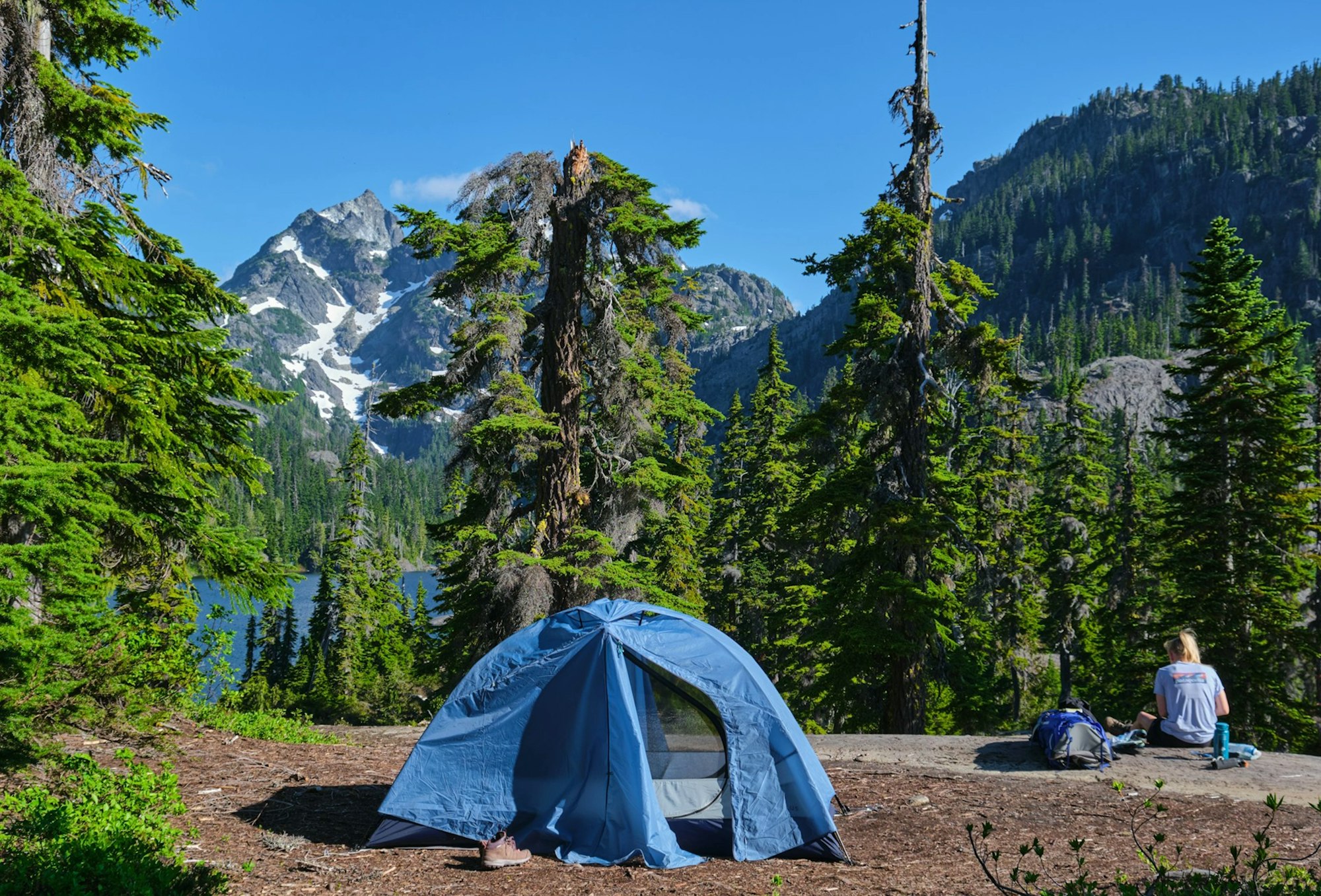
One of the perks of winter backcountry travel is that you don't have to worry about bears or snakes, but come summertime, you're very much traveling in their territory. Always carry bear spray with you whenever you're in bear country and if you're traveling with a dog, attach a bear bell to their collar or harness. To avoid running into a bear by accident, periodically make noise by clapping, singing, or calling out "hey bear!" and keep your dogs on a leash or within sight. At camp, ensure all scented and food items, including trash, dog food and deodorant, are securely stashed in a bear bag or box and hung up in a tree plenty far away from your campsite.
The distinct rattling sound from rattlesnakes is easy for us humans to detect but dogs don't always associate that sound with danger. Veterinarians offer rattlesnake vaccines for dogs, and there are rattlesnake avoidance courses you can take with your four-legged adventure buddy. If it's you or someone else in your group who gets bitten by a rattlesnake, contact emergency help immediately and calmly start moving toward help. It's important to keep the victim's heart rate as low as possible to prevent the venom from spreading through the bloodstream. And no, sucking on the snakebite will not remove the venom—only slow down the rescue process.