
As skiers, we love Mother Nature’s gifts and natural wonders, but as skiers, it is also our job to be thoughtful stewards of the mountains we love. It is also up to ski resorts to run on renewable energy and be smart about reducing their environmental impact. So, in honor of Earth Day, here are three resorts that use renewable energy to run the places where we love to ski, eat and play.
Arapahoe Basin, Colorado


Arapahoe Basin’s sustainability program is one of Colorado's most impressive, as the resort set a goal in 2018 to reach carbon neutrality by 2025. The resort was ahead of schedule, achieving this plan two years in advance, and announced 100% renewable electricity sourcing in late 2023.
The plan had six steps, including working toward 75% waste diversion, improved transportation efficiency, responsible procurement, no net increase in domestic water use, and continuing to lead in ecosystem stewardship and wildlife management, according to the Arapahoe Basin Website . The resort partnered with multiple companies to achieve this. These companies included Terrapass, which helped the resort offset its carbon emissions, Xcel Energy, which helped the resort generate energy from solar and wind farms, and Jack’s Solar Garden. But A-Basin also has on-site renewable energy with more than 30kW of PV solar capacity. The resort continues to work every day to keep this mission going.
Jackson Hole, Wyoming

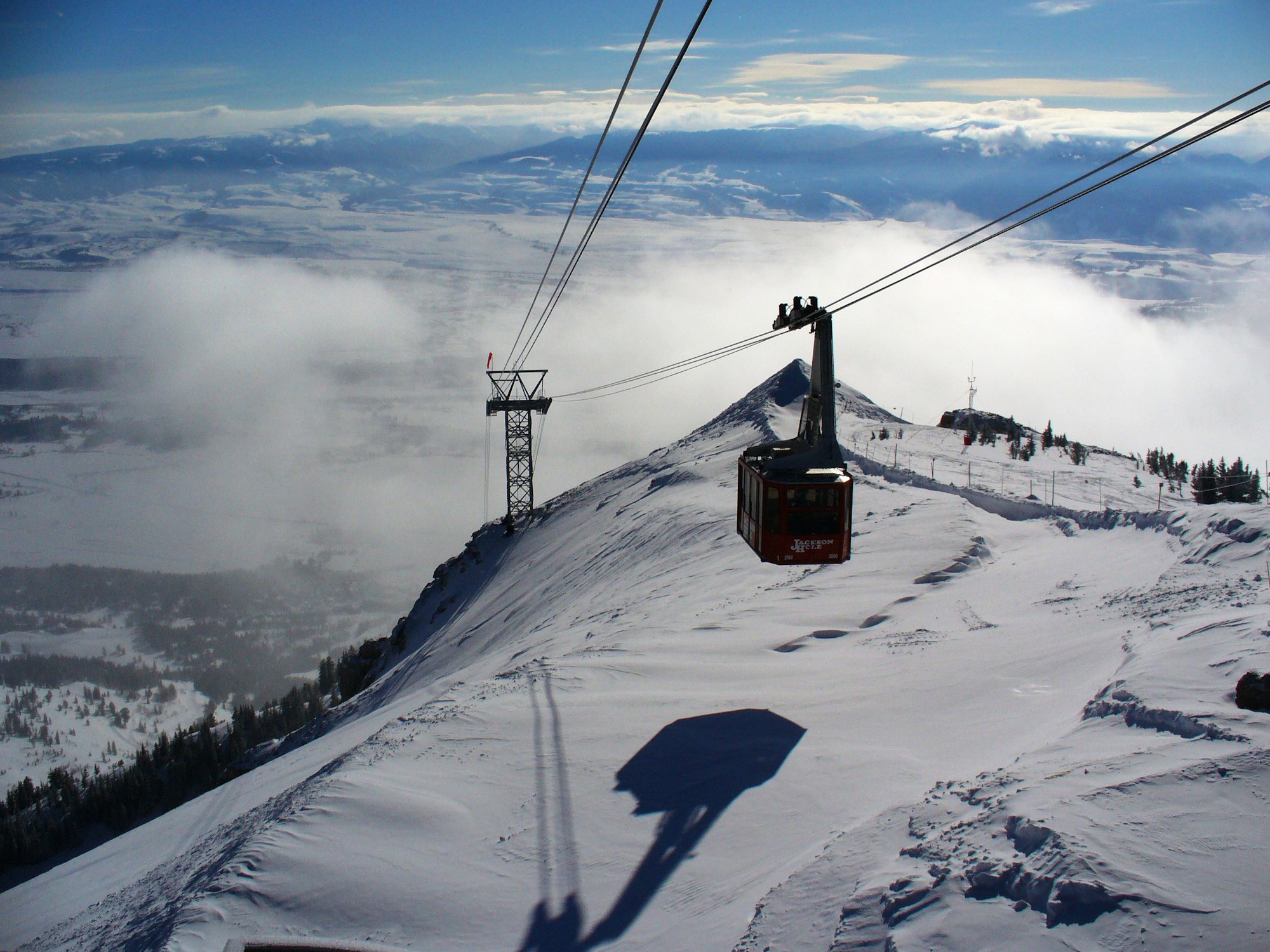
As one of the top big mountain ski resorts in the U.S., it is quite impressive that Jackson Hole switched to 100% green power. Jackson Hole switched in 2019 to 100% green-powered lifts, facilities, and base operations. The resort mainly sources its energy from Horse Butte Wind Farm in Idaho.
According to the resort's website, Jackson Hole's location so close to some of America’s biggest national parks makes it a fitting candidate for incorporating green power. The resort is also starting to think more in-depth about environmentally friendly purchases. For example, the resort is working with contractors to have designs and materials reviewed before construction and is implementing purchasing strategies, such as food sourcing.
Snowbird, Utah

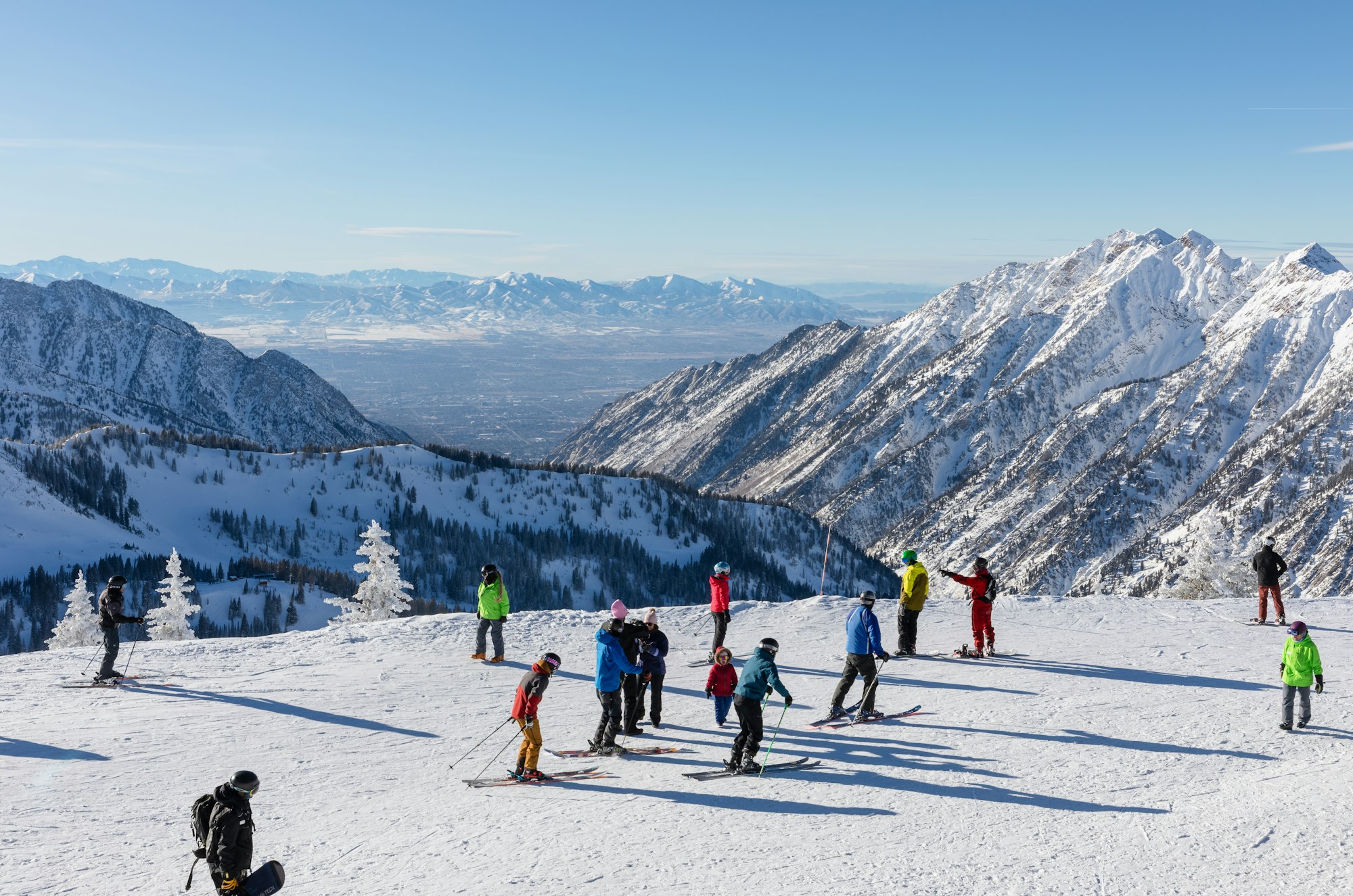
Snowbird's Play Forever sustainability mission recognizes that the health of the environment is vital to skiing’s future. Snowbird has been the only resort in North America to operate a cogeneration facility since 1986, according to the Snowbird website.
Cogeneration creates energy and heat for many of the resort's buildings and lifts while simultaneously reducing emissions and resource consumption. The facility has been upgraded since 2021, and according to Snowbird's website, the upgrade has made it 60% more energy-efficient. The resort has also helped reduce its carbon emissions by 50% with Snowbird Power Systems. To put the cherry on top, with every season ski pass that is purchased, a tree is planted.
Carpool and Public Transit

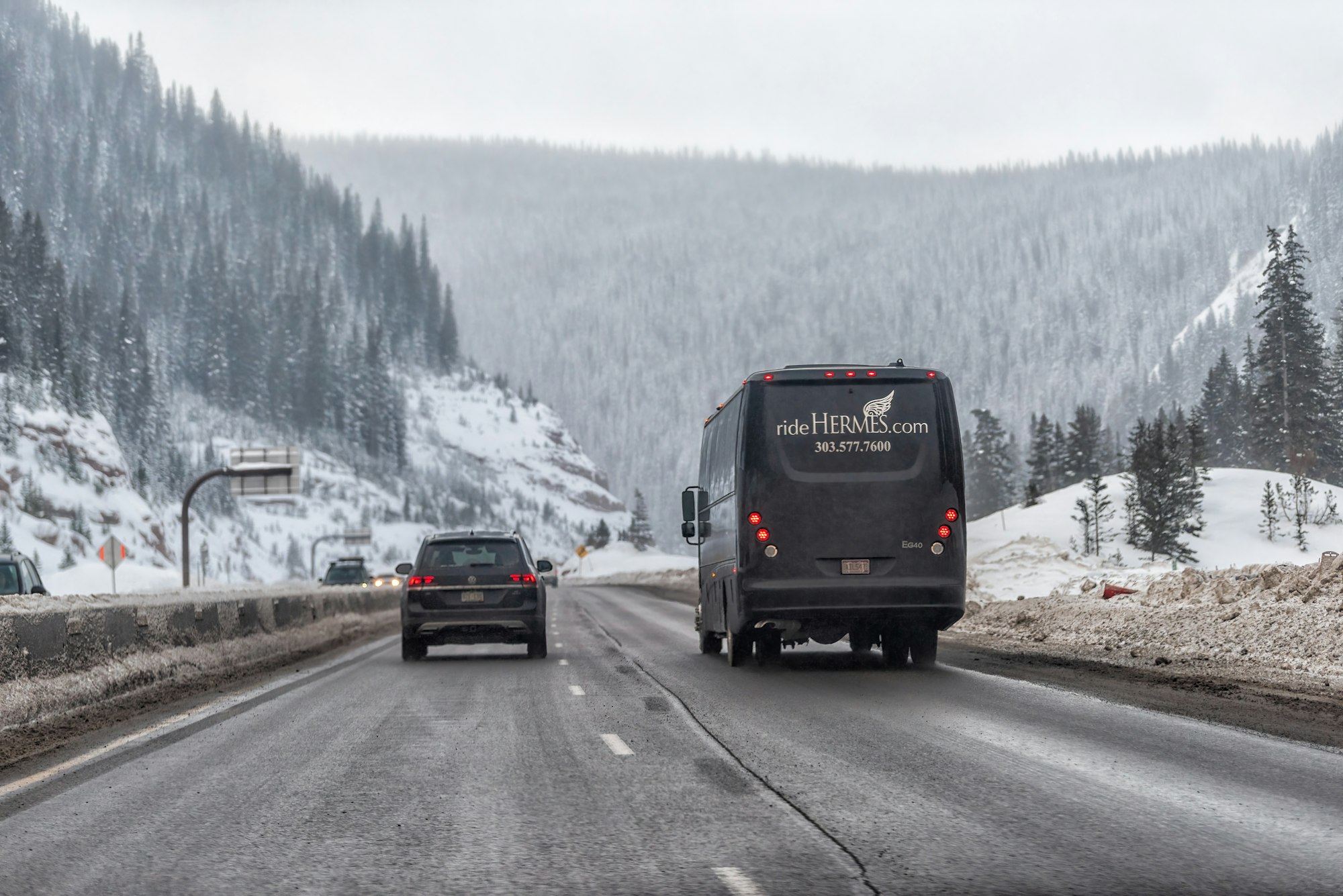
Driving with friends or taking public transit is a great way to reduce carbon emissions from cars and congestion at ski resorts. Many resorts offer bus or shuttle services that can pick skiers up from the closest town or from parking lots outside the resort.
Bring Reusable Containers


Using reusable water bottles, coffee mugs, and food containers helps reduce single-use plastic waste. Many resorts now have free water stations with reusable cups as well.
Pack a Lunch
Packing your own lunch not only saves you from buying expensive lodge food but also helps reduce food waste, which lowers your carbon footprint.
Help restore gear and don’t just buy new stuff
Repairing damaged clothes and gear, or even just taking the steps to care for your gear to help extend its lifespan, can help reduce the number of factory-manufactured items you buy . Also, participating in gear trades or buying used ski gear is a great way to keep this recycling process going.