Featured Image : Christian Ridings
If there is a time to nerd out about weather and meteorology as a skier, it is now. Last Thursday, the U.S. National Oceanic and Atmospheric Administration (NOAA) officially confirmed that El Niño is here and stronger than ever . According to a report by 9News Denver , meteorologists say there’s a 63% chance that El Niño will become so intense this late fall and early winter that it would rank among the largest El Niño events in the historical record dating back to 1950.
Only two to three months ago, we were in a La Niña, which is when the tropical Pacific Ocean experiences colder-than-average temperatures, generally causing a flip in weather patterns compared to an El Niño. For example, in the U.S., those of us in the Central West regions saw a very dry and warm winter this year, while the Northeast saw more general La Niña weather patterns: colder temperatures with more precipitation.
But now, the Pacific Ocean is experiencing above-average temperatures due to El Niño and regions in the U.S. will be switching weather patterns again. According to 9News, this quick shift in temperature over a span of two to three months is “borderline unheard of.”
This rapid shift will bring intense weather patterns across the globe, including wetter and warmer conditions in the U.S., particularly in the Central West. But these warmer temperatures don’t necessarily mean that we won’t have a snowy winter anywhere. South America's first major snowstorm of the season may be an early example of how wetter El Niño-driven weather can translate into significant snowfall in mountainous high-altitude areas.
What Does This Mean For Ski Season in The U.S.?
According to the report, the biggest effects of an El Niño are often seen in winter, when the South usually sees wetter weather and the PNW sees warmer, drier weather. In the past, during El Niño weather patterns, the PNW saw a wetter fall and drier winter, with more rain than snow.
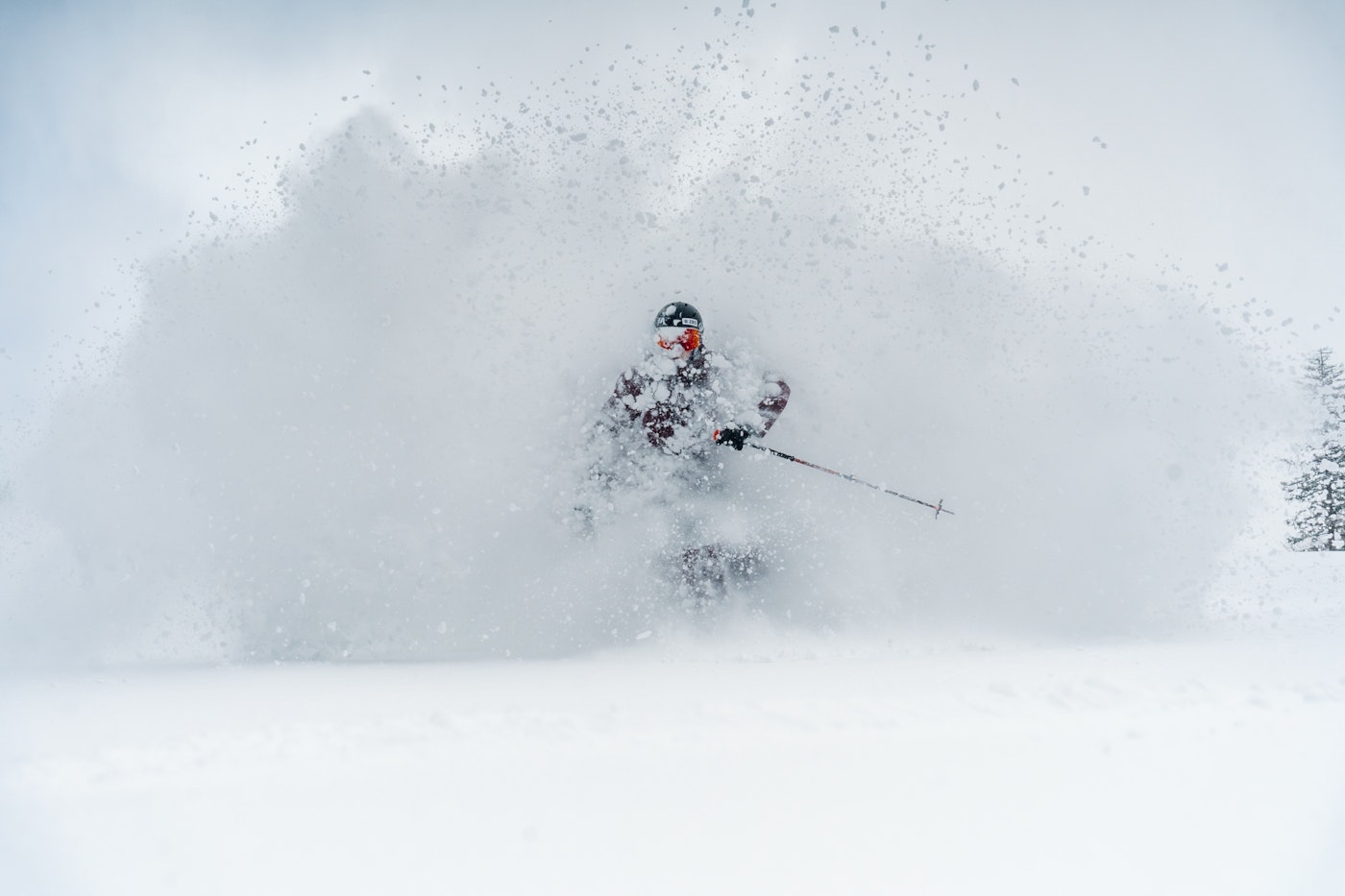
For more centrally located states like Colorado, Wyoming, Utah, and California, this could improve the odds of an active snow season. Nothing is a guarantee, though. But…the odds for a snowy season in southern Colorado are especially high as the climate shift brings increased moisture to Colorado from the south and west. This past ski season the Rockies and Southwest saw 32% to 52% lower than average snowpack records, according to the Colorado Climate Center.
But this El Niño could bring these regions out of the drought they are facing due to low snowpack with a wet fall and winter. According to 9News, historical data from the last four major El Niño events show Colorado statewide snowpack ranging from well above average to 131% of average, with Denver consistently seeing higher-than-average snowfall totals.
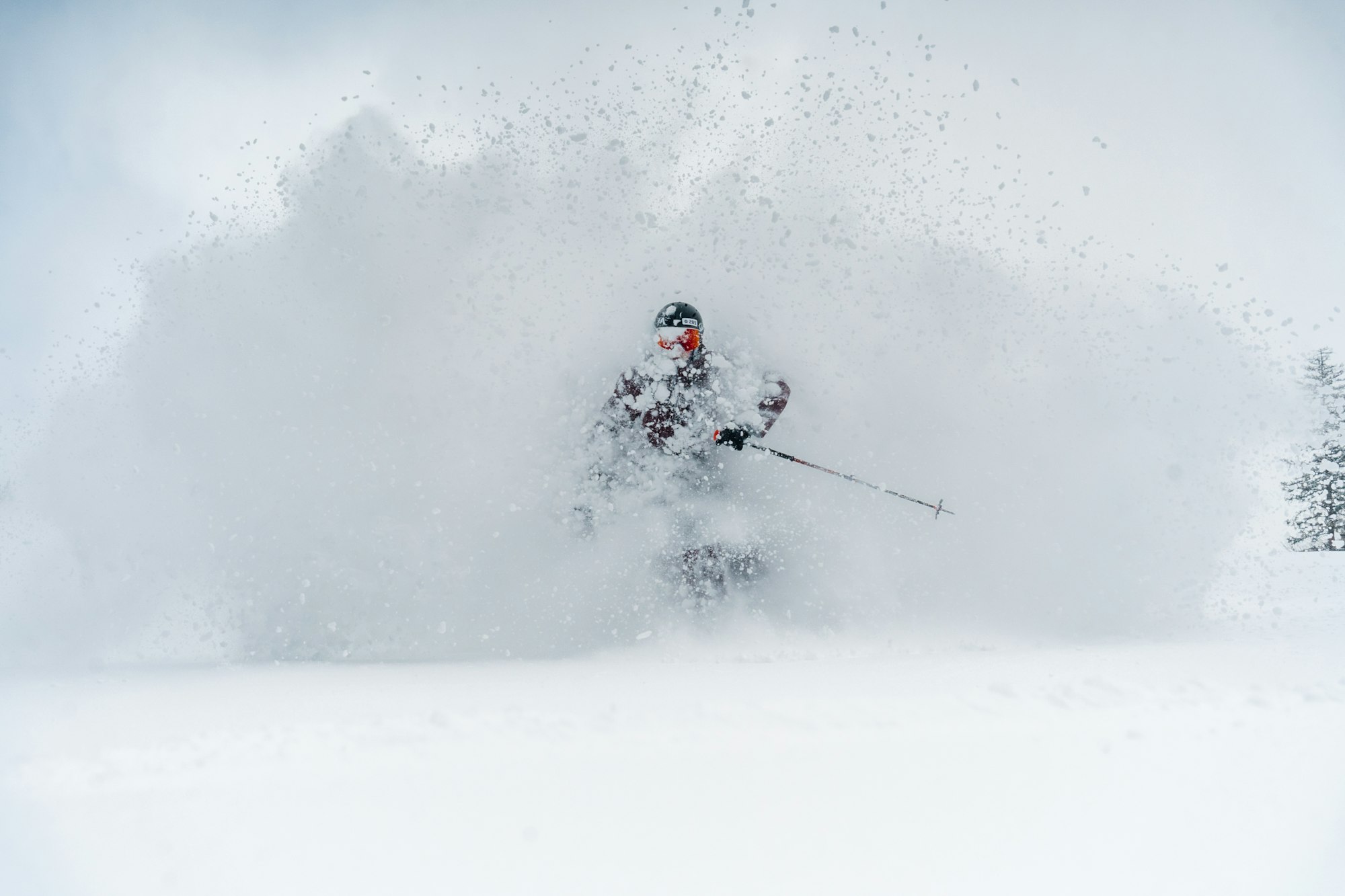
Only time will tell with this El Niño, and we can only hope for the best outcome. If the odds play in the Central Rockies' favor, skiers in that region will be replacing their rock and carving skis for powder skis this next ski season.