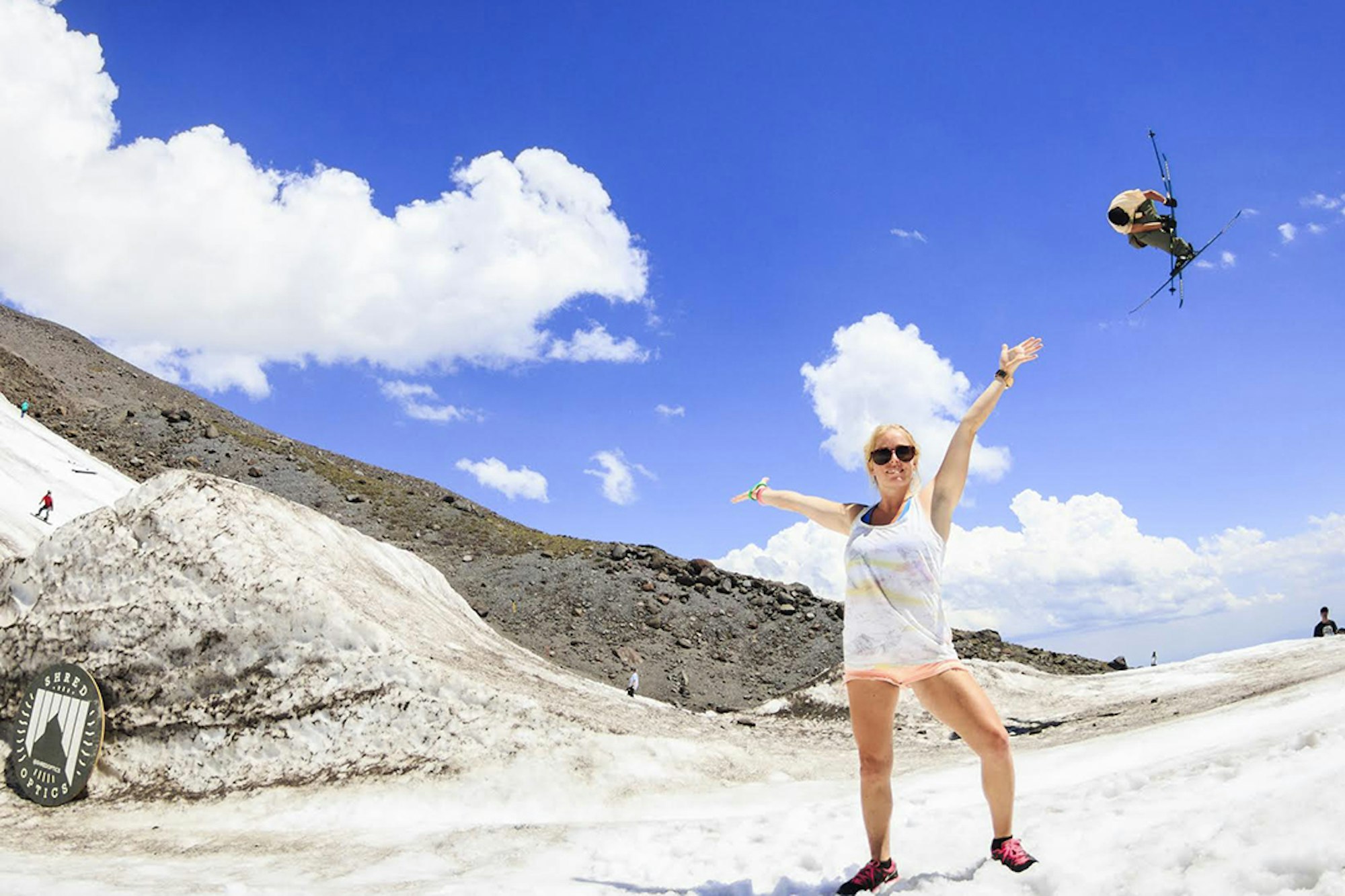
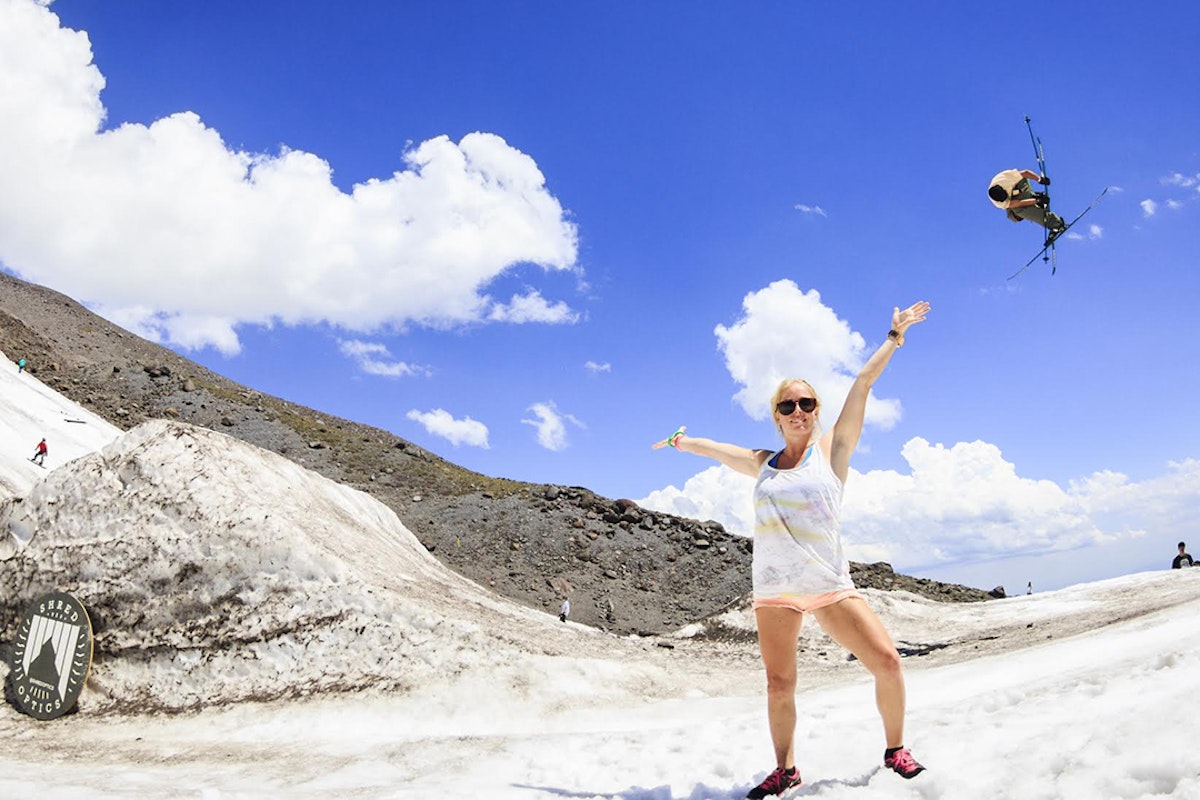

On April 11, 2015, Jamie Crane-Mauzy suffered a traumatic brain injury while competing in the AFP World Championships slopestyle finals at Whistler Blackcomb. Hospitalized in Vancouver, Crane-Mauzy spent five days in a coma. She then spent three days in a medically induced coma, at which point she was transferred to the Intermountain Medical Center ICU in Salt Lake City. On April 25 she was moved off the so-called “life or death list” and was transferred to a trauma specific 24-hour care floor. She improved, and on April 30 she was moved to an in-patient rehabilitation floor and after intensive training she was released home on May 15.
Recognized as a “dual-threat” on the competitive freeskiing circuit—meaning she contends in both slopestyle and halfpipe disciplines—Jamie is now at home in Park City doing better than anyone could have expected. She has completed the rehab requirements of a “normal” patient, but because of her professional athlete status, she is working that much harder to return to not only skiing, but competition as well. We checked in with Jamie to see how she’s doing and what her plans for the future are.
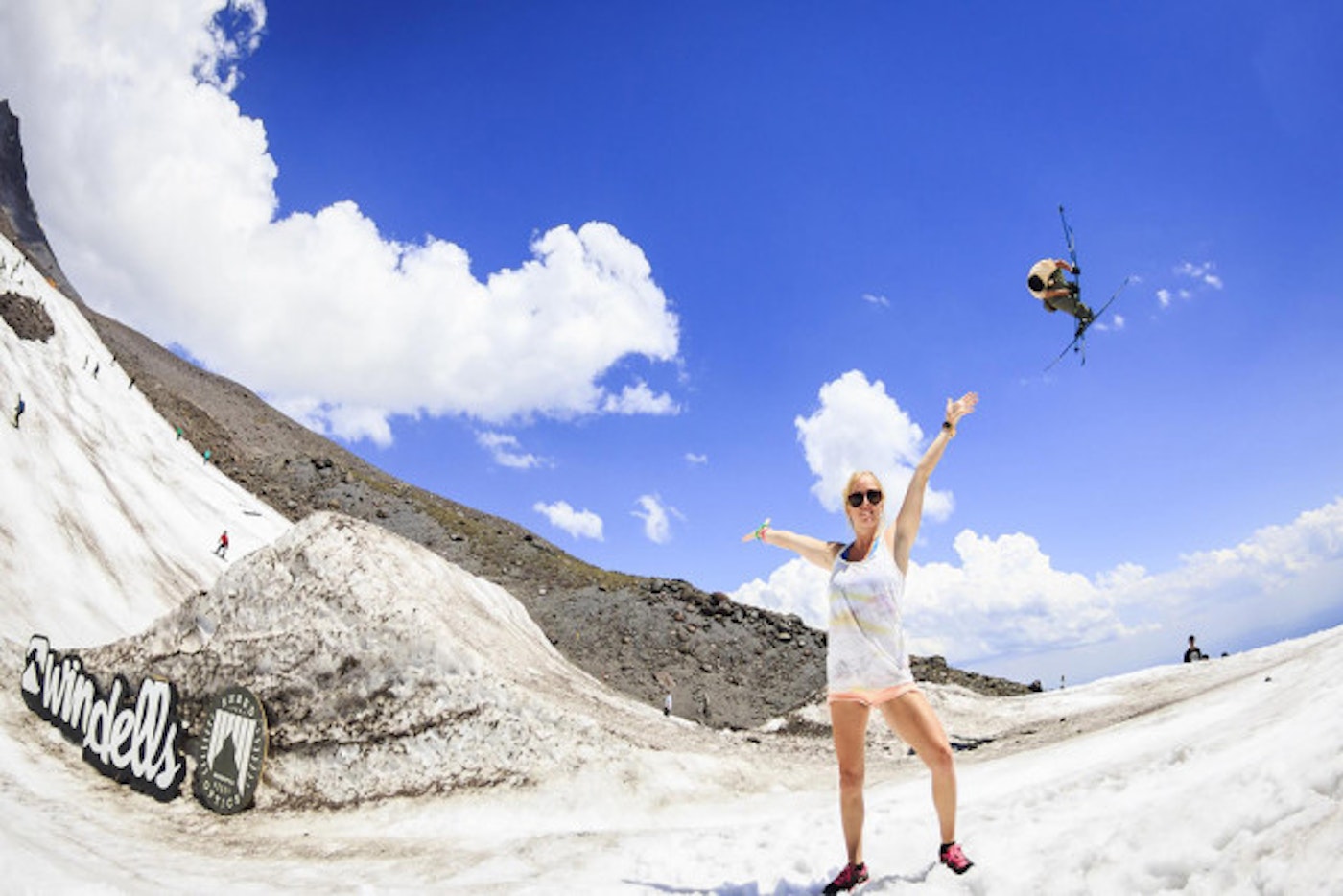
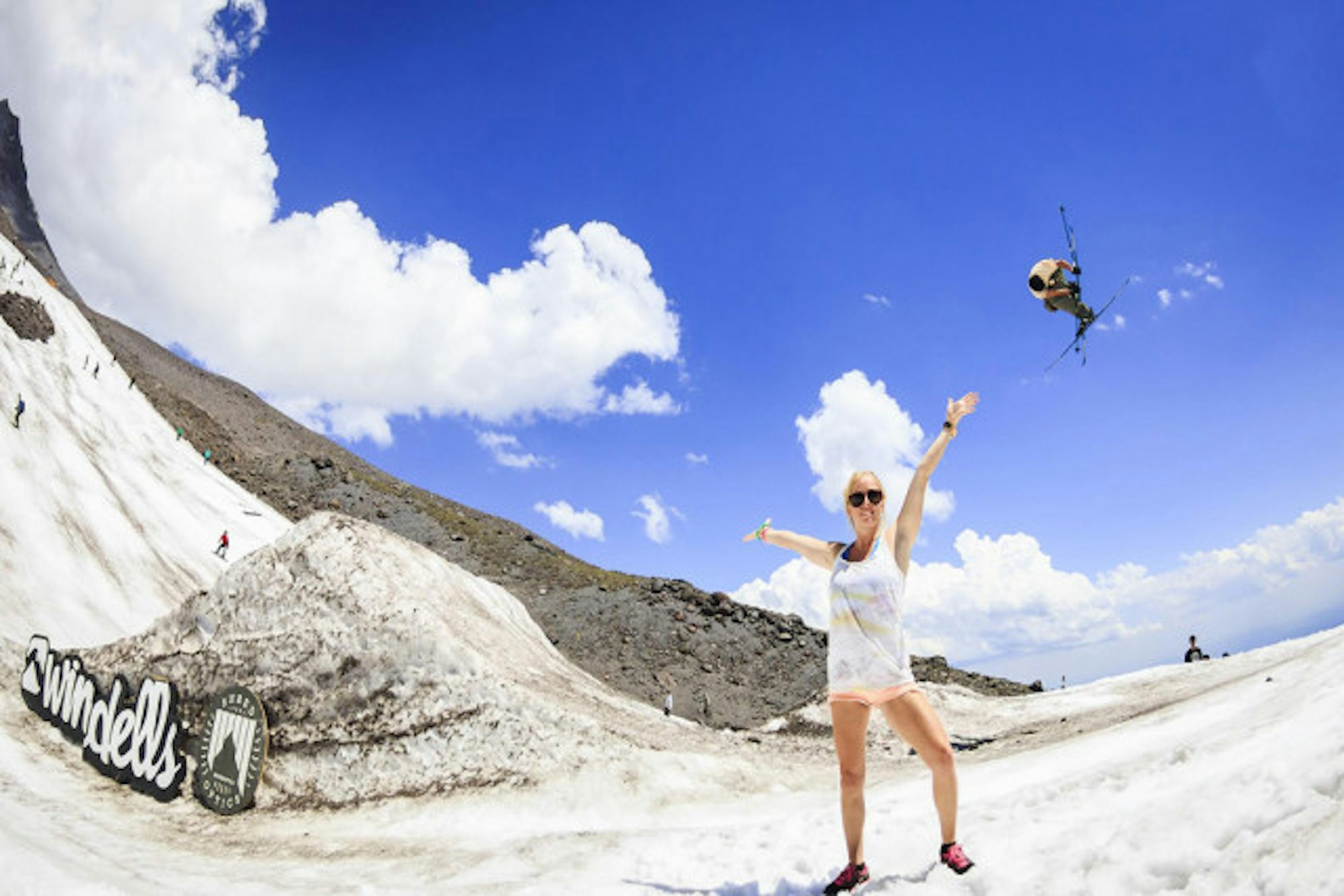
First and foremost, how are you feeling?
I am feeling great. I’m improving, so every day feels better. When I was in the hospital I could not move my right arm because of a brain stem injury on my right side. At the beginning the entire right side of my body was paralyzed, but now it all moves and it all feels normal.
What were your initial fears and emotions when you learned of your paralysis?
I was conscious of my right arm not working as well as it should have, but I still had strong amnesia and was not totally conscious enough to be that fearful. I found the whole thing kind of annoying, actually, because my arm wouldn’t work like I wanted it to. It was much easier to do things with my left arm so it was frustrating that [the doctors] always wanted me to use my right arm. Once my hand got to about 50% function I thought everything was normal, but it was challenging to continue working on [rehab] because it wasn’t as [speedy of a recovery] as I thought it would be. Thankfully, my mom was insistent and continued to make me do exercises all the time at home like putting coins in to a piggy bank, twisting caps and tops on jars and cutting food.
What other challenges have you faced during your recovery?
By far the biggest challenge was the bleeding in my right brain stem that caused the temporary paralysis. They put stimulators on my arm to reconnect the pathway in my brain. For weeks, [as I mentioned], I had to work really hard and focus on using my right arm for everything. Now, the challenge is fine tuning and getting my cognitive skills totally back on track. Everything is in my brain, I just need to get the pathways open again.
For example, I had trouble remembering my friends’ names. One of my friends came to see me in the hospital and I didn’t even notice that I called her the wrong name about 20 times.
You’re rehabbing and training non-stop. What sorts of exercises seem to be the most helpful to you?
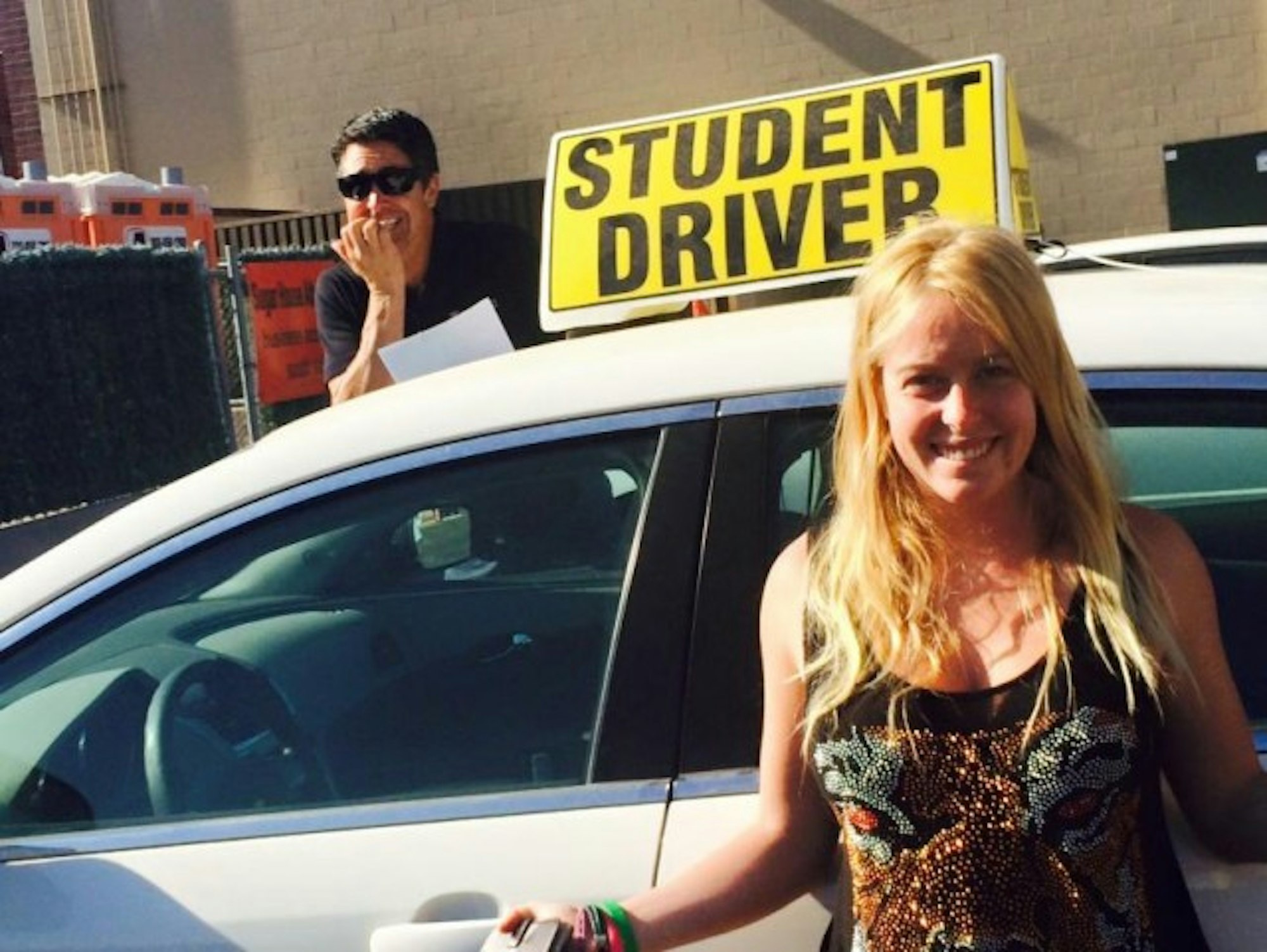
There are three different formal therapies: physical, occupational and speech. All three are totally connected. I absolutely love all the physical therapy. The therapists have come up with really unique and challenging tasks for me like standing on a wobble board, doing squats, juggling and doing mental math problems all at once. For occupational therapy, I had to get my hand-eye coordination up to speed and now I’m able to drive a car. The first time I had to drive on the highway again was during a torrential downpour in a narrow canyon. This was really a challenge, but my therapist said I did really great with all the stress and difficulty.
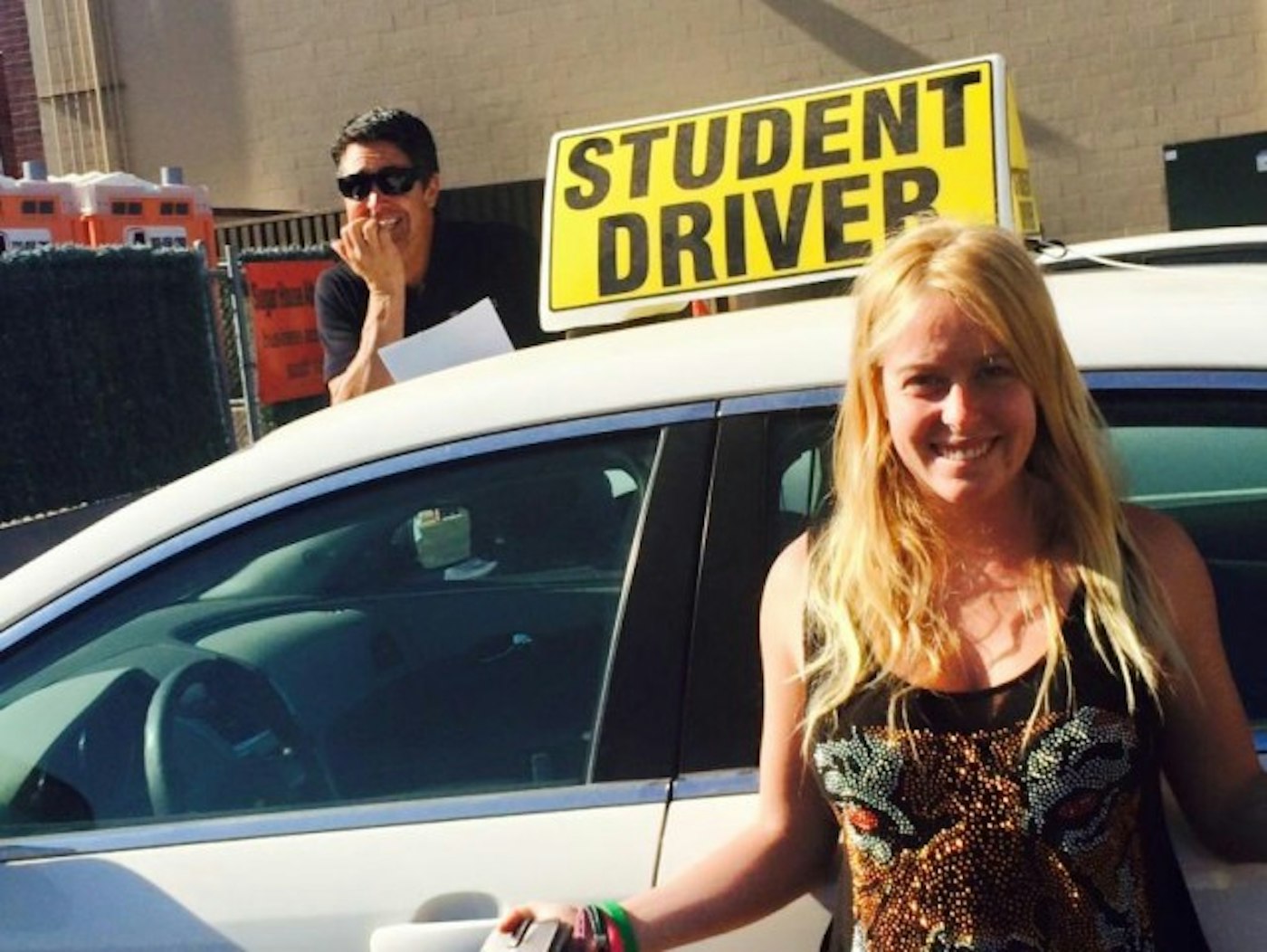
Speech therapy actually includes swallow and cognitive therapy as well. I didn’t have many speech issues, but swallowing was a real challenge. It turns out that swallowing regular thin liquids is much harder than thick liquids. I was told it could take months before I could swallow regularly, but it only took me about three weeks. The exercises are really hard to do. For cognitive therapy, I do math, complete writing assignments and work on brain teasers. I also play games like Trivial Pursuit. The most fun things are anything that is physical like hiking, hanging outdoors or yoga. The most beneficial is stuff like math and brain stimulating activities. Anything that challenges my brain is beneficial.
Just yesterday, I got to bring my skateboard in and be put in the harness that most patients use when learning how to walk. With the harness there was no way for me to fall, so I got to get back on my board and ride around. I was so stoked. I could not stop smiling.
You went to Mt. Hood not too long ago—how was it being on snow again?
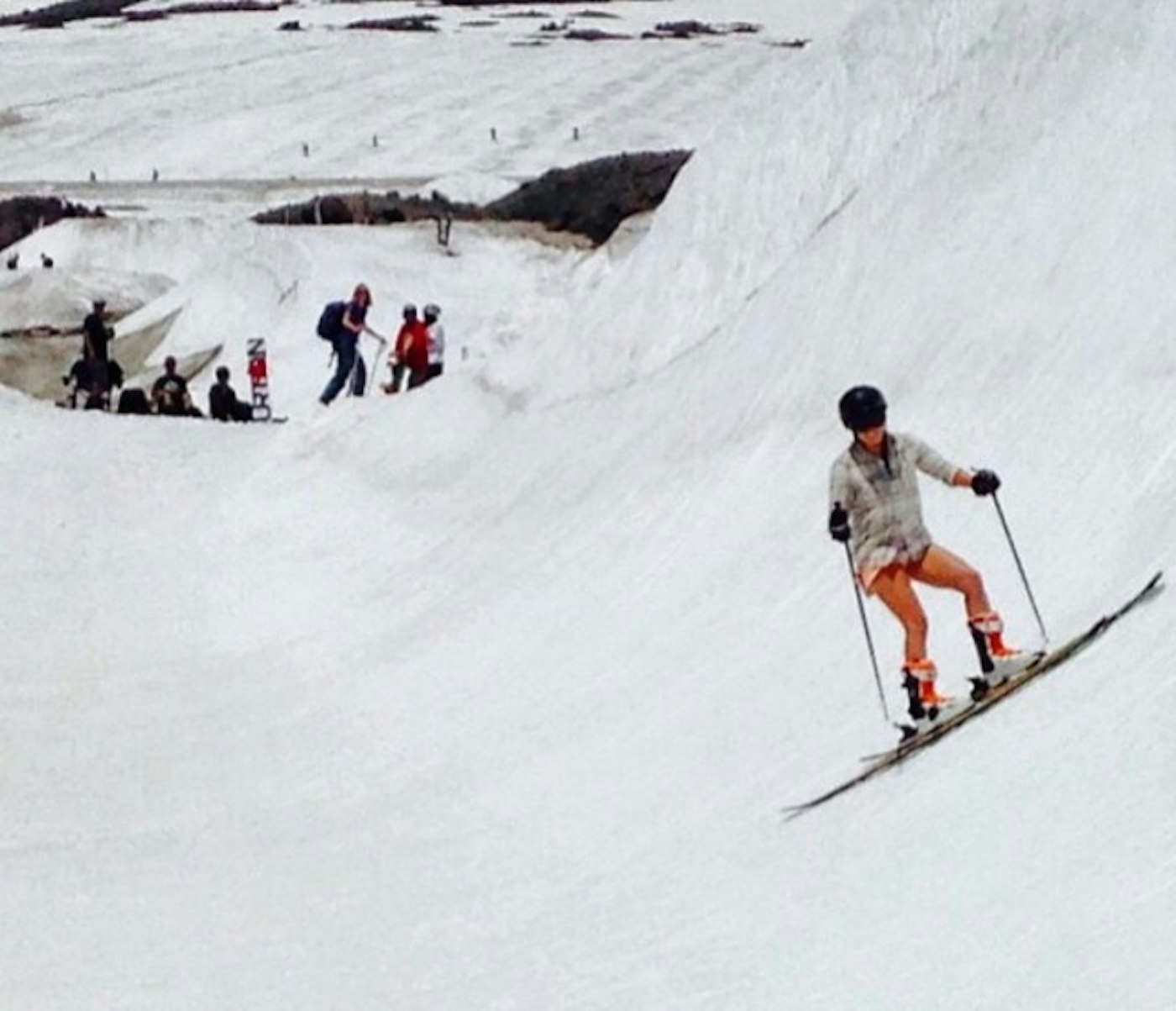
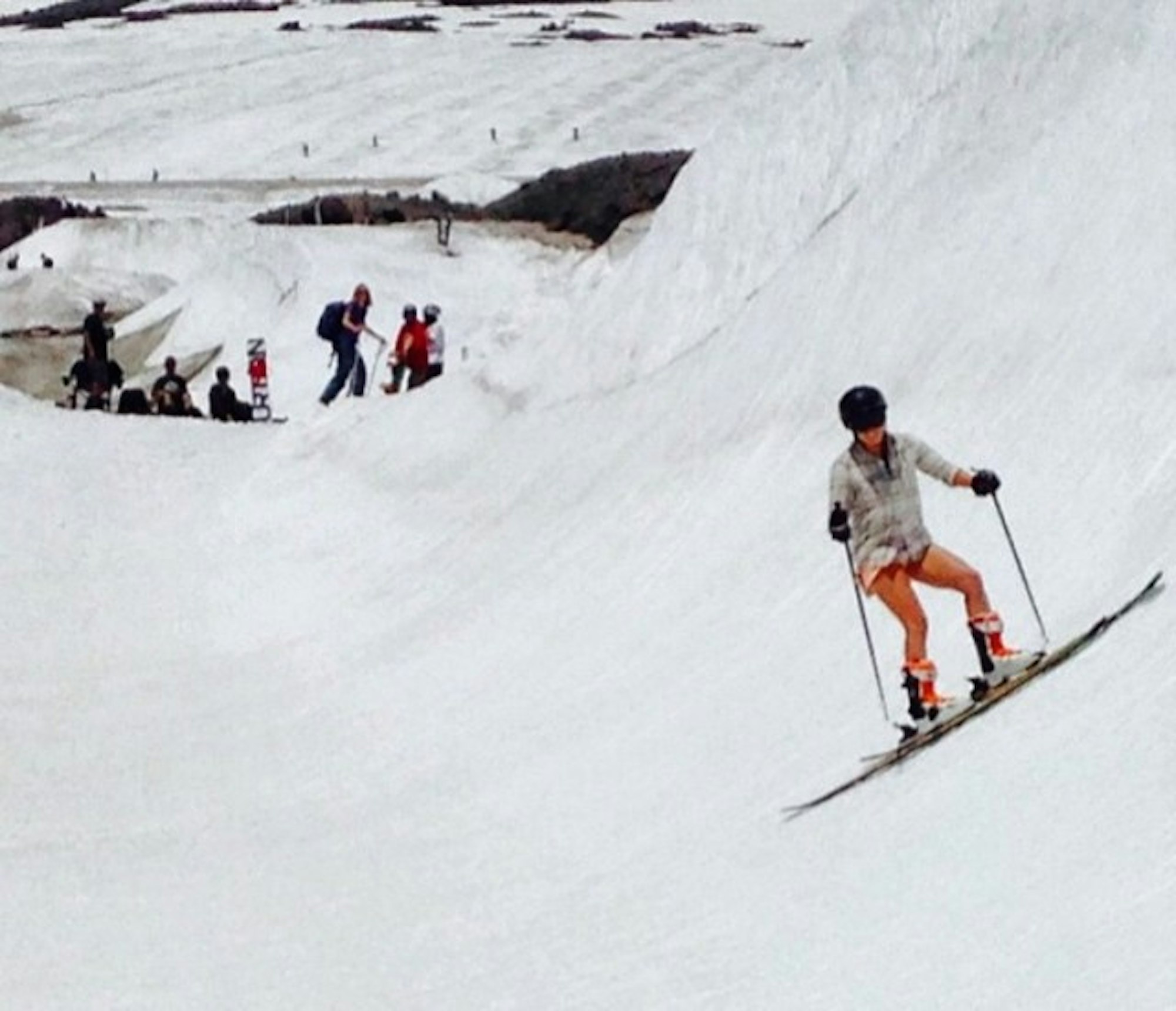
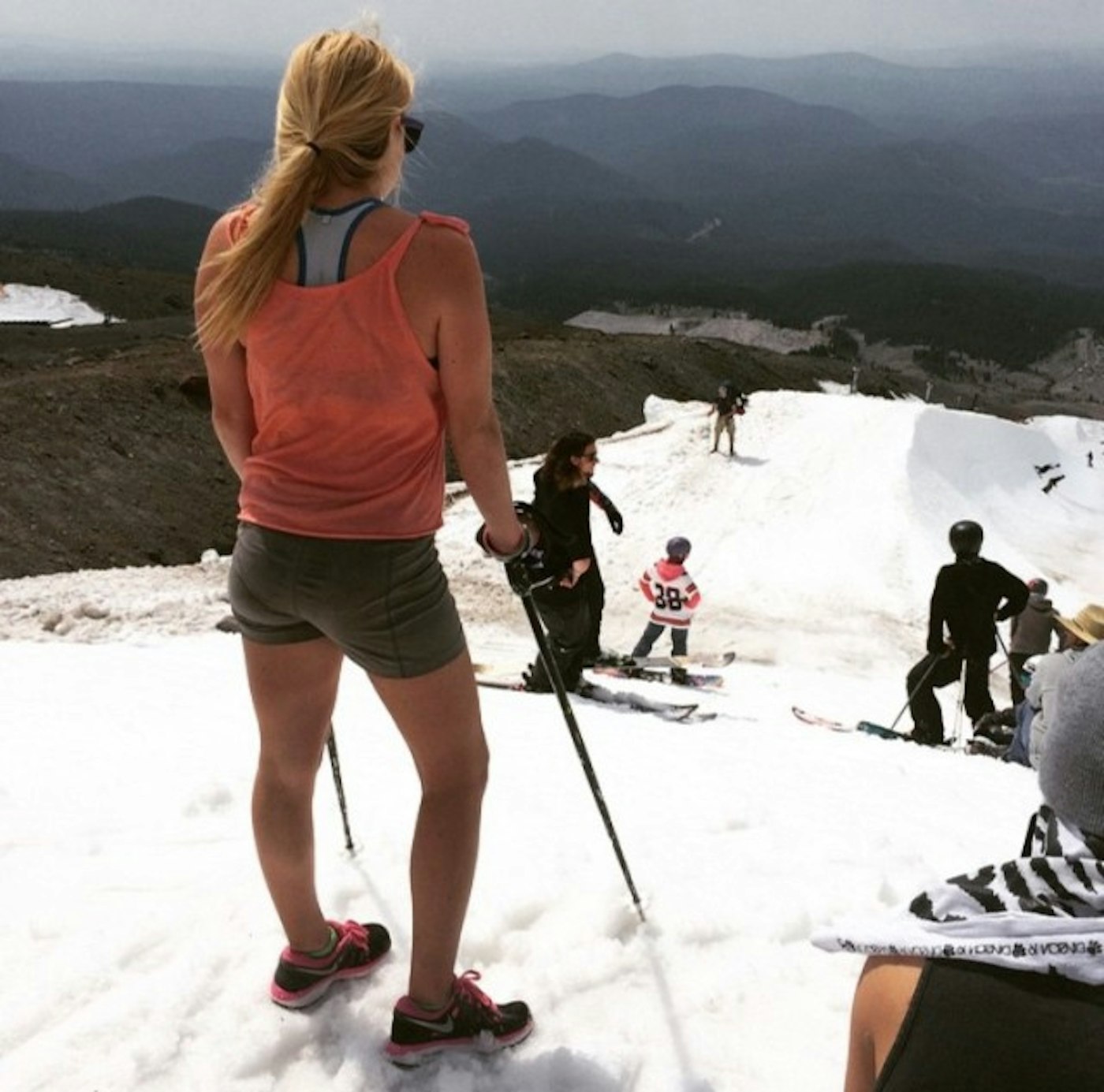
Going to Mt. Hood was so fun. I didn’t go there to actually ski, but rather to hike and see people. I had a chance to put on my sister Jeanee’s gear and slid around a little. I would barely even call it skiing; I took it super mellow. But everything worked—my mind, my body and definitely my happy emotions. I saw a lot of friends who hadn’t seen me since I got hurt. I was so excited to see them and I know that I’ll be able to ski for real sometime soon.
What is your mindset like, regarding competitive skiing, having suffered a traumatic brain injury?
Well, I can’t wait to get back to skiing. I’m really lucky because I expect to be able to go back to skiing and competing. I’m not scared because I don’t remember falling, being in a coma or the beginning of my recovery. Every person I’ve met in rehab has a different reason they got hurt. The most common was being hit by a car, so I still think cars pose a greater risk than skiing. Because the sport of skiing is so small, when anyone gets hurt, everyone knows about it. I am really glad I had my helmet on because it saved my life. I always wear my helmet. If I hadn’t been wearing it, I’d be dead.
What’s a normal day look like for you?
No day is the same for me. During my stay in the hospital I had a usual schedule for the first time in my life. Now, I go to three hours of therapy—speech, occupational and physical—three days a week. On days I’m not going to therapy, I love to go for hikes, do yoga, swim, dance and hang out with our dogs and friends. Even when I’m not at therapy I have lots of tasks and assignments to do.
How about the road ahead?
I can’t wait until I can get back to skiing. I probably can’t compete this winter, so don’t look for me in the competitions. It will take a lot of time and energy to get back to where I was before the accident, but I am determined to do so. I want to start public speaking to inspire and help others who are recovering from a life-changing injury. I’m making an appearance at the summer Dew Tour in Los Angeles in August for Rockwell Watches with my sister Jeanee and we are super excited to get to meet a whole new group of action sports athletes.
You just received an Empowerment Grant from the High Fives Foundation , how is it working with such a supportive organization?
It’s very inspiring to receive help from High Fives Foundation. I will be a High Fives Athlete for the rest of my life and that’s a big honor. I am planning to be a representative for them doing public speaking. Being invited to work with High Fives gave me a new strength, knowing that others outside my family believed in me so much.
Final thoughts?
It’s really terrific to be alive and doing so well. I can’t imagine how my family would be right now if I weren’t able to be myself. I’ve learned to always make sure to live every day of my life to the fullest, because you never know when it might change. I want to give my thanks and love to everyone who has offered prayers, ceremonies, and love to my healing, that energy has really helped. The support we have received has inspired my family to help others who are having similar experiences. I also want to thank FREESKIER for interviewing me and letting me share my story. I hope it inspires you and everyone who reads this to live, love and love living.
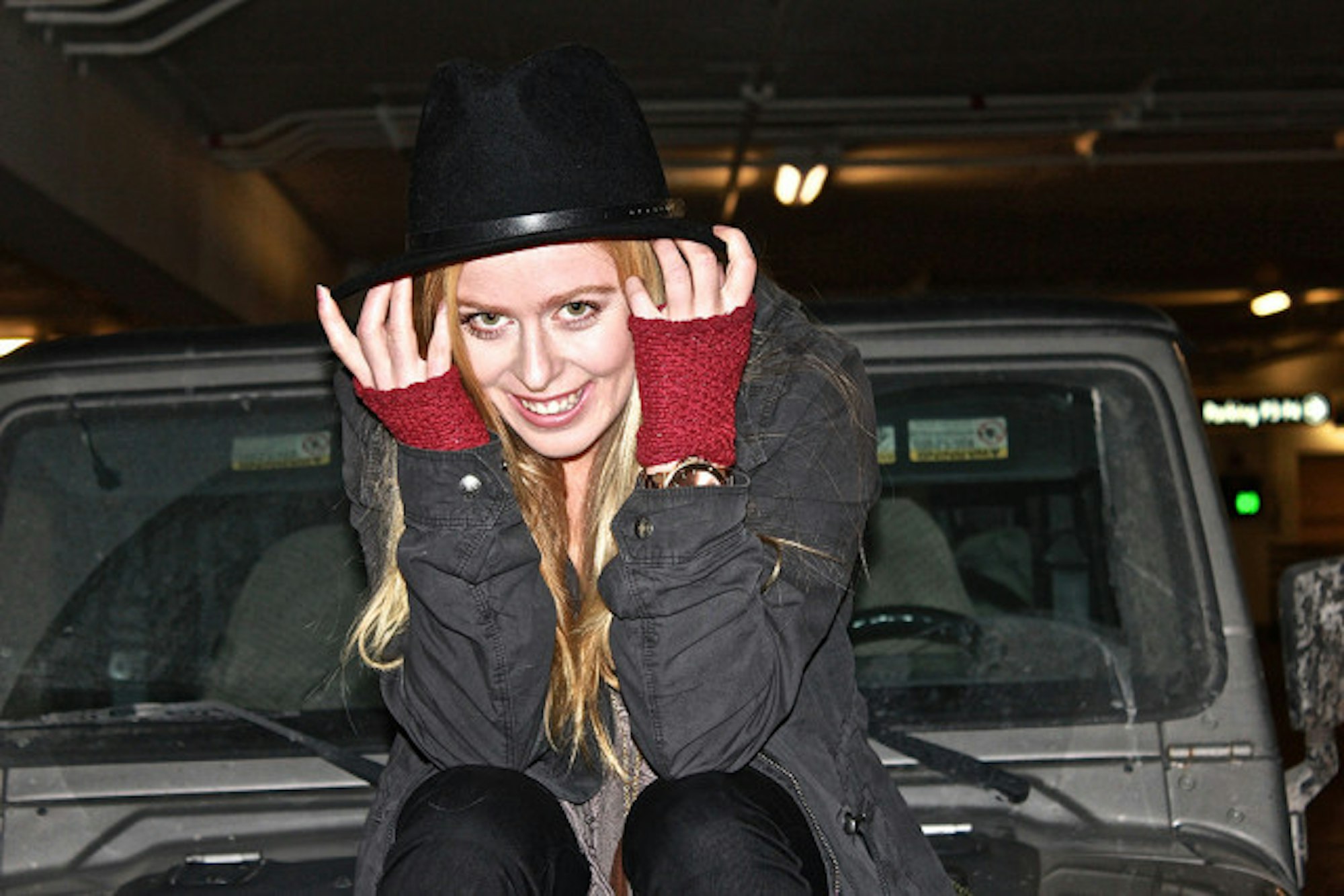
Editor’s note: Jamie’s recovery and progress has been an inspiration to all of us. She is a leader in the world of women’s freeskiing and her return to the arena is one to be praised. She’s doing better, but she’s not out of the woods yet. If you’d like to help alleviate the cost of Jamie’s medical treatment and rehabilitation, consider donating here . You can also follow Jamie’s journey through, Facebook , Instagram and the hashtag #MoCrazyStrong .
For more details on Jamie’s injury, click here .