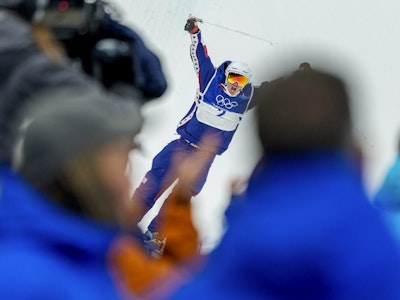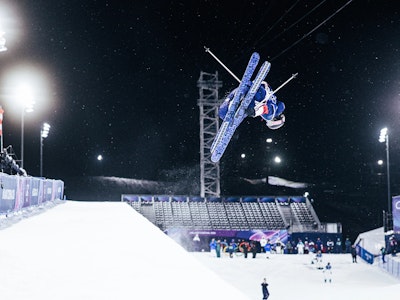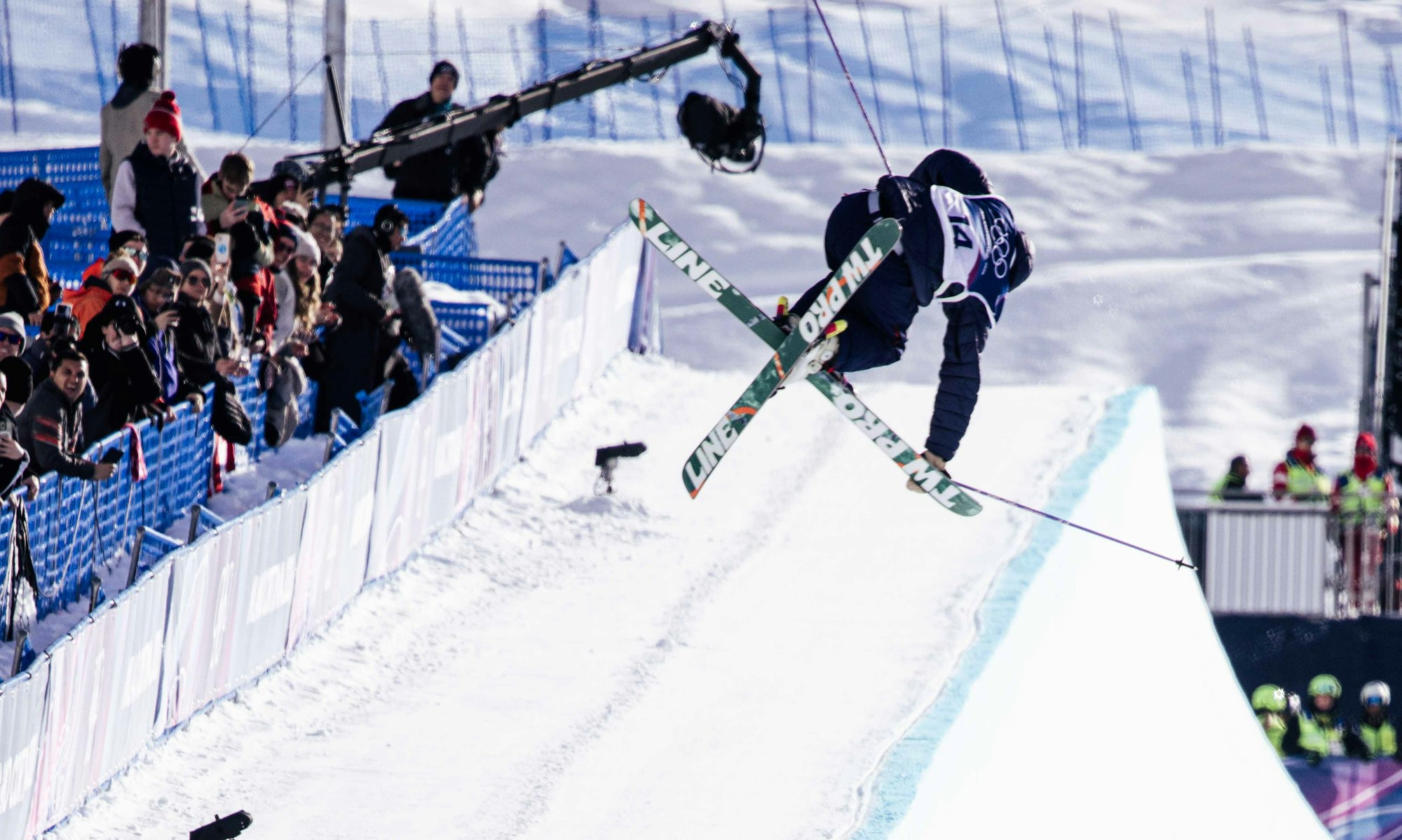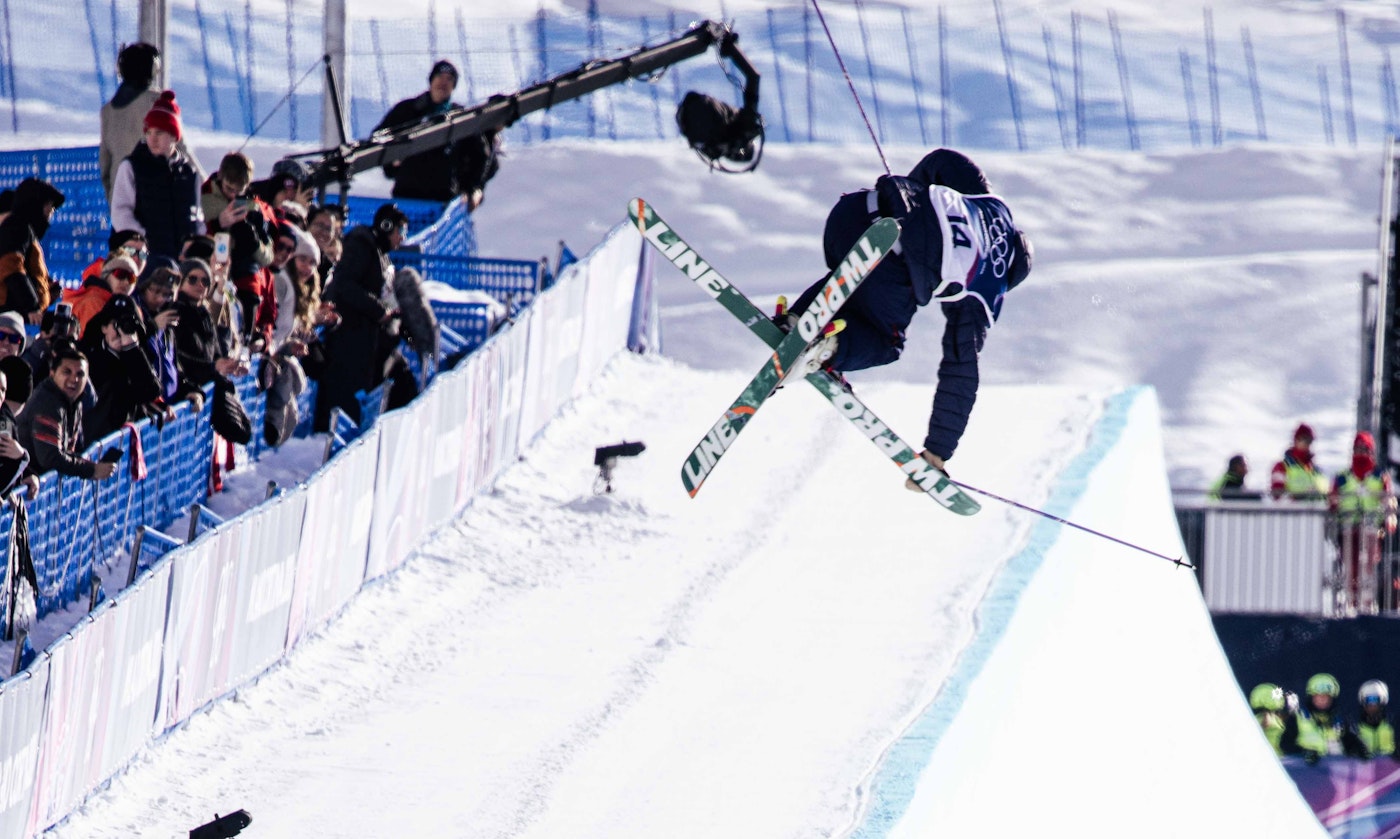
All Images: Courtesy of U.S. Ski Team | Skier: Kate Gray
The women’s freeski halfpipe final in Livigno was worth the extra day of waiting. After a weather delay pushed the event into an early-morning showdown, the athletes were handed something rare at the Olympic Games: a perfect pipe, fast snow and clear light on the biggest stage in the world. The shift in schedule demanded adaptability, and from the first drop it was clear that composure would matter as much as execution.
The opening run showed that Olympic nerves hit just as hard in the halfpipe as anywhere else. Missed grabs, small bobbles, and a handful of falls ran through the field as skiers worked to find their rhythm. Svea Irving of the United States broke through the tension first, launching a massive alley-oop 540 that set the tone for the amplitude the pipe would allow. It was the kind of moment that felt like a nod to the legacy of Sarah Burke and how far the discipline has come.
Eileen Gu, the defending champion and the most decorated freeskier in Olympic history, stunned the crowd by making a mistake on her first hit. For a brief moment, the door opened. Zoe Atkin of Great Britain, already an Olympic medalist and the top qualifier, took a calculated approach and put down a clean, conservative run to establish an early lead while the rest of the field settled in.
Amy Fraser delivered one of the most technically impressive runs of the contest, opening with a switch 900 that no other woman attempted. Her precision and composure carried the lineage of Canadian halfpipe skiing into a new generation. Kate Gray pushed progression in a different direction, stomping a bone flip that signaled how quickly the women’s field continues to evolve.
Then came Gu’s second run.
Her amplitude immediately separated her from the rest of the field. Both-way alley-oop flatspins, flawless execution and wall-to-wall speed produced a 94, the highest halfpipe score of the Games for either the men or the women. In a discipline where women have historically been scored lower, the number felt as significant as the run itself. From that point forward, the competition became a chase for silver.
China’s Li Fanghui answered with one of the most original runs ever seen in women’s halfpipe. With mirrored switch 900s and the majority of her run performed switch, she became one of the few athletes we’ve ever seen do a run entirely switch. It was a performance that echoed rare moments in the men’s field and pushed her into second place with a 93.

Skier: Svea Irving
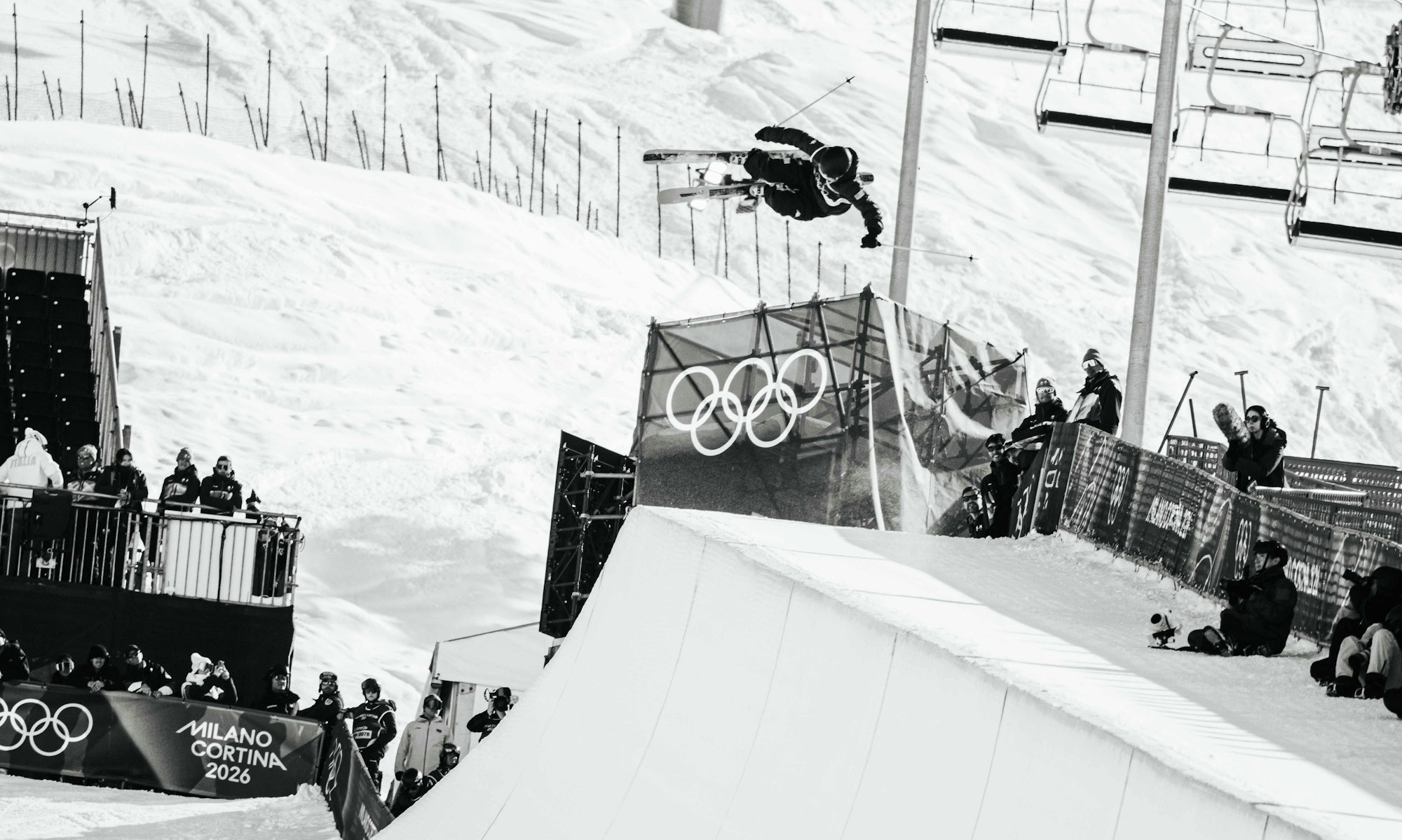
Skier: Svea Irving
Atkin had the final drop. She went higher than anyone else on her opening 540 and added a switch 900 on the last hit, diversifying her run in an attempt to close the gap. Her 92.50 secured bronze, but it wasn’t enough to catch Gu, who had pulled away a run earlier.
When the final scores settled, Gu stood alone in first, successfully defending her Olympic title and becoming the most decorated freeskier in Olympic history, with medals in every freeski discipline. Li’s silver marked a breakthrough in technical progression, and Atkin’s bronze confirmed her place among the most consistent competitors in the sport.
It was a final defined by progression, adaptability, and the undeniable presence of a once-in-a-generation athlete. On a perfect morning in Livigno, the rest of the field was chasing history, and Eileen Gu was the one writing it.