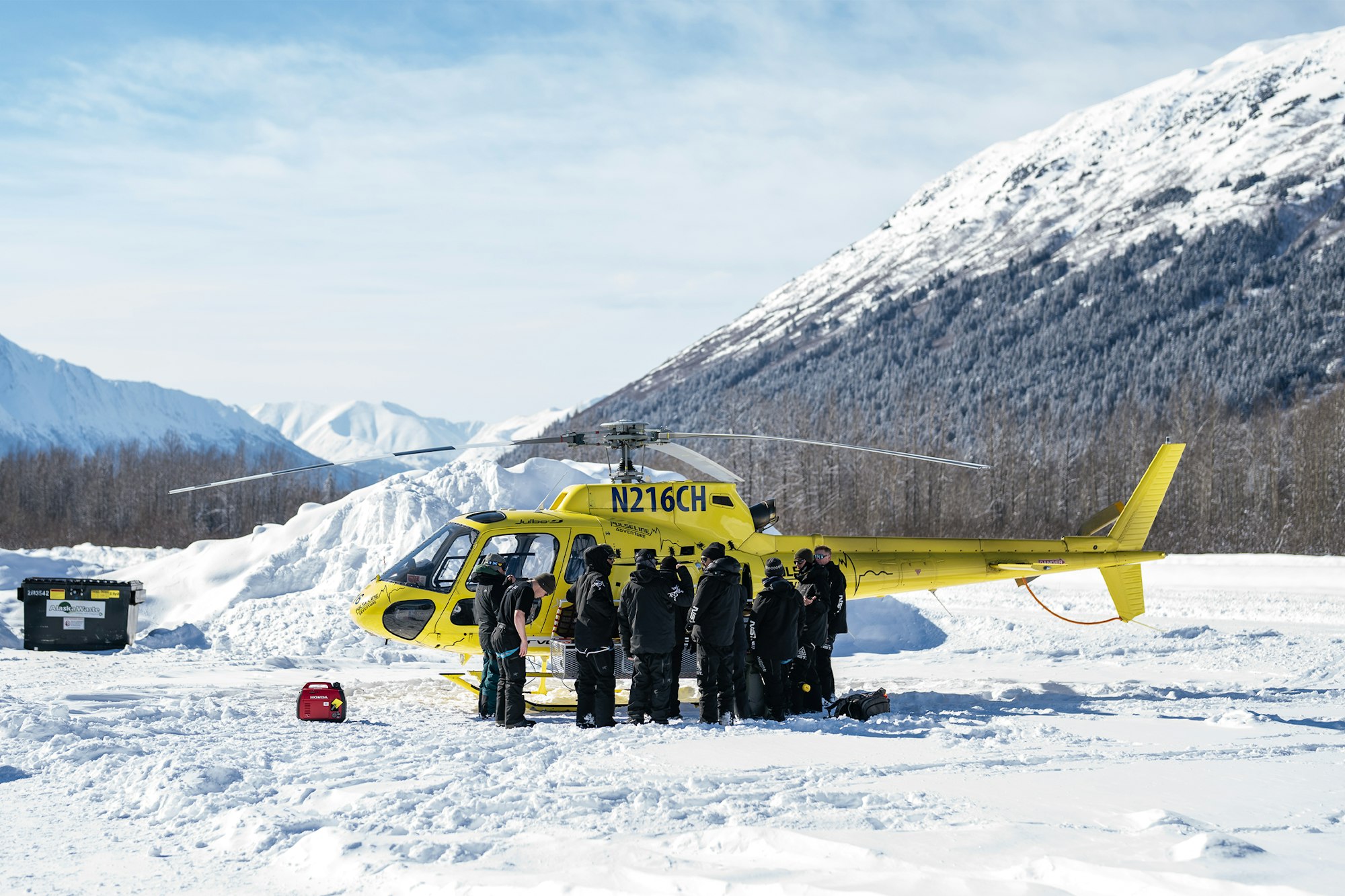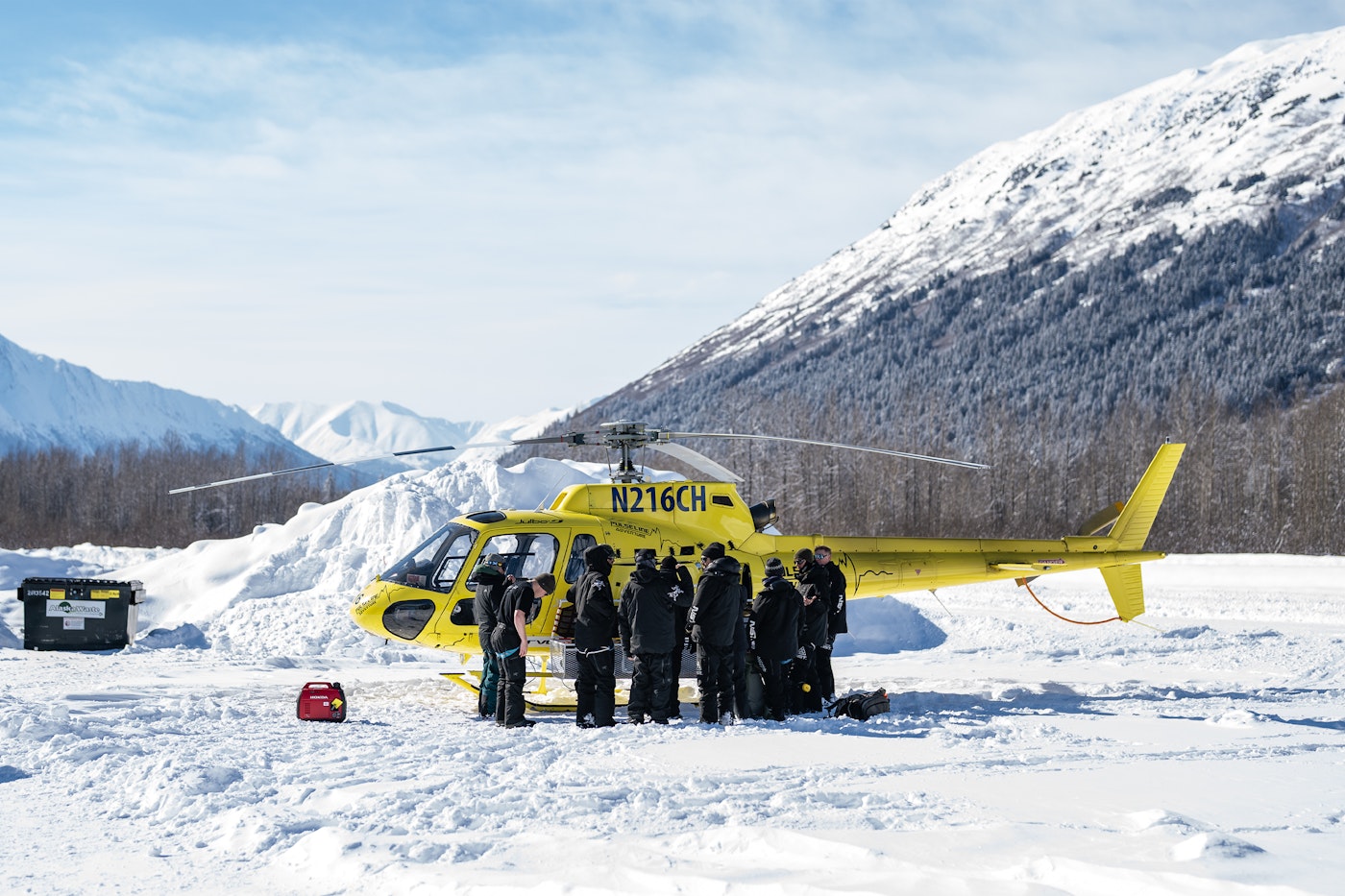
Featured Image: Natural Selection, Chad Cholmack
I'll start by stating that I'm not a filmer. I've never been on a big-budget shoot. I've never color graded RED footage. My camera experience starts with a Sony A7iii and ends with GoPro or iPhone clips. Like most of us, my real qualification in this field is that I've been consuming ski movies since middle school and want to see the sport and culture thrive for decades to come. That is to say, I have no real qualifications. I'm going to make this point anyway.
I recently watched a great video from 4FRNT in which the switch-stomp king, Thayne Rich, sat down with Jake Doan to chat about his debut with Level 1 in the fantastic film, " Pleasure ," which was released almost a decade ago, if you can believe that. The story of Rich's voyage from living in a trailer to snagging a spot in the heli with freeskiing's foremost production company is a great one, so I highly recommend watching the full video.
I bring this up not to give Thayner his flowers, though well deserved. Rather, what caught my attention were the angles that cinematographer Freedle Coty chose to snipe with his camera as he dangled, doors off, out of the heli. The movement was sparse, the faces were in full frame, the panning was gentle, and the gravity of the terrain was tangible.
Of course, there are countless other examples of this expert craftsmanship. Teton Gravity Research and Matchstick Productions have both released segment upon segment in which shooting out of a heli was the only way to capture the riding in full form. There is an undeniable art to properly capturing a human hauling down a mountain face while you, the filmer, sit strapped into a helicopter humming along thousands of feet off the ground.
The heli shot is, by and large, a thing of the past. It's expensive, time-consuming and the introduction of drones has made that process all but obsolete. Accessibility to equipment, innovative techniques, and more ski films with diverse creative perspectives are good things. But did we lose something along the way?
Over the last few years, talented drone operators like Luke Bredar have showcased the impressive capabilities drones bring to the mountains. Though with each passing winter, the shots get tighter, the athletes get closer, but the grand scale of the wilderness drifts out of focus. By no means am I arguing that this new generation of filmmakers isn't talented. Their creativity and proficiency are breathtaking. Still, it's worth pointing out that the goal of the shot is shifting over time.
Aside from the aforementioned "Pleasure" segment, this cut from Level 1's "Small World" is one of many breathtaking park shoots captured via heli
Previously, you couldn't wiz around a skier on a spine from above. So, as the audience, we watched from a slight distance as they descended. Drones are now able to bring a camera within feet of a skier as they paint their way down the biggest faces on earth. But this closeness can eliminate a sense of grandeur that was previously required, if for no other reason than equipment limitations. Those limitations, being forced to stay back and shoot from a heli, supplied us with a fantastic feeling - we are just a small part of the whole picture.
This idea is something everyone who has ever stood on a ridgeline in the dead of winter and, with a deep breath, examined their surroundings, can relate to. It's undeniably one of the emotions at the core of skiing's attractiveness. And the closer we bring the camera, the more we lose touch with that sense of scale and appreciation. There are obivous exceptions, one being the recent 2026 Natural Selection Ski finals event in Alaska, which featured numerous wide view shots of skiers, all of which catpured by drone.
This overly specific thought experiment boils down to whether technology dictates the outcomes of art and culture. Do we have to shoot close and fast simply because technology allows for it? Should we use AI to write our emails just because it's an option? Do we have to cater our expression to the tools we have, or should the tools cater to our creative decision?
In skiing and beyond, we're currently being swarmed with concepts that are "mandatory." Use this thing, film this way, make your art snappy and digestible, cater to this audience, and so on. Don't fall into that trap. If someone like Bredar shoots close to the skier because that's the artist's choice, that's beautiful. More power to you as the creator. Drones are not bad. New technology is not bad.
The bottom line is that our films and our skiing should dictate trends. Trends and technology should not solely dictate the types of films or the kind of skiing we aspire to. It's up to each of us to determine whether we're being true to our own vision.