Featured Image: Rachael Zimmerman
Besides ski boots, goggle lenses are some of the most frustrating pieces of ski gear for many. We’ve all had that moment where you're standing outside your car with a pink and a blue-tinted lens in your hand, looking up at the sky, confused, trying to figure out which lens is the winner for that day. I get it.
Ski lenses are typically categorized into five groups: S0, S1, S2, S3, and S4. Each category has a different visible light transmission (VLT) percentage. VLT is the percentage of light that travels through your lens to your eye. So this can range from completely clear lenses to very dark lenses. Here is the breakdown of each category's VLT and what that means.
Lens categories
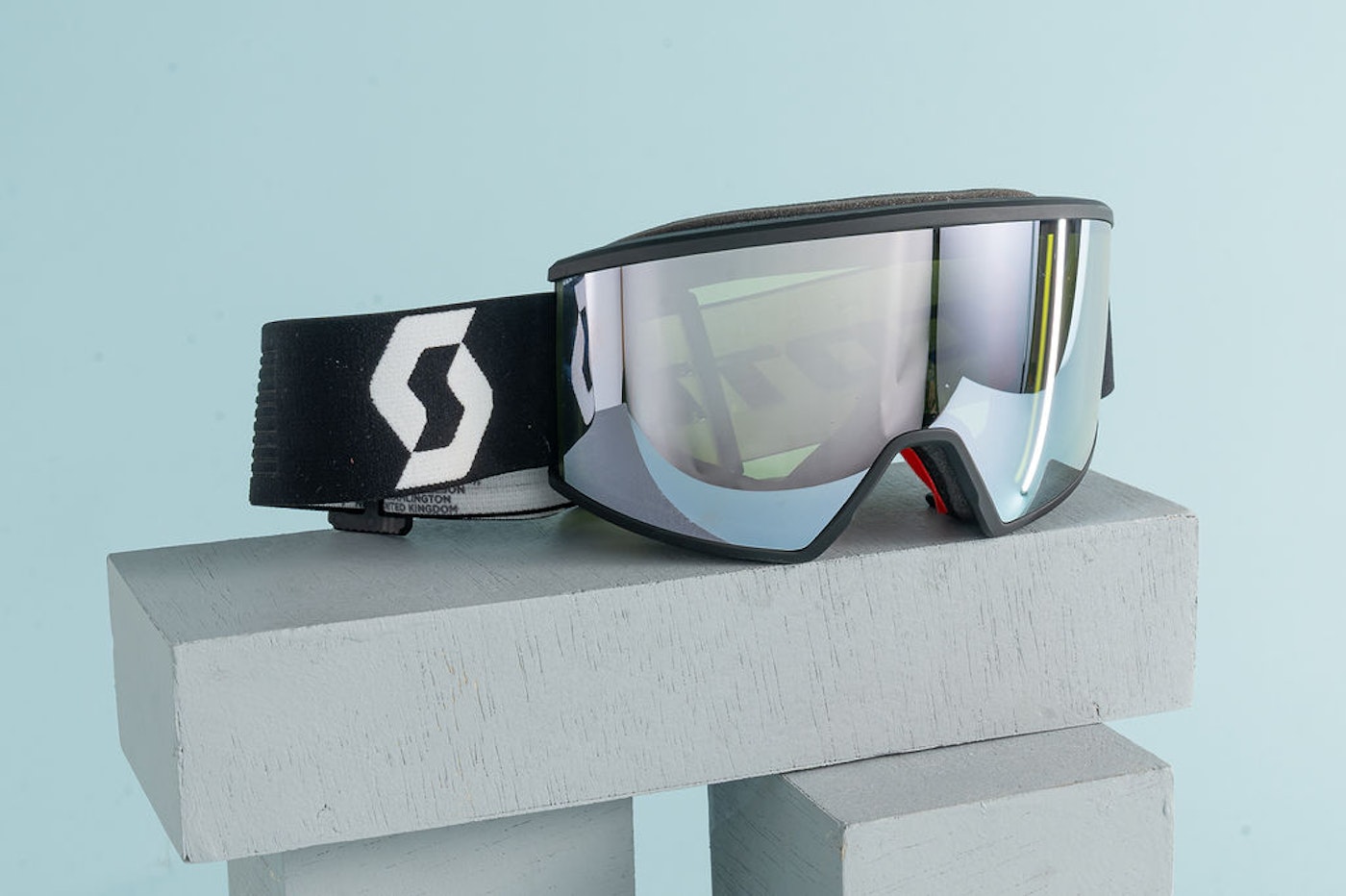
Image: Travis Cocklin
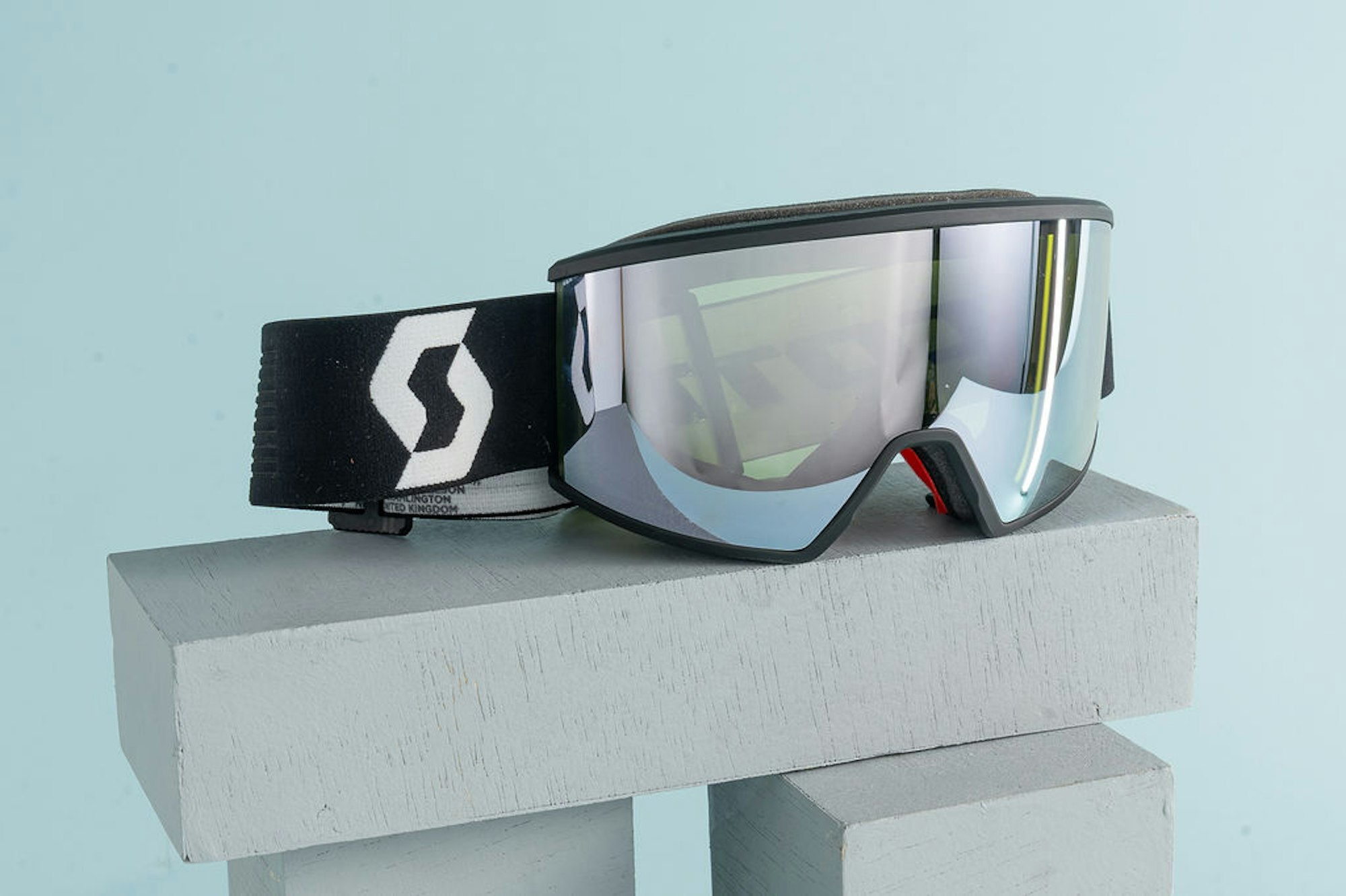
Image: Travis Cocklin
Category S0 (VLT 80%-100%)
These lenses are typically clear and used for night skiing, as they have the highest VLT, allowing the most light in.
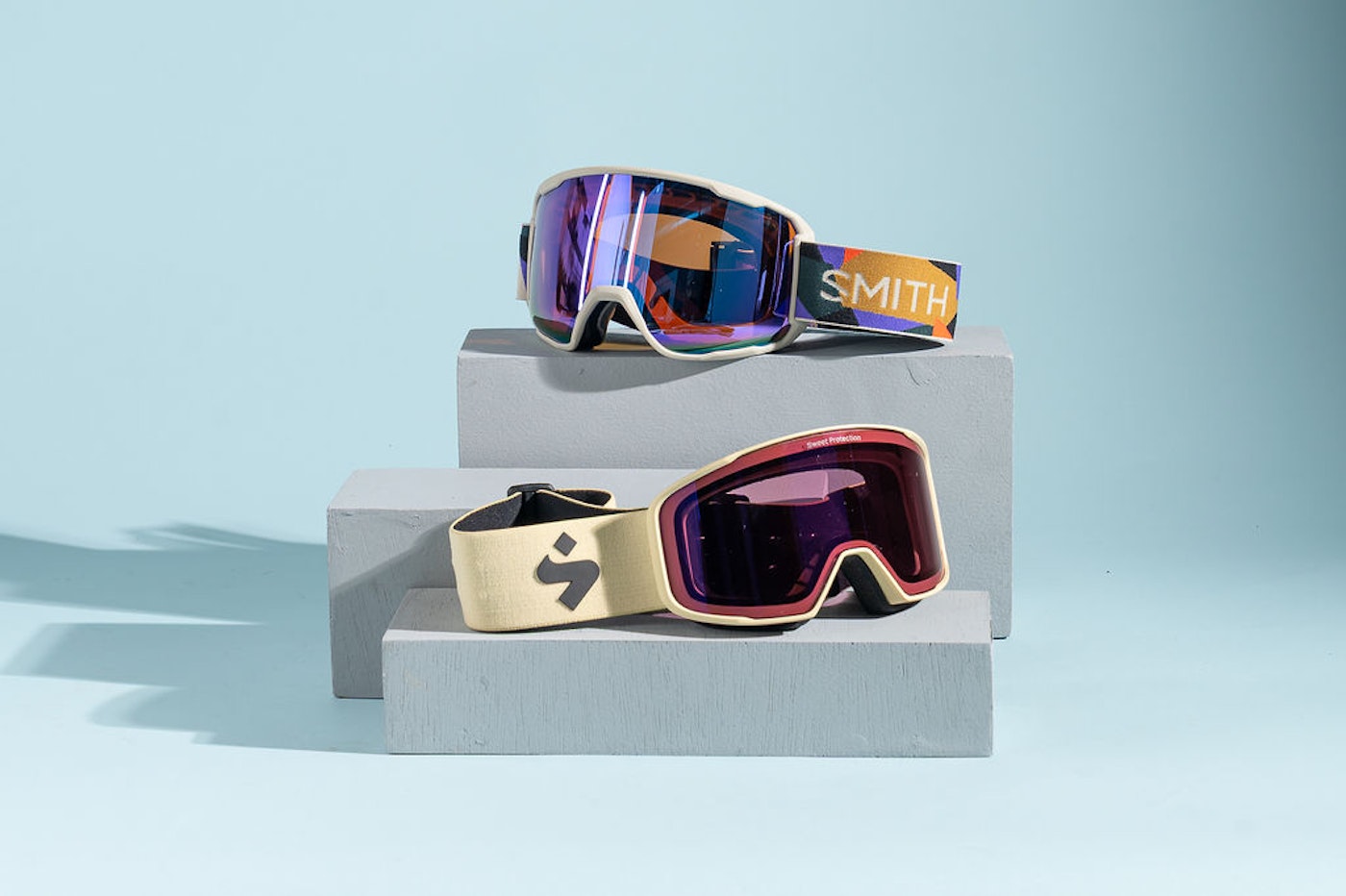
Image: Travis Cocklin
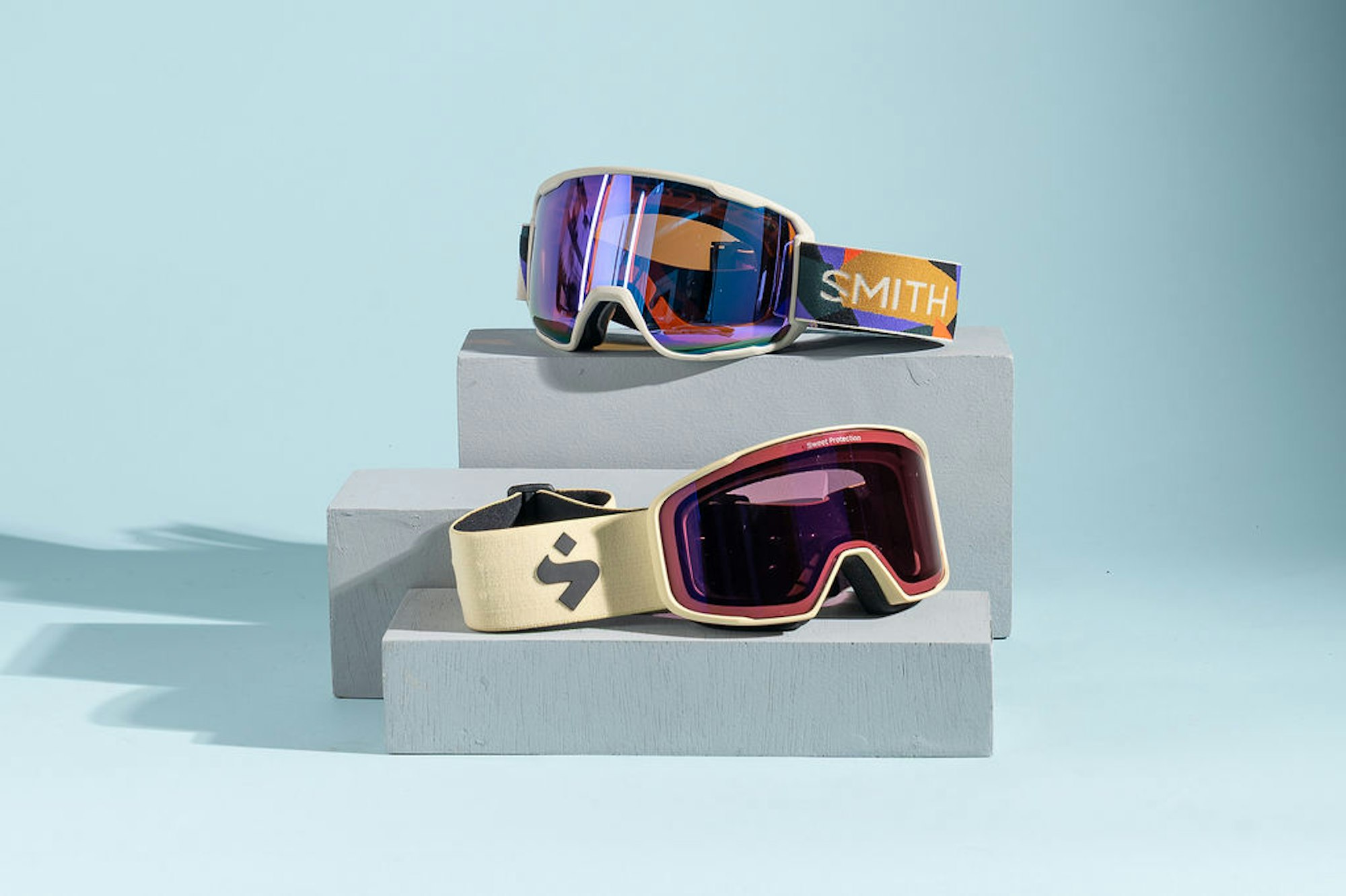
Image: Travis Cocklin
Category S1 (VLT 43%-80%)
These lenses are typically your rose-colored lenses with some yellow tint. They are used for stormy, cloudy, or foggy days, as they are higher up on the VLT scale, but don’t let in all the light.
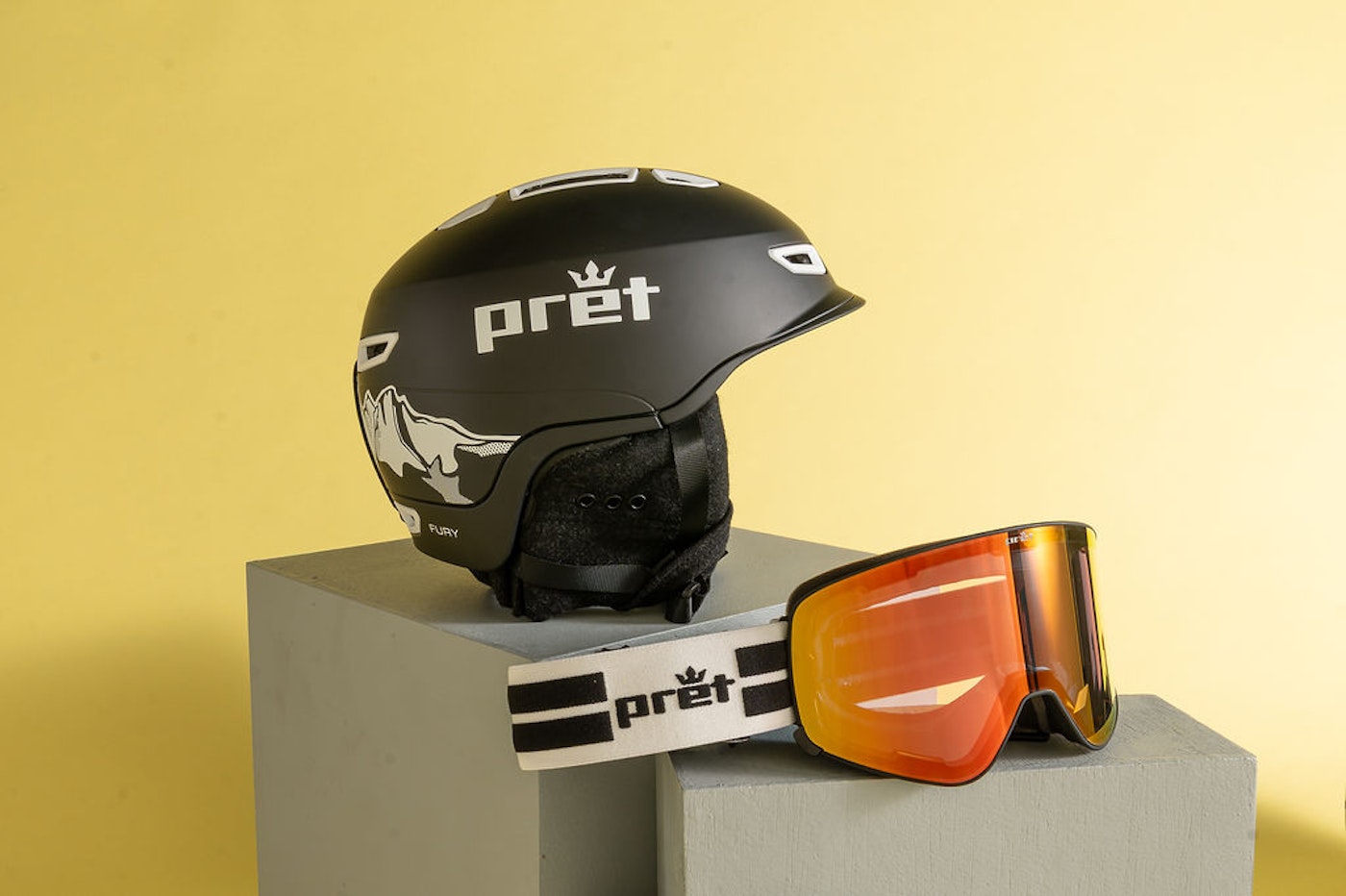
Image: Travis Cocklin
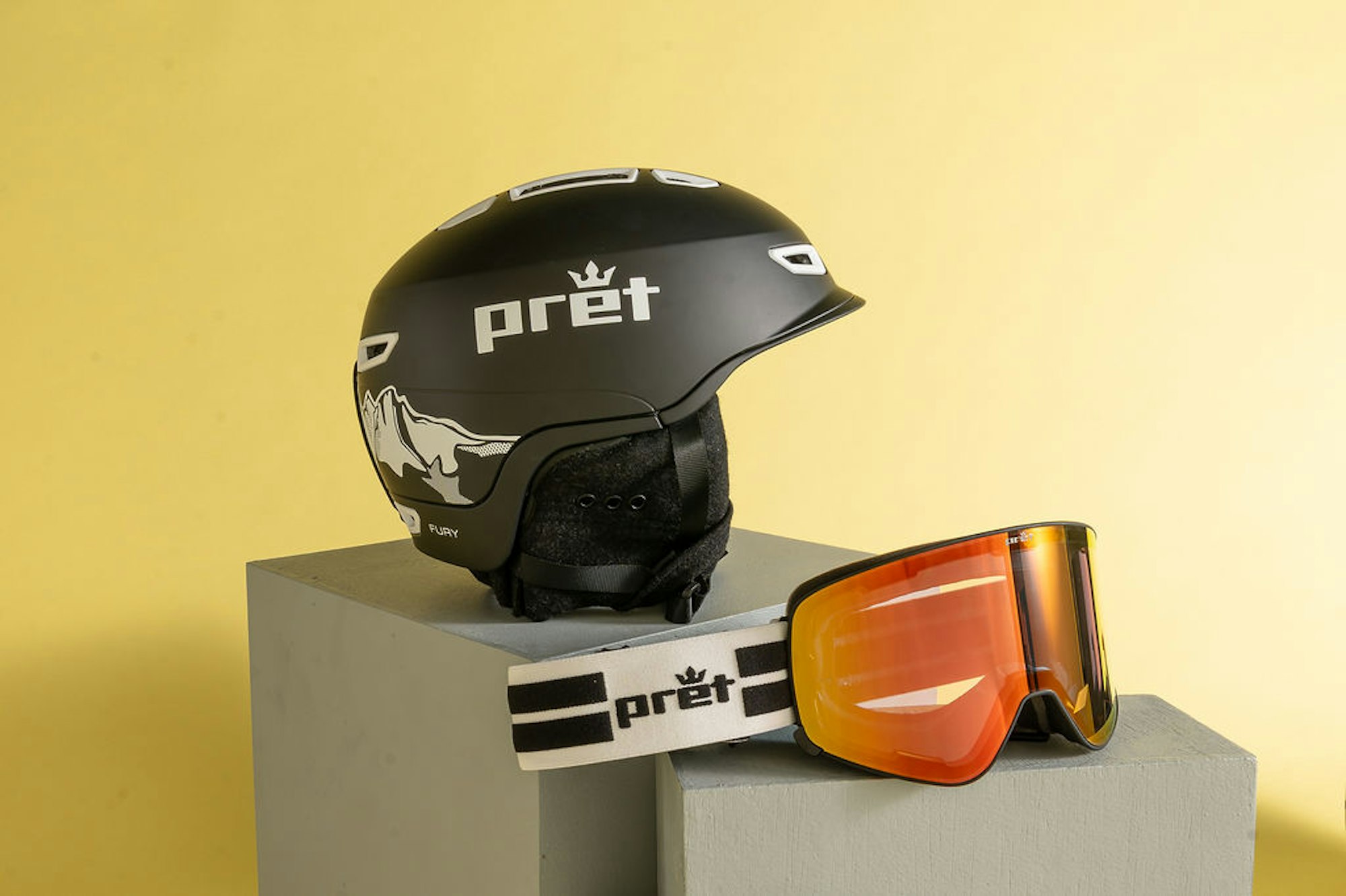
Image: Travis Cocklin
Category S2 (VLT 18%-43%)
These lenses are considered the “all-condition lenses” because they are good for partly cloudy days that aren’t too bright or too dark. Typically, you’ll find these lenses tinted blue, green, or red.
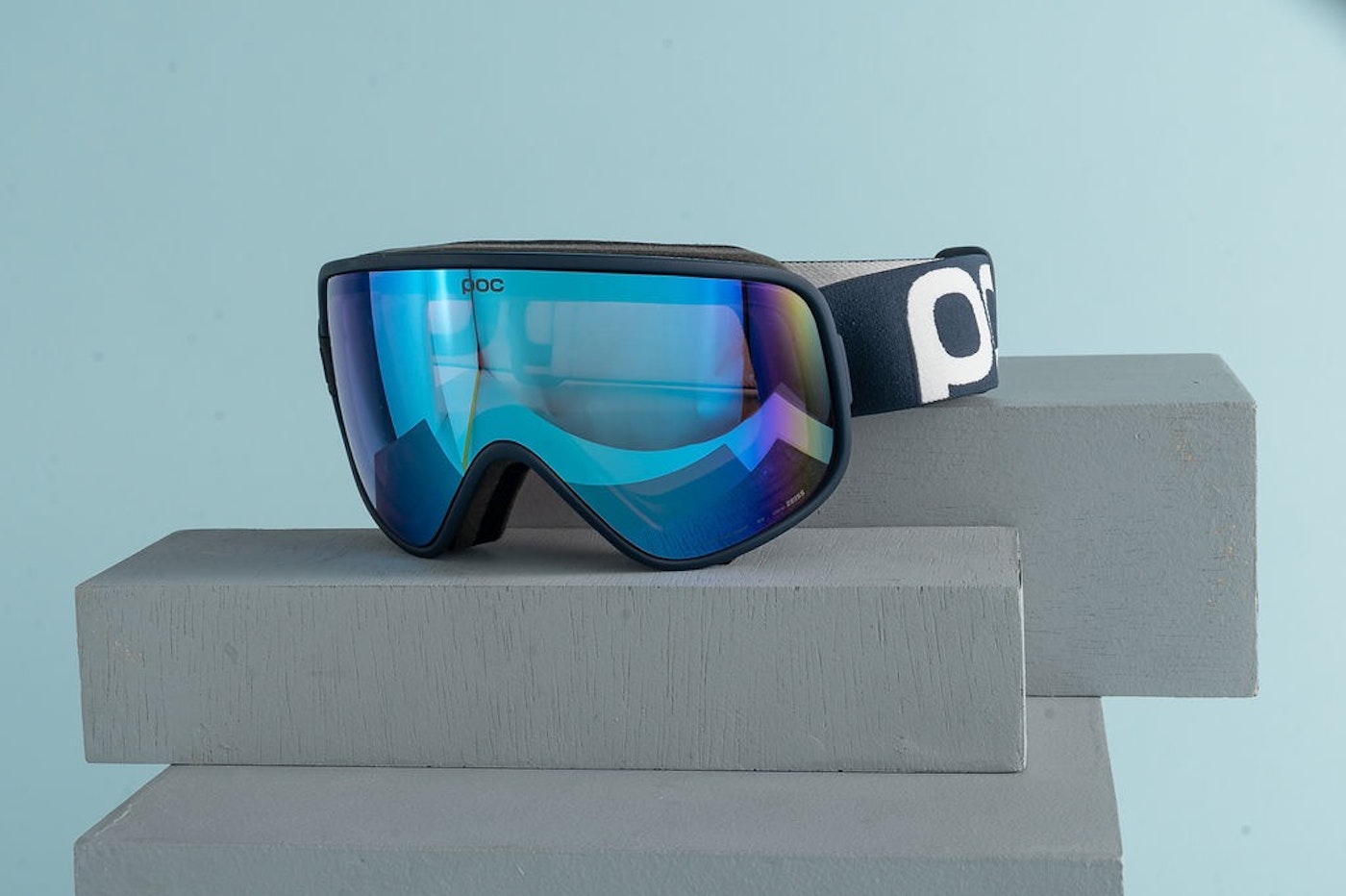
Image: Travis Cocklin
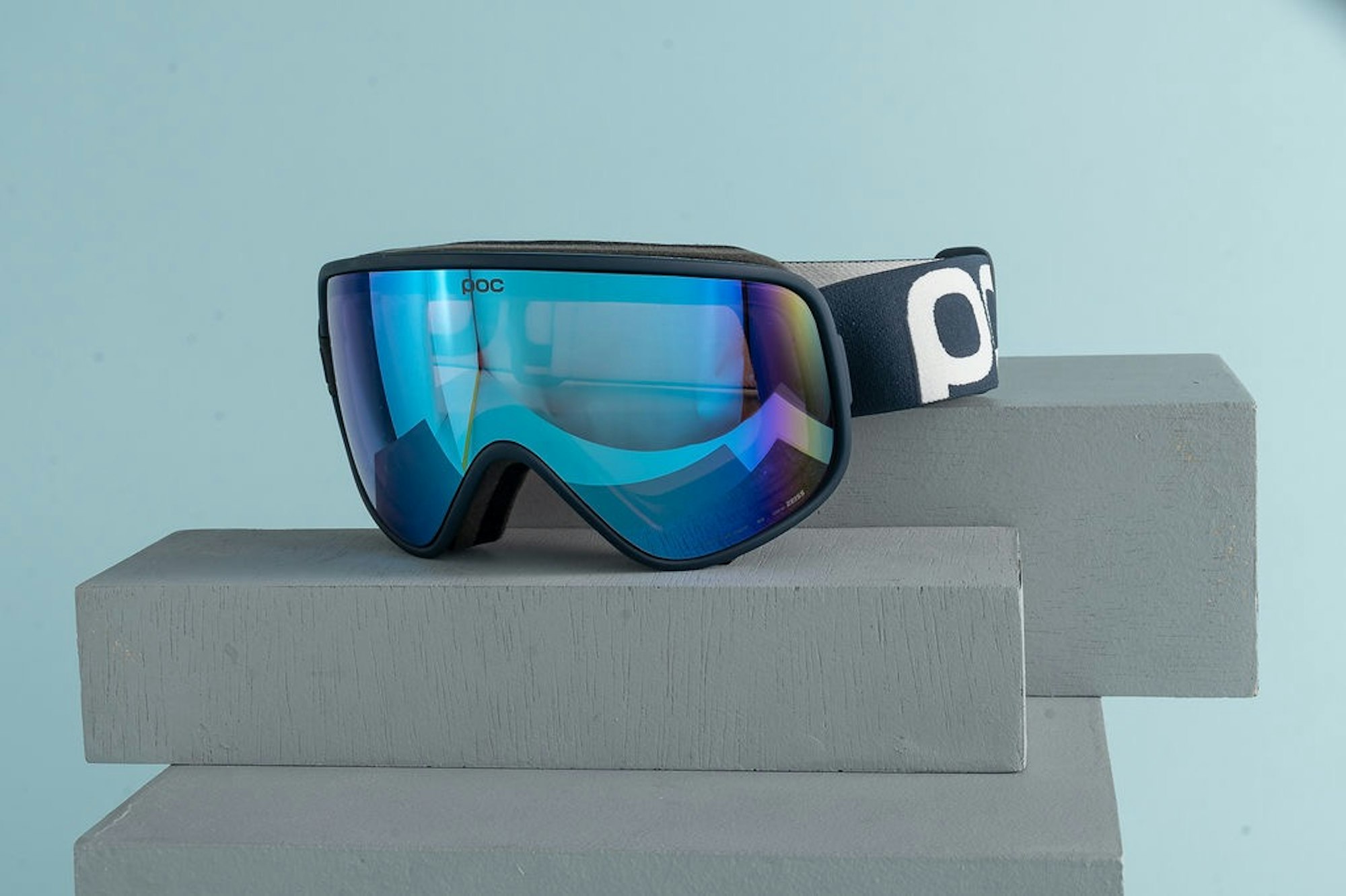
Image: Travis Cocklin
Category S3 (VLT 8%-18%)
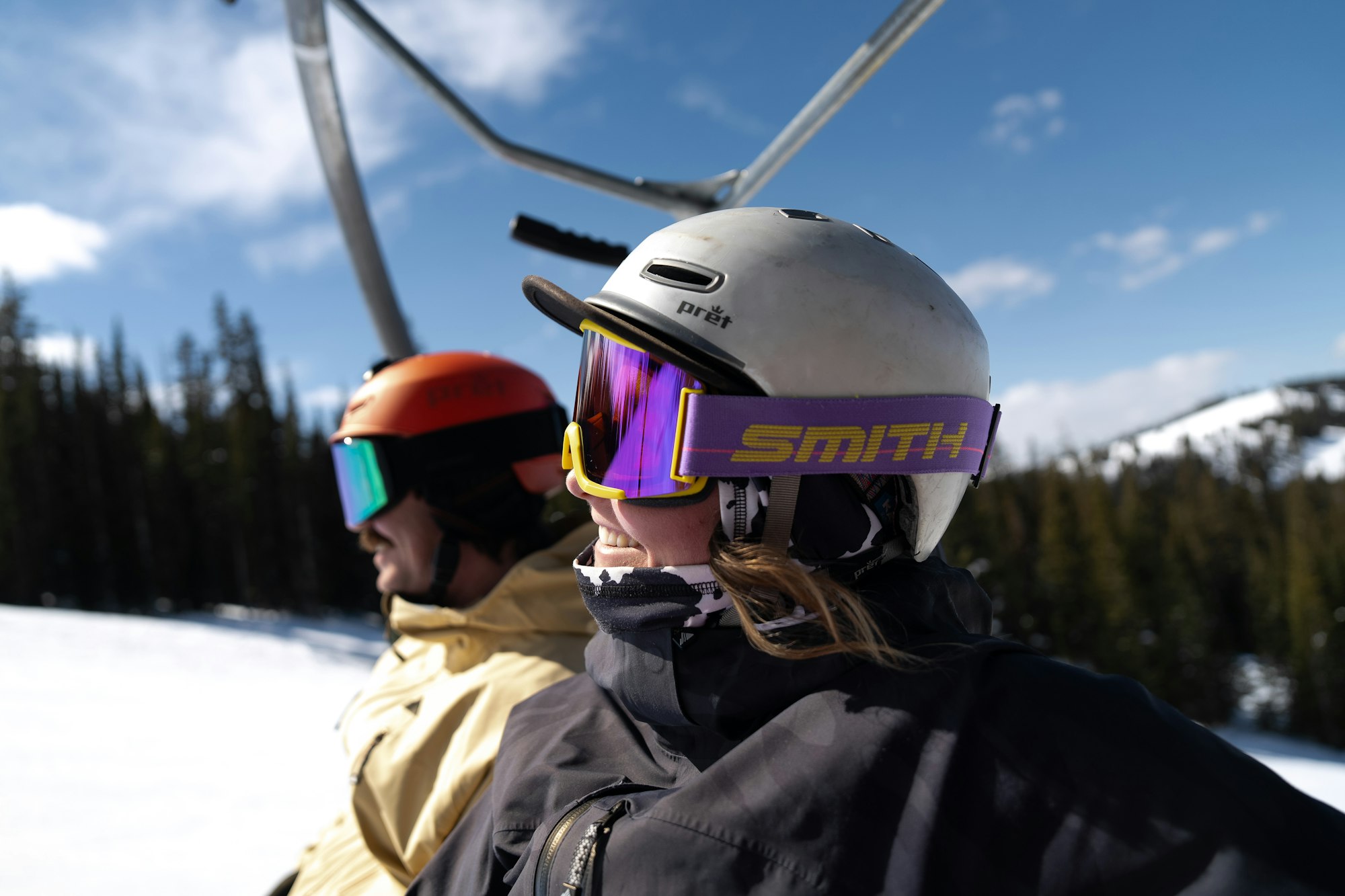
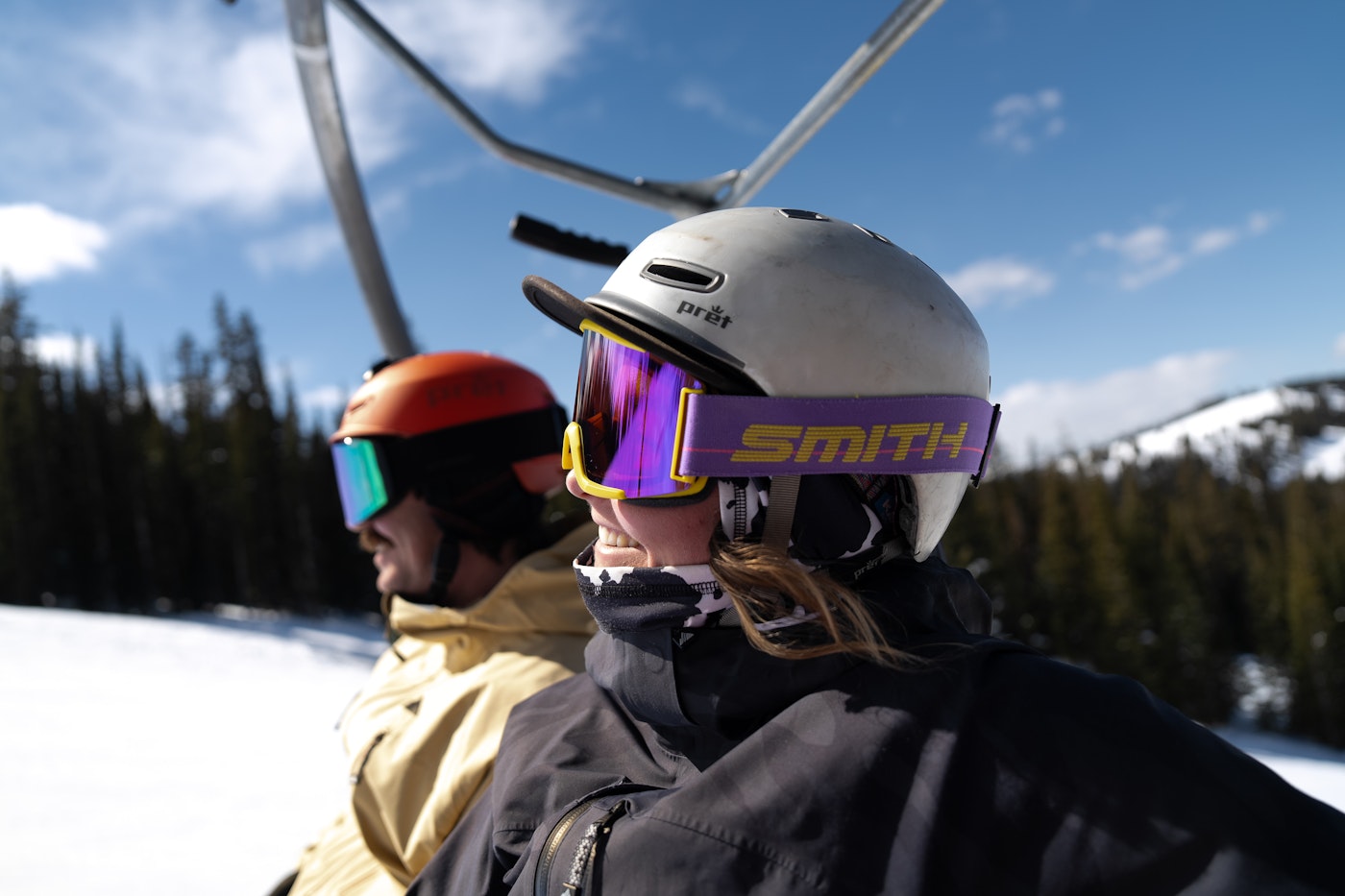
These lenses are for those brighter bluebird or spring skiing days, as they have a lower VLT, allowing less light to come through the lens. Like S2, these lenses are available in darker green, blue, orange, and red, and some even have silver and gold tints.

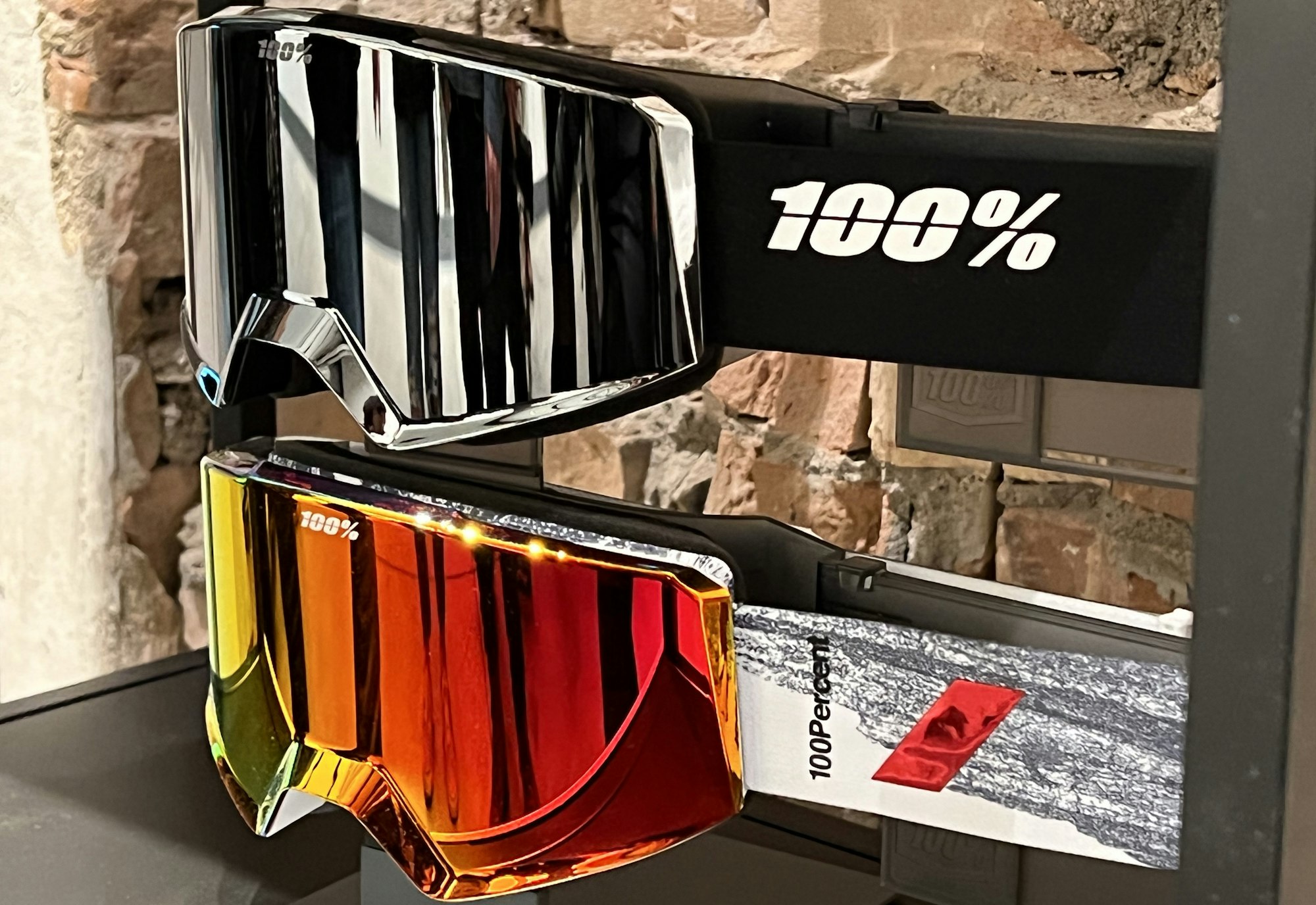
Category S4 (VLT 0%-8%)
Given that these glasses have extreme VLT percentages, they are made for extreme skiing conditions, such as glacier or high-alpine skiing. Many of those famous skiers that you see dropping from the tops of peaks in Alaska are probably wearing these lenses, as they let the least amount of light through. These lenses are available in black or red tints.
Photochromic v.s. Interchangeable
Ski brands that provide two lenses with a pair of goggles usually offer a low-index (S0-S1) and a high-index (S2-S3) lens. Since we’ve broken it down, you now know that low-index lenses are for cloudier days, and high-index lenses are for sunnier or “all conditions” days.
As we all know, conditions in the mountains are very unpredictable, and a bluebird day can turn into a whiteout in a matter of hours. So, instead of running to your car or frantically trying to change your lens, a photochromic lens is a great option, as it adjusts to different lighting and conditions. The ski goggle brand Glade has received high praise for making a reliable photochromic lens. But, there are pros and cons to both.
Photochromic lens
Pros
-
Convenient (Provides a hassle-free process as they adjust to conditions on their own).
-
Versatile (Has the ability to adjust to multiple conditions).
-
Protection (Provide constant protection against UV rays).
Cons
-
Limited range (Photochromic lenses can only adjust so much to different conditions).
-
Lifespan (generally shorter than traditional lenses).
-
Temperature delays (when worn in extreme temperatures, such as below 0 degrees, these lenses can fail to adjust properly).
Interchangeable lens
Pros
-
Optimal precision (Lenses are highly specialized for certain conditions).
-
Longer lifespan (No chemical transition technology, so they last longer).
-
Cost-effective (Usually are the more budget-friendly option).
Cons
-
Inconvenience (You have to physically change the lens and carry a spare).
-
Caught off guard (You are more likely to get caught off guard when the weather changes, especially if you are not carrying the extra pair with you).
-
Damage risk (Handling fragile equipment like a lens in mountain conditions can heighten the risk for damage).
Ultimately, though, the decision is up to you, and everyone has their preferences on whether they want convenience or precision. Hopefully, this helped you understand ski lenses a bit more, so now you don’t have to stand outside your car in resort parking lot looking confused.